


When the Final Whistle Changed Everything:
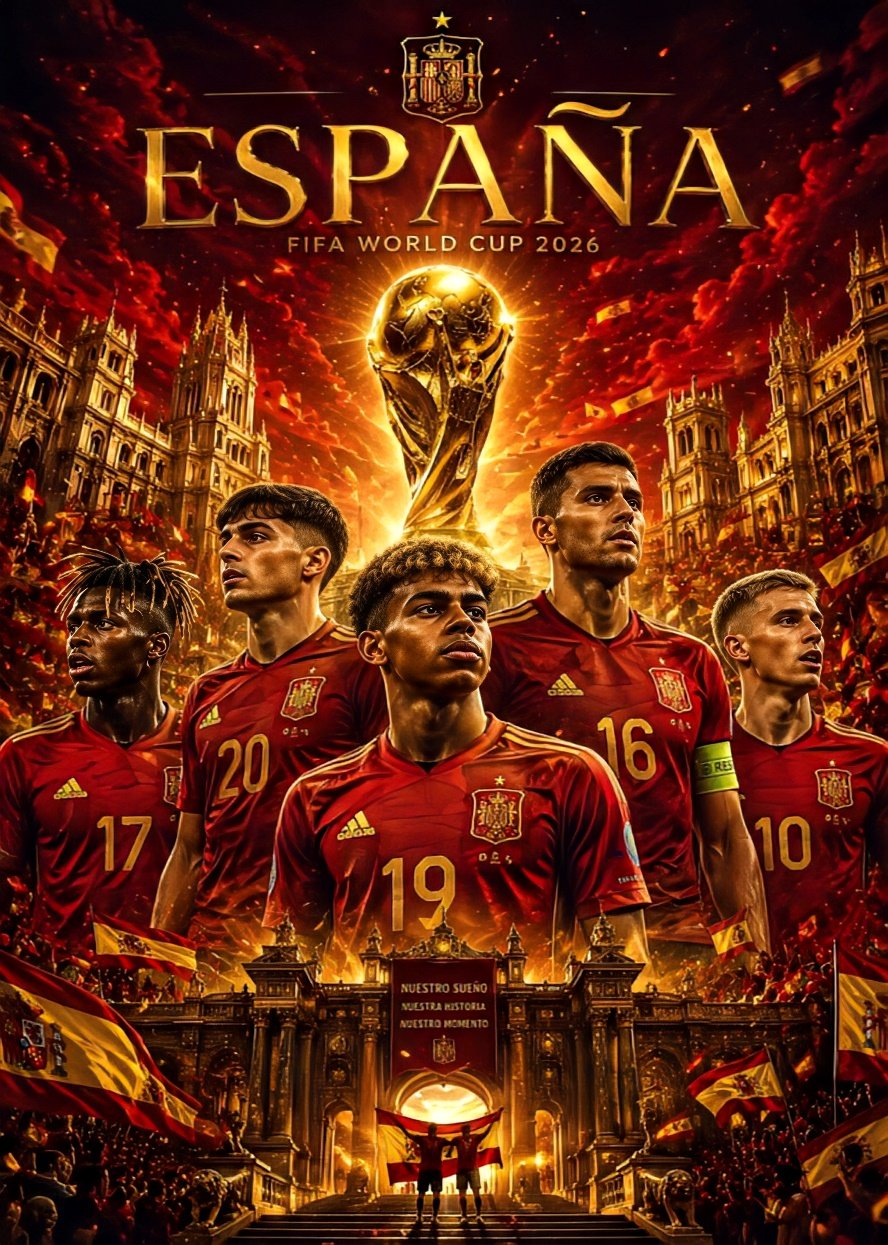
Some World Cups are remembered for iconic goals, others for unforgettable stars. The 2026 FIFA World Cup will be remembered for something greater: the arrival of a new football powerhouse. After nearly a month of drama, surprises and unforgettable nights across North America, Spain lifted the trophy once again, defeating defending champions Argentina 1–0 after extra time. Ferran Torres’ decisive goal in the 106th minute crowned a team that had been the tournament’s most complete side from start to finish.
Spain didn’t simply win the World Cup they convinced the footballing world that they were the best team in it.
La Roja’s Road to Glory:
Champions are often judged by the opponents they overcome, and Spain’s toughest examination arrived in the semi-finals against France.
Many considered France the strongest team left in the tournament. With Kylian Mbappé leading an explosive attack, they had looked every bit like favourites. Yet Spain produced one of their finest performances, defeating France 2–0 through disciplined defending, relentless pressing and clinical finishing. Rather than allowing France’s pace to dictate the game, La Roja controlled possession, slowed the tempo and struck at the right moments. It was the performance that convinced many observers that Spain were destined to become world champions.
The final demanded something different.
Argentina arrived carrying the confidence of defending champions and the experience of a squad that had repeatedly found ways to survive under pressure. Spain remained patient, dominated possession and continued searching for the breakthrough. When Ferran Torres finally found the net in extra time, it felt less like a lucky moment and more like the reward for a month of consistently outstanding football.
Argentina Refused to Let Go:
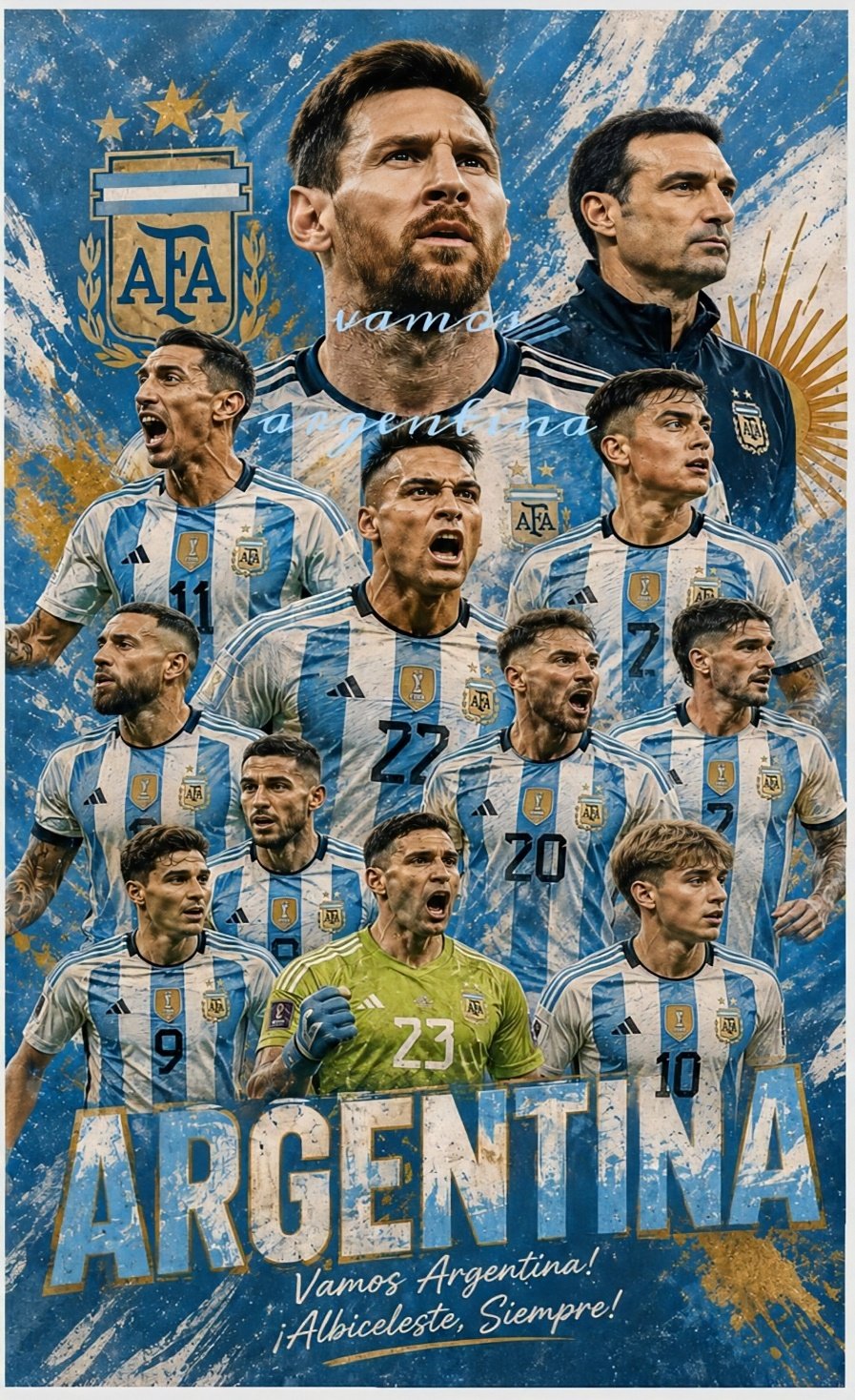
If Spain represented control, Argentina represented resilience.
Lionel Scaloni’s side rarely enjoyed comfortable victories. Their semi-final against England perfectly reflected their tournament. England appeared in control for much of the contest after taking the lead, but Argentina refused to panic. As they had done throughout the tournament, they trusted their experience, gradually shifted the momentum and punished England late to book another World Cup final. It was another reminder that champions are often defined not by perfection, but by their refusal to surrender.
Although they fell one step short of defending their title, Argentina once again demonstrated why they remain one of international football’s great powers.
The End of One Era, The Rise of Another:
Every World Cup marks the passing of time.
For Lionel Messi, Cristiano Ronaldo and Neymar, this tournament carried enormous emotional weight. It represented the closing chapters of careers that have shaped football for nearly two decades.
At the same time, a new generation announced itself.
Lamine Yamal continued his remarkable rise, becoming one of Spain’s defining players. Alongside him, young stars across the tournament showed that football’s future has already arrived. The spotlight that once belonged entirely to Messi and Ronaldo is gradually shifting toward a generation ready to create its own history.That transition may ultimately become the defining image of the 2026 World Cup.
More Than a Champion:
Spain leave North America with the trophy, but the tournament offered far more than a single winner.
The expanded 48-team format introduced fresh stories, emerging football nations challenged traditional powers, and the knockout rounds delivered the kind of tension that only the World Cup can produce. Every stage reminded supporters why this competition remains football’s greatest spectacle.
When the final whistle blew in New Jersey, Spain were deservedly crowned world champions. But the tournament’s lasting legacy goes beyond one medal. It celebrated football’s ability to renew itself—to honour its legends while welcoming its future.
Viva España. The World Cup belongs to La Roja.
