

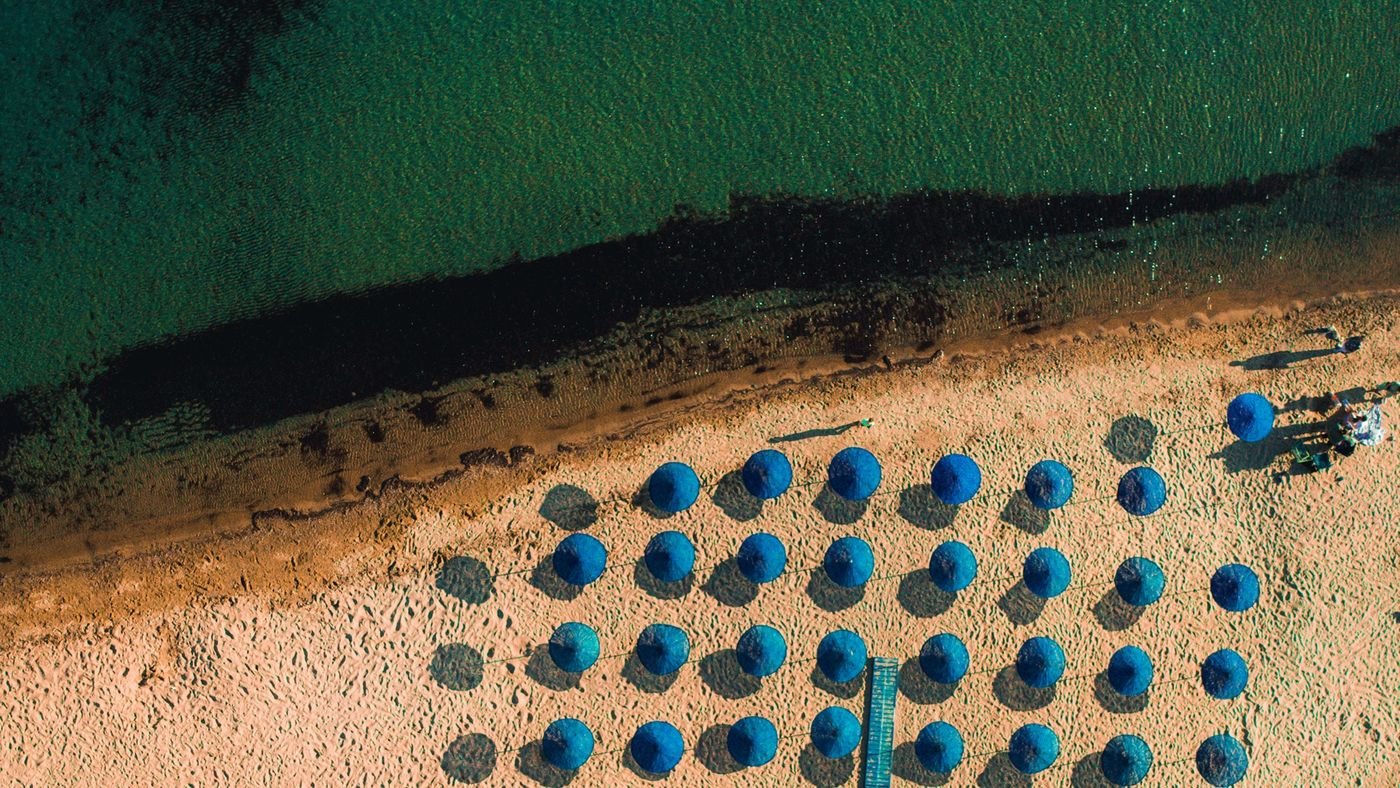

For many travellers, the journey is just as important as the destination. Road trips offer the freedom to travel at your own pace, stop at places that catch your eye and share memorable experiences with family or friends along the way. According to Booking.com’s 2026 Travel Predictions, spontaneity, discovery and shared experiences are increasingly shaping the way people approach road travel.
Türkiye is particularly well suited to a road trip, with landscapes that change dramatically from one region to another. Ancient cities, picturesque villages, coastal towns, local markets and regional cuisine can all become part of the journey. The country’s Aegean coast is especially appealing, bringing together turquoise waters, historic sites, charming towns and a relaxed coastal lifestyle.
For Pakistani travellers looking to combine sightseeing with a leisurely coastal holiday, the Aegean offers plenty of possibilities. Here are some highlights along the route.
Gallipoli, Troy and Assos: Where History Meets the Aegean
A journey along the Aegean can begin in Çanakkale, where some of Türkiye’s most significant historical sites sit alongside a beautiful coastline.
Begin with Gallipoli, where historic sites and memorials tell the story of the Gallipoli Peninsula and its role in the First World War. From there, continue to the UNESCO-listed ancient city of Troy, where more than 5,000 years of history are preserved across ten archaeological layers. The Troy Museum offers further insight into the ancient city and the discoveries made there.
Continue south to Assos, located in the village of Behramkale. Known for its turquoise waters and refreshing coastal climate, Assos is an ideal place to slow down. Travellers can camp by the sea or stay in a boutique hotel before exploring clear-water coves such as Kadırga Bay.
The Temple of Athena offers sweeping views of the Aegean, while restaurants around the harbour serve fresh fish. Further south, the road passes the Kaz (Ida) Mountains, known for their clean, fresh air. Villages such as Adatepe and Yeşilyurt are worth a stop before continuing towards Ayvalık.
Ayvalık: From Historic Coast to Cunda Island
In Ayvalık, begin with the town’s famous Ayvalık toast before exploring its beaches, including Sarımsaklı and Altınova. The town itself is worth exploring on foot. Its historic streets lead to landmarks such as the Old Bazaar, Ayazma Church and Saatli Mosque. For panoramic views of the Aegean, head to Şeytan Sofrası (Devil’s Table), a popular hilltop viewpoint.
Another highlight is Cunda Island, linked to the mainland by a bridge. The island is known for its seafood restaurants, where visitors can enjoy calamari, shrimp, octopus and papalina — a local sprat fish — alongside an assortment of traditional Turkish mezes.
Çeşme: İzmir’s Popular Coastal Escape
The road continues south towards İzmir, with a possible stop at Bergama to explore its ancient heritage and town centre before reaching the Çeşme Peninsula. Çeşme combines beaches, clear waters, thermal springs and historic attractions such as Çeşme Castle. Nearby Alaçatı is internationally known for kitesurfing, while Urla has become a destination in its own right for food and wine enthusiasts. With vineyards, wine routes and MICHELIN-recognised restaurants, Urla offers farm-to-table dining that highlights the flavours and ingredients of the Aegean region.
Kuşadası: A Summer Escape Near Ephesus
From Urla, continue towards Selçuk and Kuşadası. A stop in Selçuk provides the opportunity to explore the UNESCO-listed ancient city of Ephesus and the picturesque village of Şirince, which has been recognised as a World’s Best Tourism Village by UN Tourism. Further south, Kuşadası is one of Türkiye’s major tourism and cruise destinations, with a range of beaches and secluded coves. Popular options include Ladies Beach (Kadınlar Denizi), Sevgi Beach and the bays of İçmeler, Aydınlık, Kavaklıburun and Karasu within the Dilek Peninsula–Büyük Menderes Delta National Park.
A boat trip offers another way to explore the coastline and reach quieter coves. Towards evening, head to Pigeon Island for sunset. The town also has plenty of dining options, from waterfront seafood restaurants to traditional village eateries serving regional dishes.

Didim: Another Aegean Gem
Leaving Kuşadası, the road continues south to Didim, located between Kuşadası and Bodrum. The area is home to beaches including Altınkum, Sarıkum, Huzur and Akbük, as well as quieter spots such as Cennet, Akvaryum and Saplı Ada. Daily boat tours provide an opportunity to explore these coves from the water.
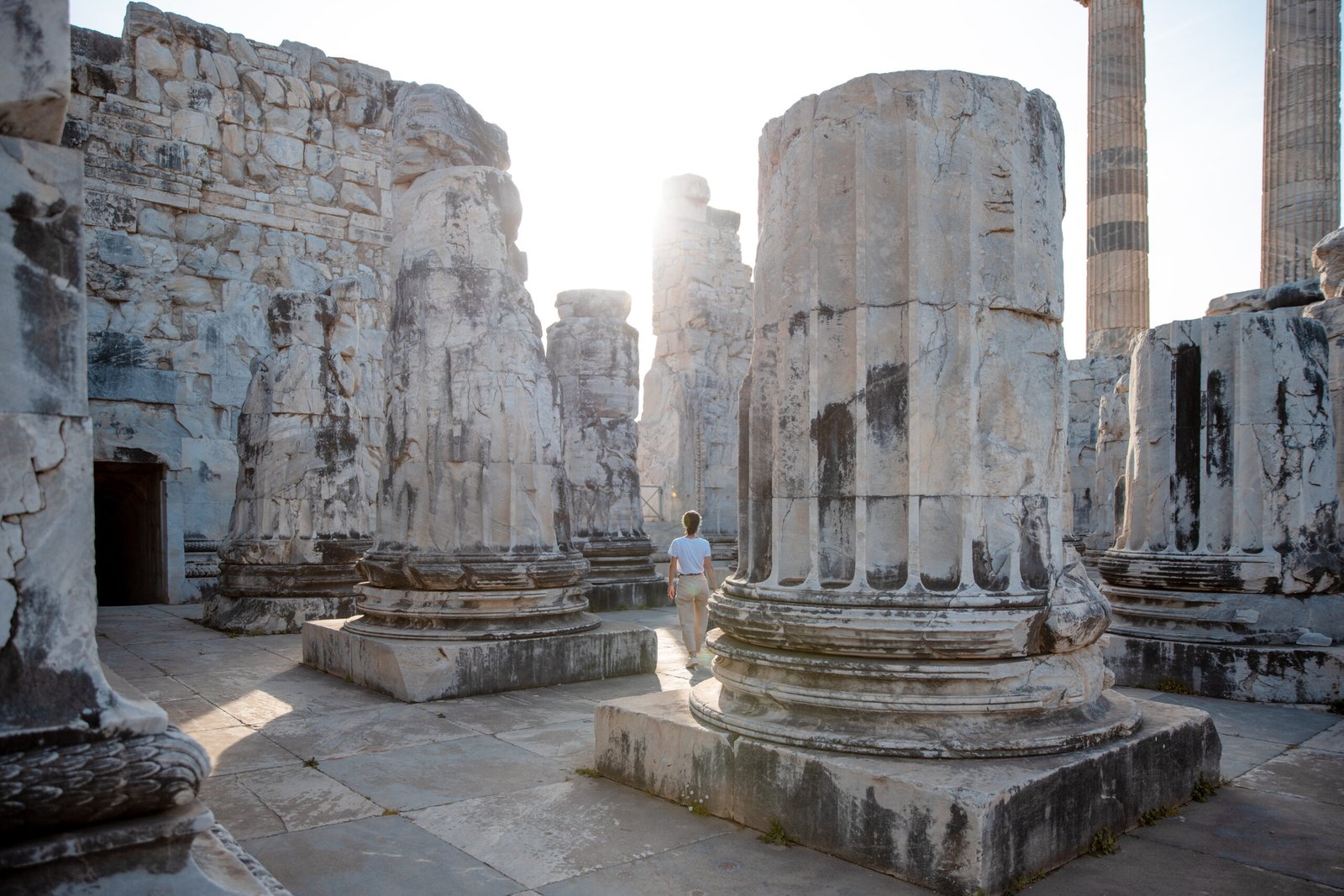
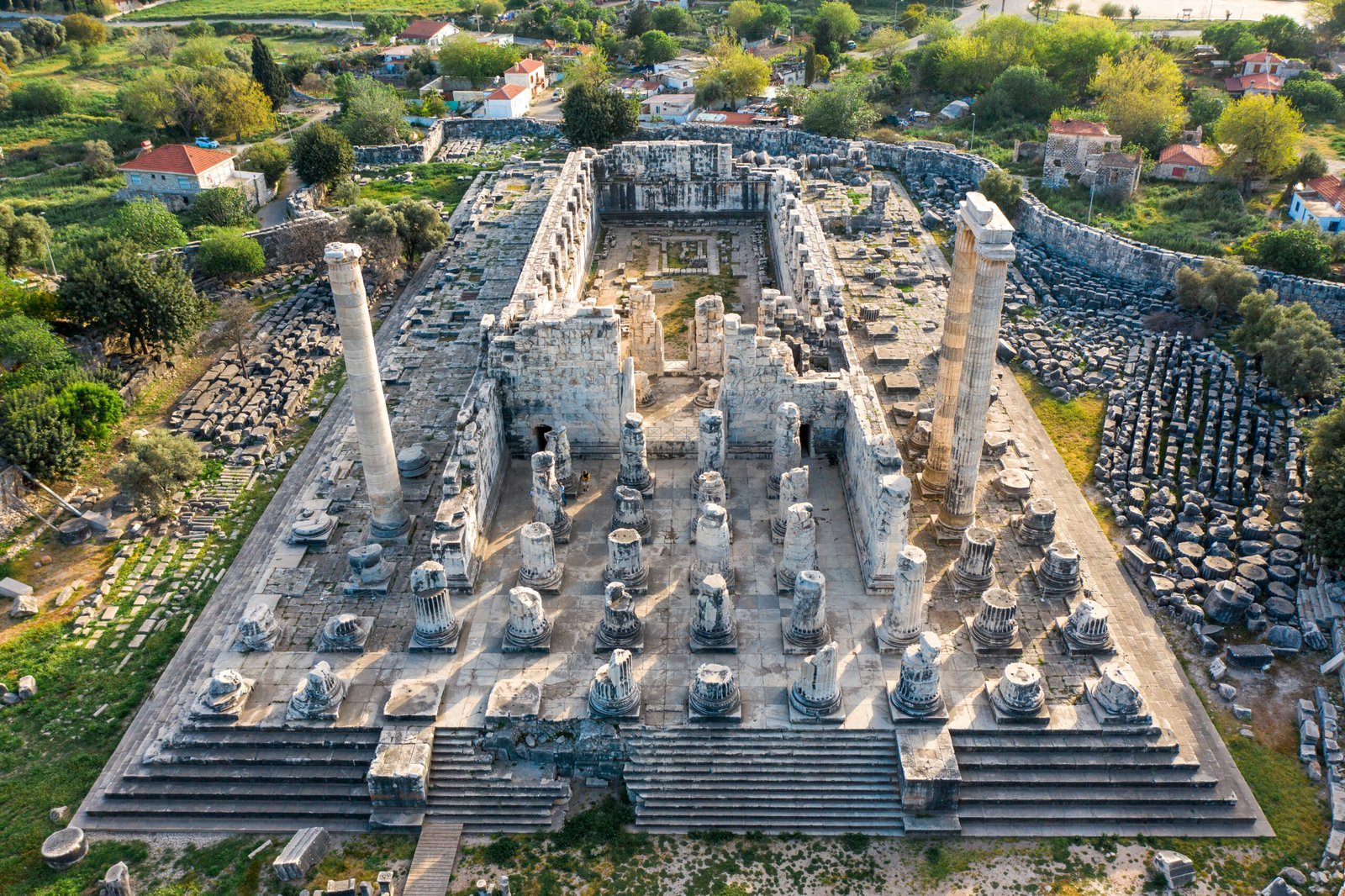
Didim also has an important place in the region’s ancient history. Ancient Didim, or Didyma, was once a sacred sanctuary associated with Miletus. Today, visitors can explore the Temple of Apollo, known for its Ionic columns and stone-carved Medusa relief.
Bodrum: The Road Trip’s Grand Finale
The final stop on the Aegean road trip is Bodrum, one of Türkiye’s best-known coastal destinations. While Bodrum is famous for its luxury hotels, the area also offers campsites, Blue Flag beaches, diving sites and secluded bays that can be explored on a traditional Blue Voyage.
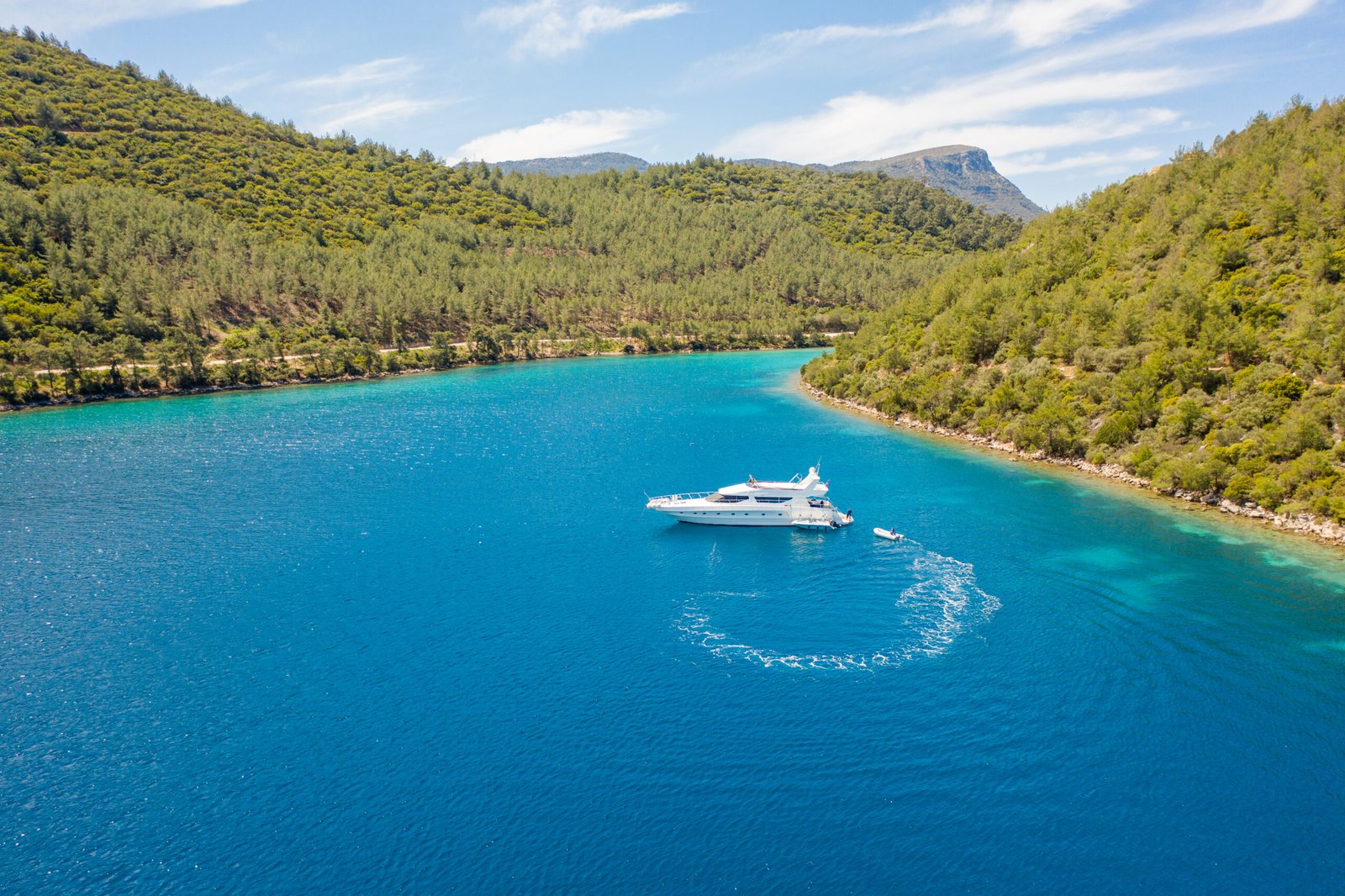
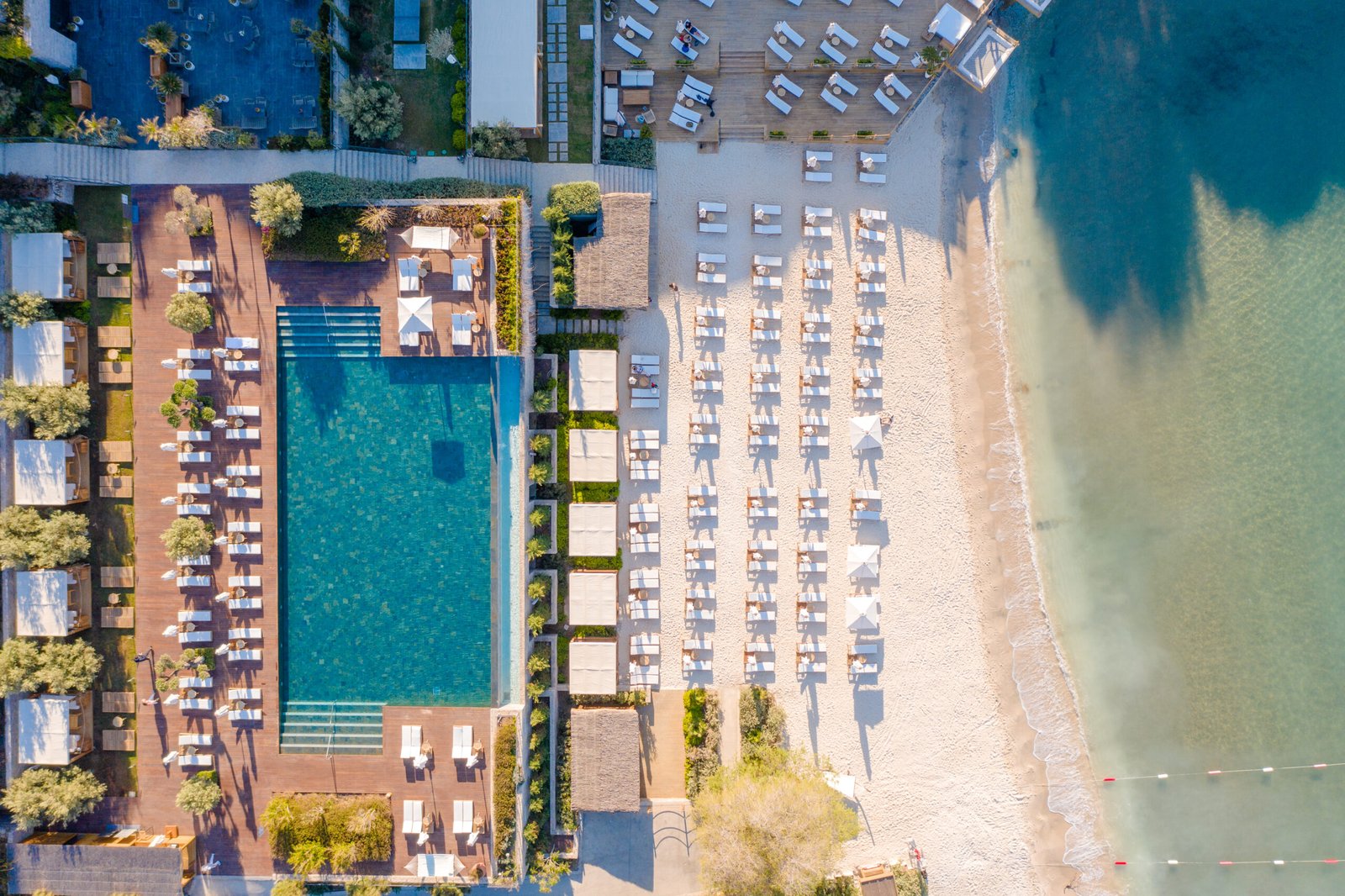
Beyond its beaches, Bodrum has a distinctive character of its own, with whitewashed houses, mandarin orchards and a lively waterfront. History enthusiasts can visit Bodrum Castle and the remains of the Mausoleum of Halicarnassus, one of the Seven Wonders of the Ancient World. Food is another highlight, with MICHELIN-recognised restaurants alongside smaller local establishments serving freshly caught seafood and Aegean specialities.
From the battlefields of Gallipoli and the ruins of Troy to the beaches of Bodrum, the Aegean road offers more than a sequence of destinations. It is a journey through Türkiye’s history, landscapes, cuisine and coastal culture — with plenty of opportunities to leave the main route, make an unplanned stop and discover something along the way.
