

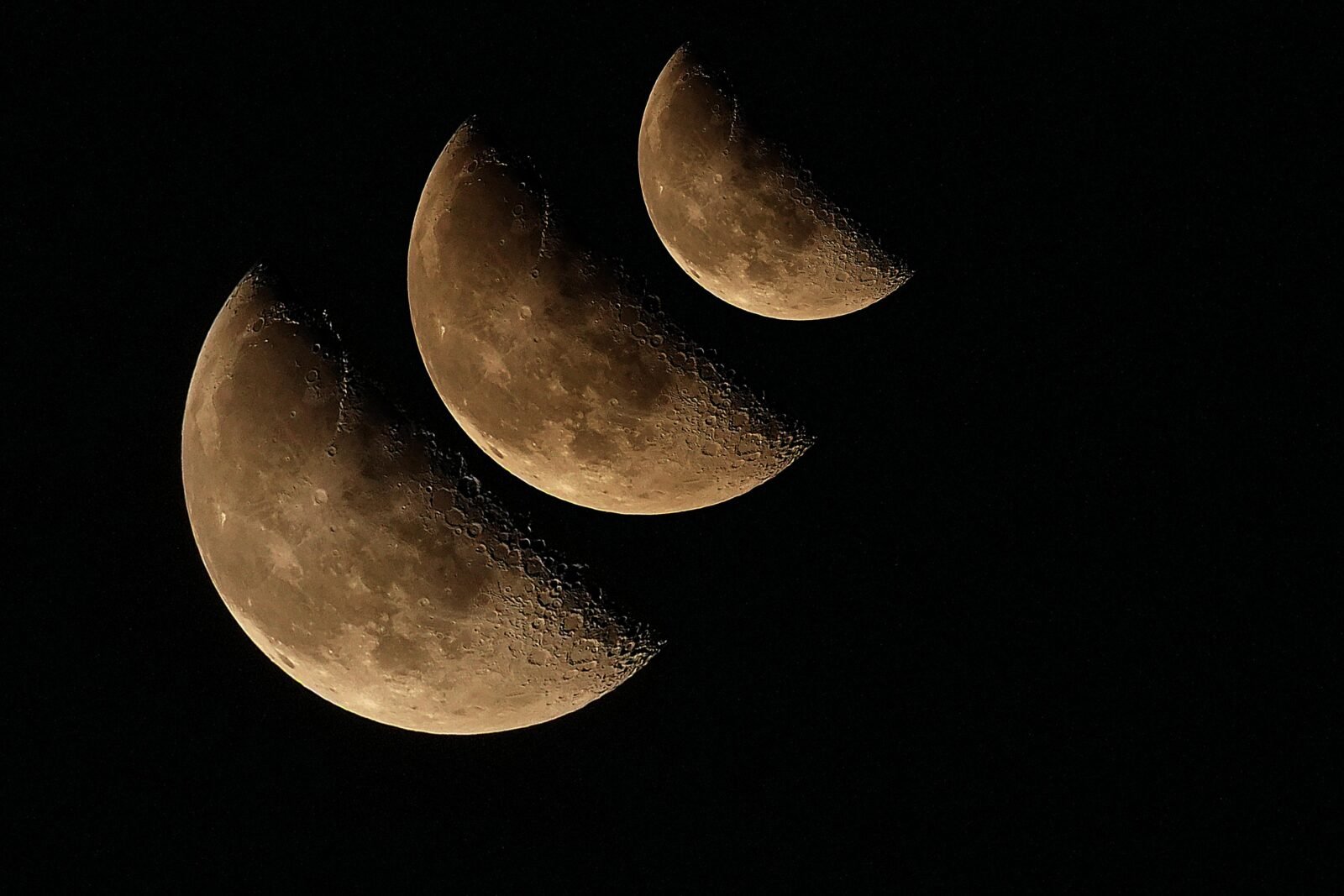

This week, I decided to turn my camera skyward. The city lights were fading, the air was still, and there it was — the moon, hanging like a quiet storyteller above us all. It’s strange how something so distant can feel so personal. No matter how many times we’ve looked at it, the moon always finds a new way to look back.
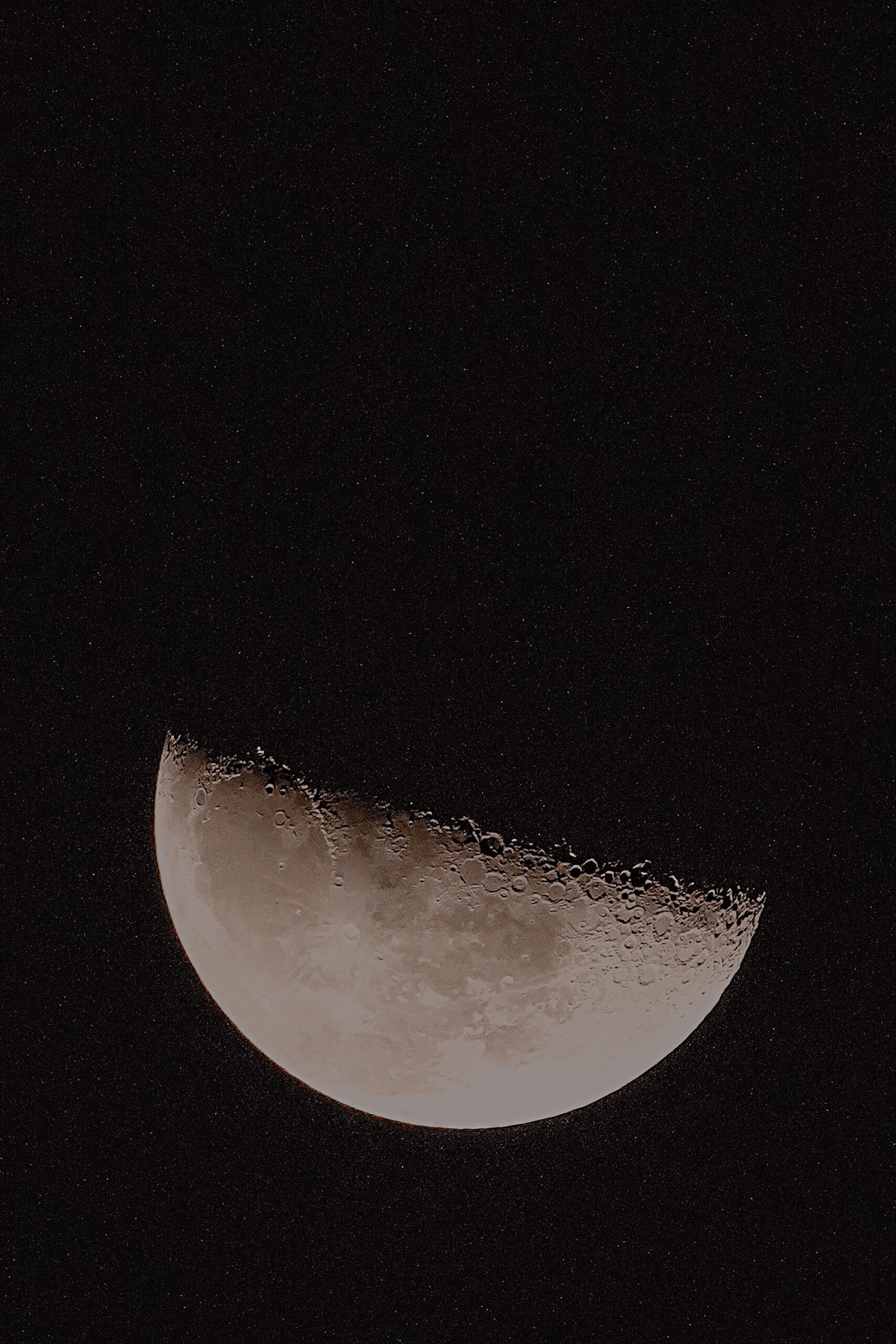

A few nights ago, Pakistan’s sky treated us to a rare sight — a partial lunar eclipse in early October, following the blood moon that had painted the sky red just weeks before. Standing there with my lens focused, I watched as the Earth’s shadow crept slowly across the moon’s surface. The bright silver softened into a deep copper hue before finding its glow again. It wasn’t just a celestial event; it felt like life itself playing out in the sky — moments of light, shade, and transformation.

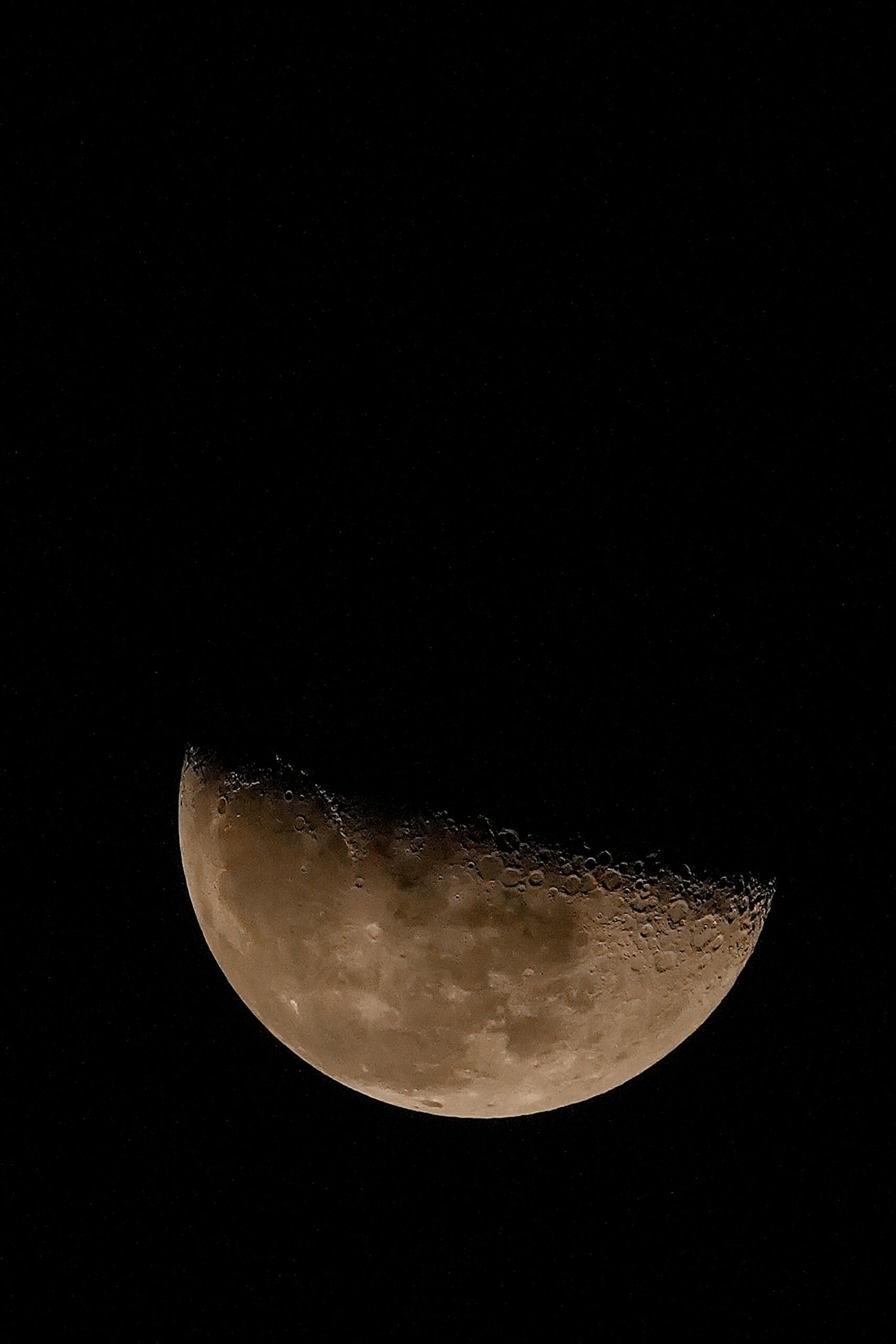
The moon has its phases — waxing, waning, sometimes shining in full, sometimes hidden completely. We do too. There are times when we’re radiant, full of purpose and presence, and then there are quieter stretches when we fade a little, gathering strength in the dark. But like the moon, our light doesn’t vanish. It just waits for the right time to return.
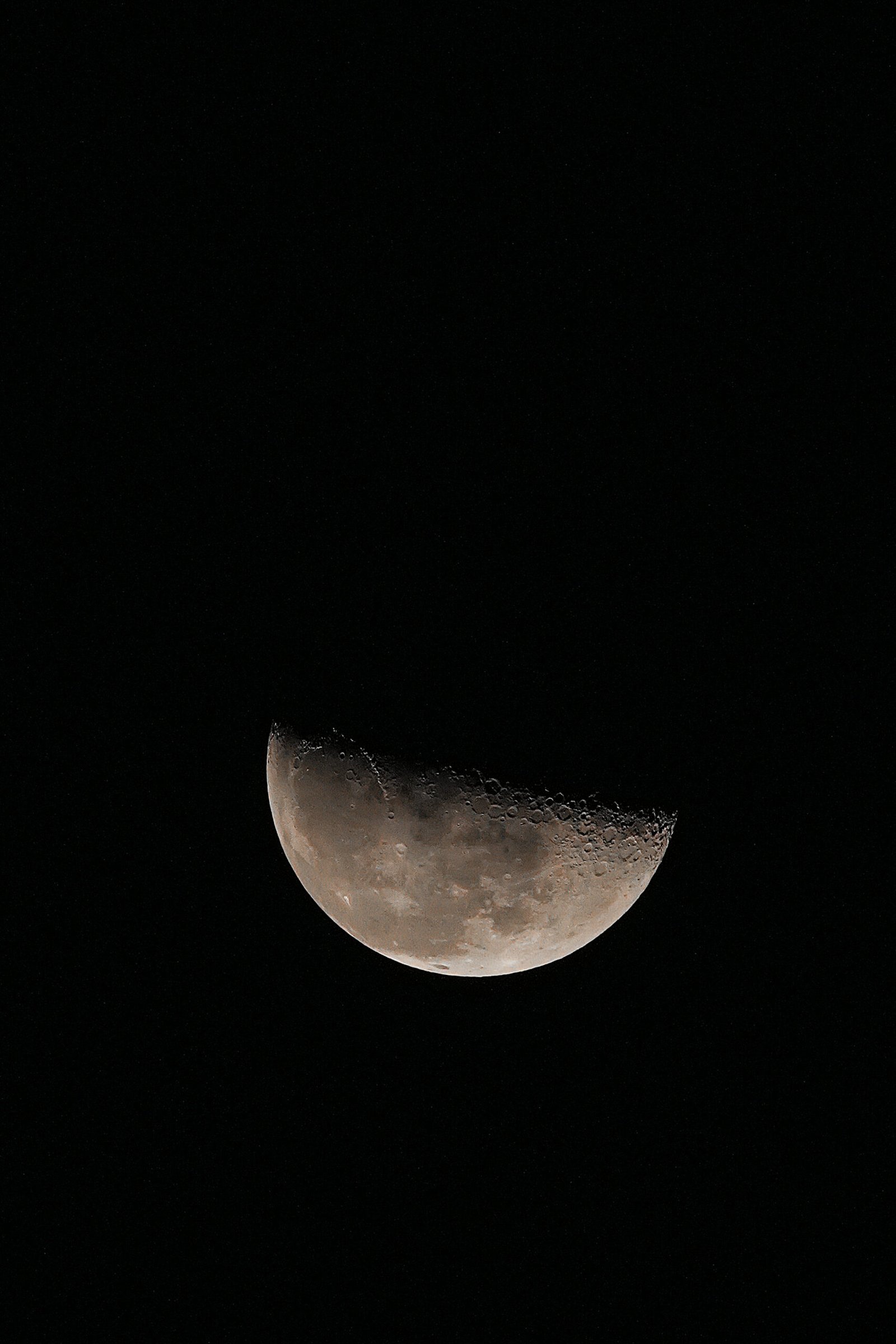
As I stood there, I realized the moon never hurries its journey. It takes its time, embracing every phase, every shadow. Maybe that’s something we all need to learn — to stop rushing through our seasons and start trusting the rhythm of our own cycles.
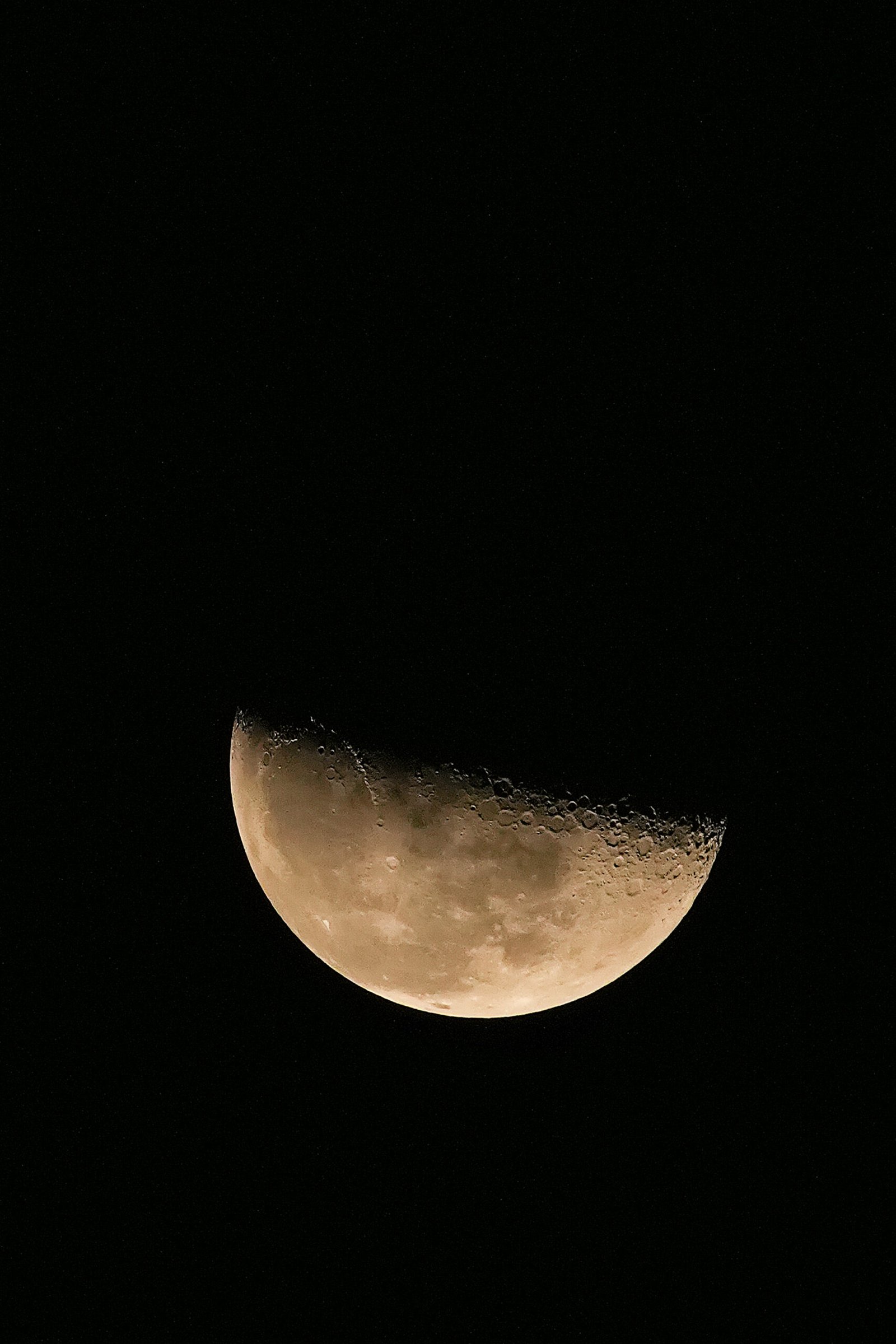
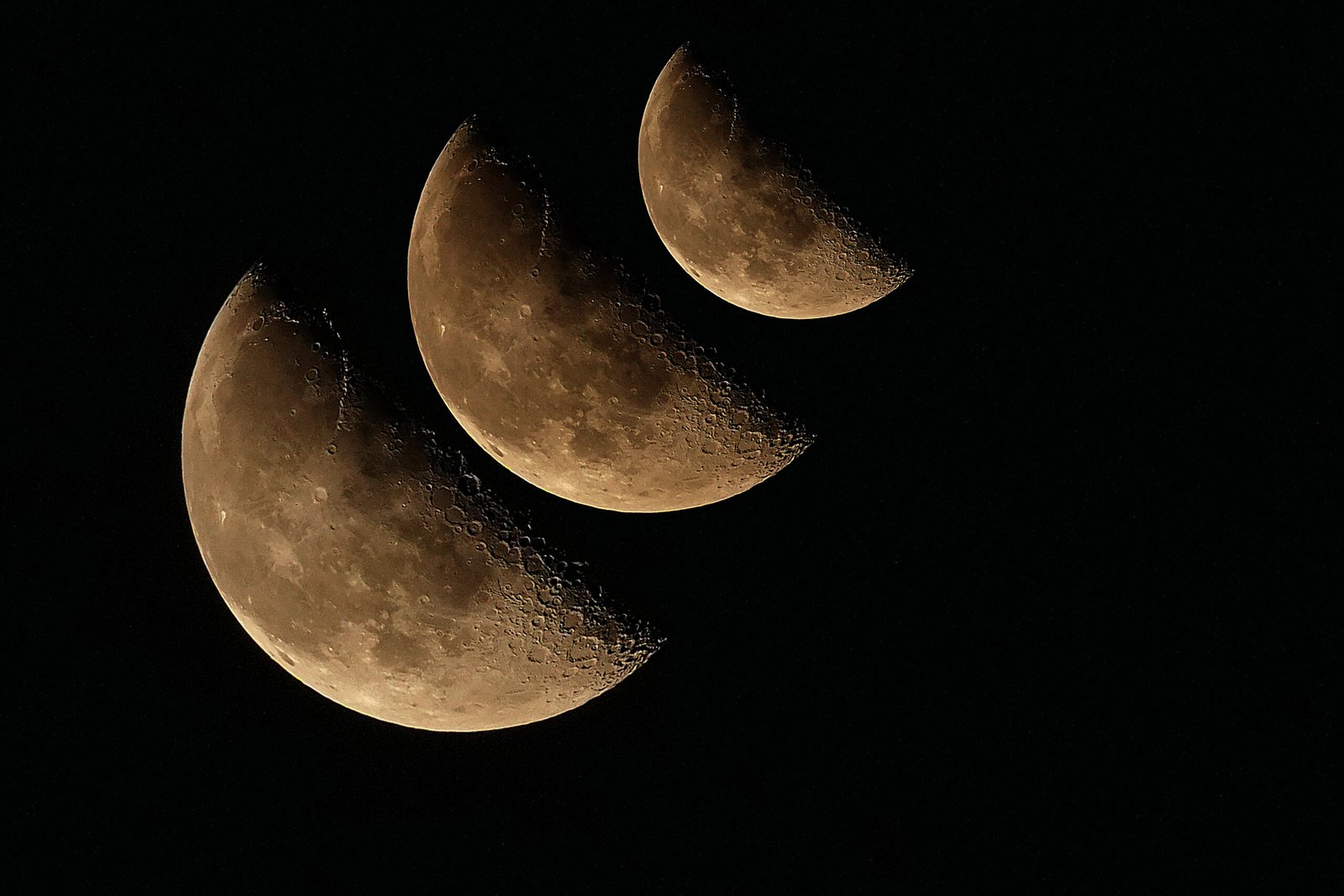

When the eclipse ended and the first sliver of light began to appear again, it felt like a gentle reminder: even when things seem dim, the light always finds its way back. The night sky that evening wasn’t just beautiful — it was honest.
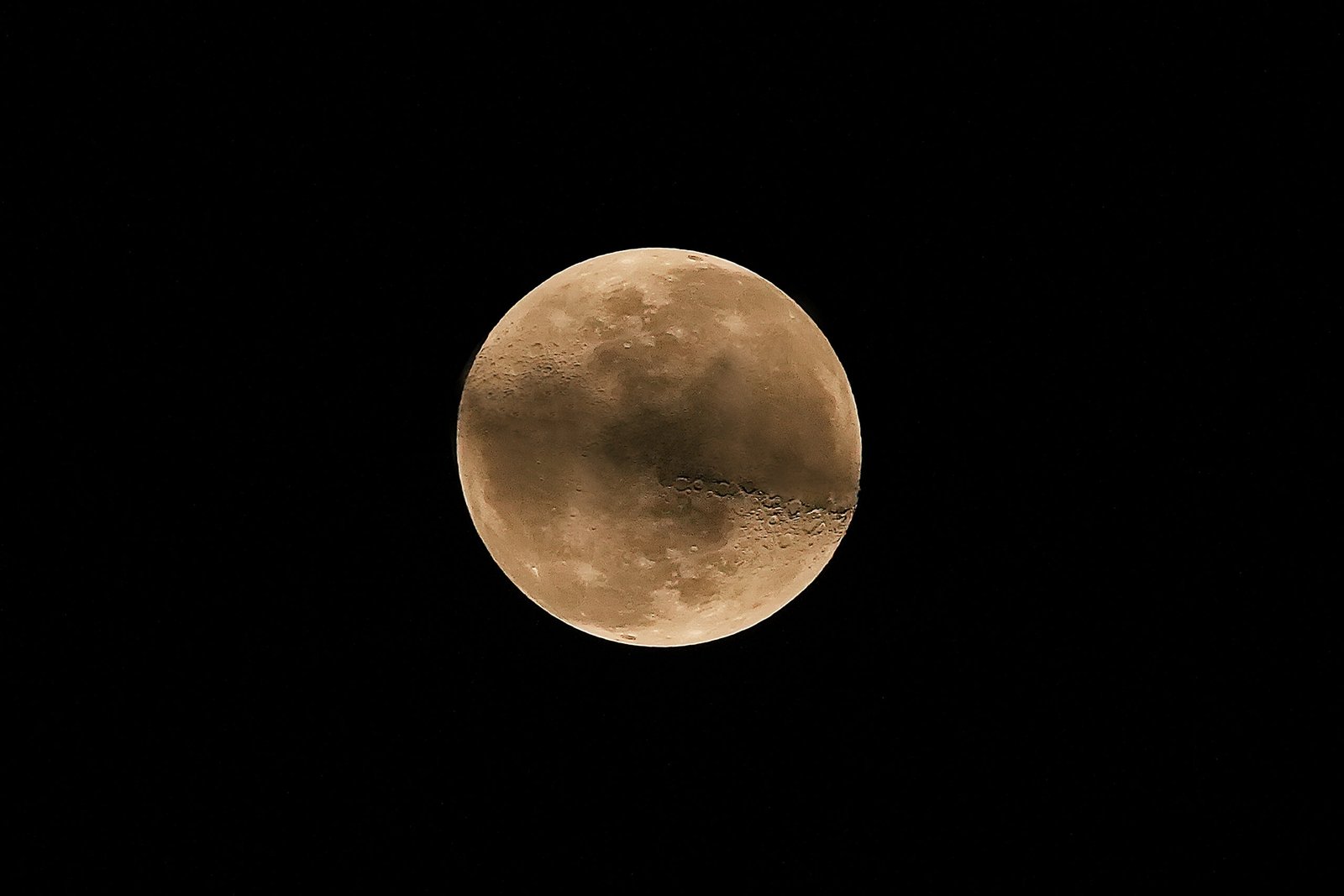

This week’s snapshot isn’t just a photograph; it’s a quiet conversation between the moon and everything it reflects in us. Because sometimes, when you look up long enough, the universe finds a way to whisper back.