

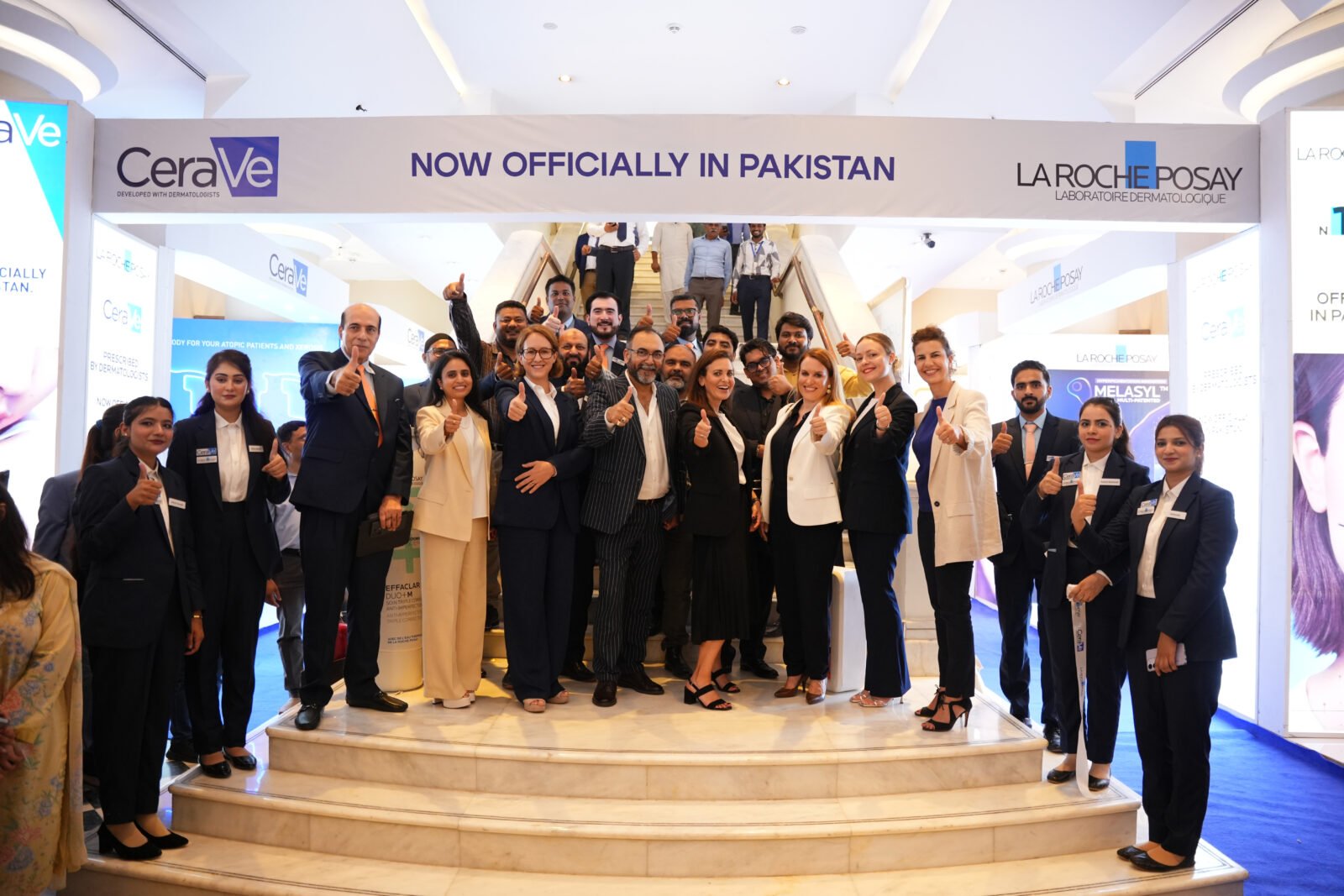

The July 2026 launch expands Pakistan’s dermocosmetics market with clinically studied barrier-care, acne and photoprotection ranges, backed by DermaBeauty Distributions.
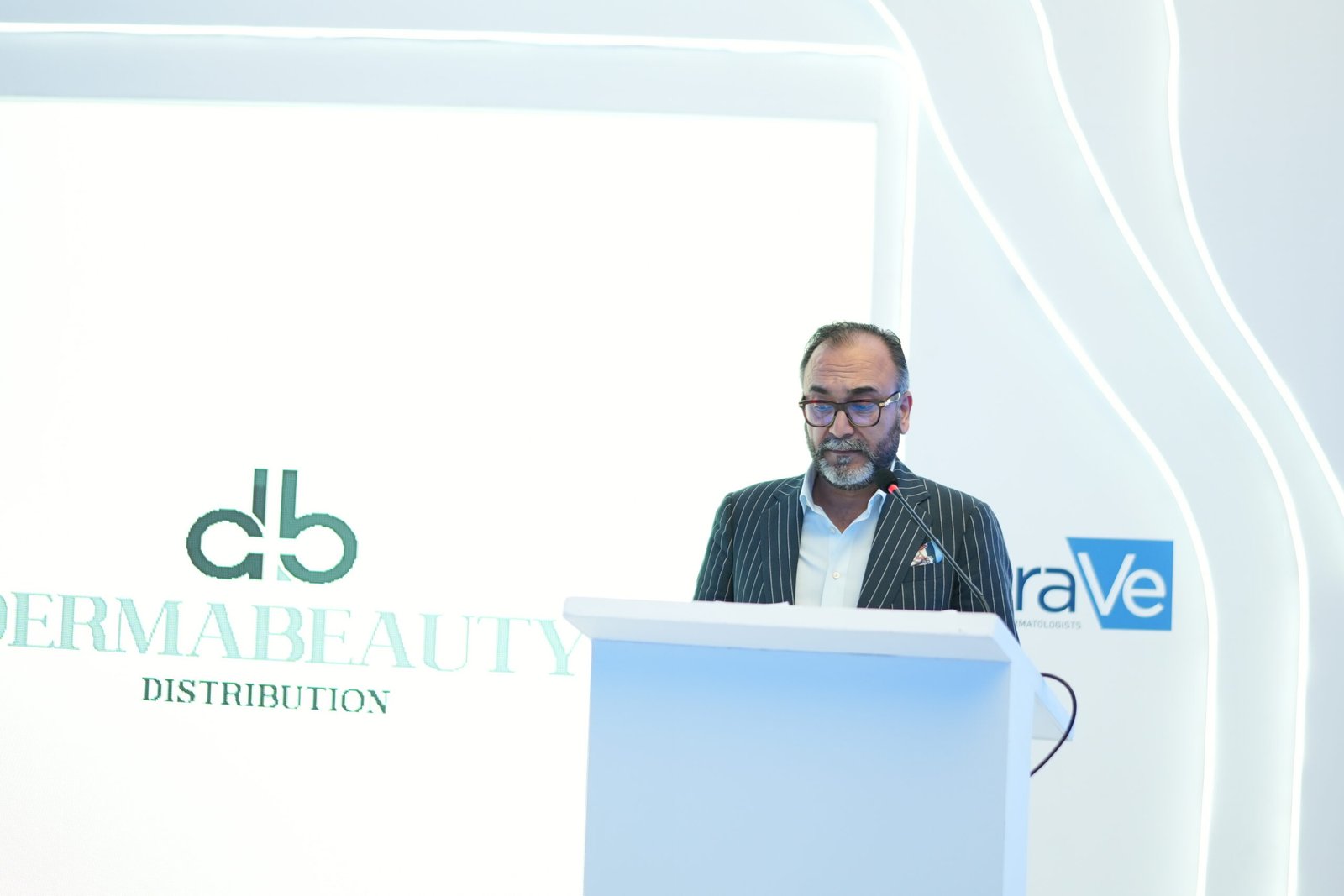
CeraVe and La Roche-Posay officially launched in Pakistan on 8 July 2026, marking a significant expansion of internationally recognised dermocosmetics in the local market. Both brands are being distributed through DermaBeauty Distributions, the official distributor of L’Oréal Dermatological Beauty in Pakistan.
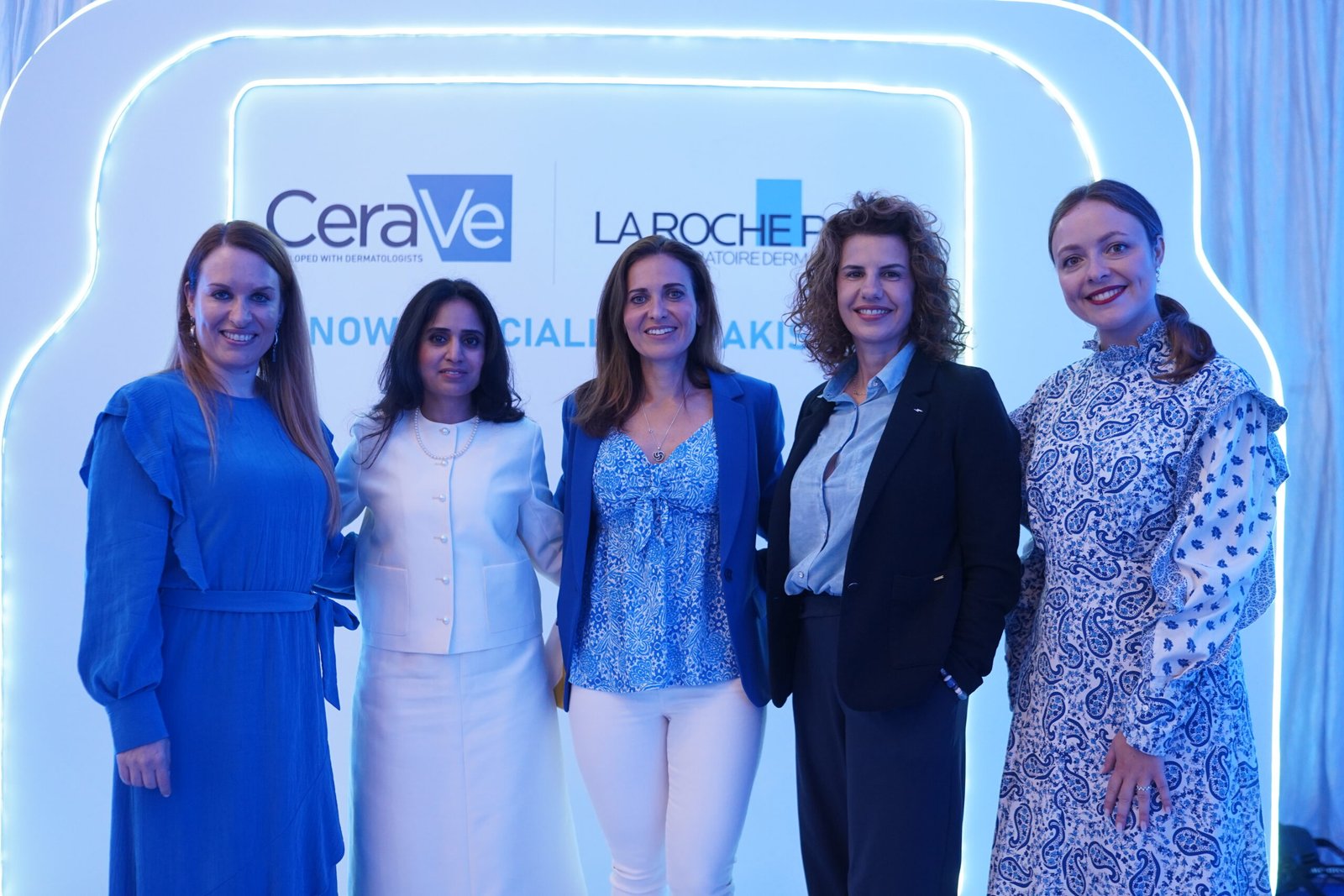
The authorised arrangement is commercially important in a skincare market where consumers and healthcare professionals must often distinguish genuine products from parallel imports. DermaBeauty Distributions says the partnership is intended to provide certified products that have been safely handled, supported by an official retail network and made traceable through the store locator at dermabeauty.pk.
The two brands enter Pakistan with distinct scientific propositions. CeraVe was developed after dermatologists identified ceramide deficiency as a shared feature among patients experiencing eczema, psoriasis and severe dry skin.Established in 2005, it launched in 2006 with three products: Moisturizing Cream, Moisturizing Lotion and Hydrating Cleanser.
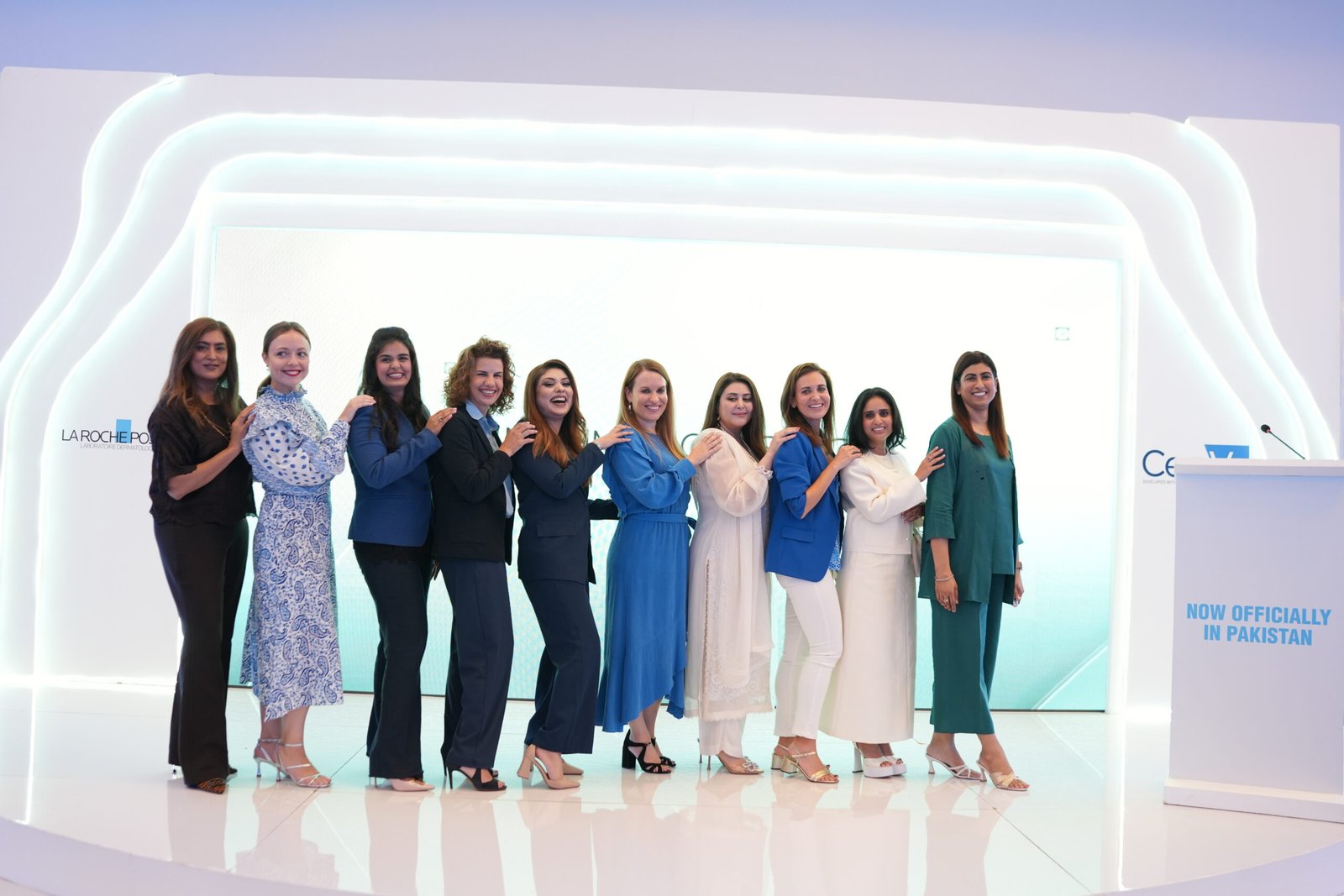
Its core formula combines three essential ceramides with patented MultiVesicular Emulsion technology. Commonly known as MVE, the delivery system releases skin-identical lipids gradually over a 24-hour period, supporting hydration and restoration of the skin barrier. Products are positioned as fragrance-free and non-comedogenic, attributes that broaden their relevance for sensitive, dry and acne-prone consumers.
This barrier-focused proposition is well aligned with Pakistan’s varied climate. Dry winters, intense heat, humidity and dehydration can all place additional stress on the skin’s protective function. The brand’s emphasis on simple, sustained moisturisation therefore addresses a practical need across different regions and seasons.
La Roche-Posay is positioned as a medical dermocosmetic brand with roots in the French thermal spa town of the same name. Its Thermal Spring Water was formally recognised as a public health resource in 1897, while the La Roche-Posay Thermal Centre was established in 1905. The brand itself was founded in 1975 by pharmacist René Levayer around a mission to make dermatology accessible to all skin types, including sensitive skin.

According to company material, La Roche-Posay’s portfolio is supported by more than 800 clinical studies conducted on over 300,000 people of different ages and skin phototypes, as well as more than 180 peer-reviewed publications. The company also says it applies formulation criteria beyond international regulatory requirements and selects only 10 per cent of the cosmetic ingredients available in the market.
Its Thermal Spring Water contains selenium, calcium and silica and is used across many formulas for its documented soothing and anti-irritation properties. The associated thermal centre now receives more than 5,000 patients annually, including people recovering from cancer treatment.
The Pakistan launch is expected to place particular focus on Anthelios, La Roche-Posay’s photoprotection range for high-UV conditions, and Effaclar, developed for acne-prone skin and concerns associated with elevated sebum production. Brand testing across varied climates, including markets in South and Southeast Asia, supports the relevance of these ranges to hot and humid conditions. The company also notes that hard water does not alter the efficacy of leave-on products, whose active ingredients work directly on the skin.
Taken together, the launch combines consumer demand for clinically substantiated skincare with a formal route to market. Its longer-term significance will depend on accessibility, education and confidence in authorised retail—but for Pakistan’s growing dermocosmetics category, the arrival of CeraVe and La Roche-Posay establishes a notable new benchmark.
