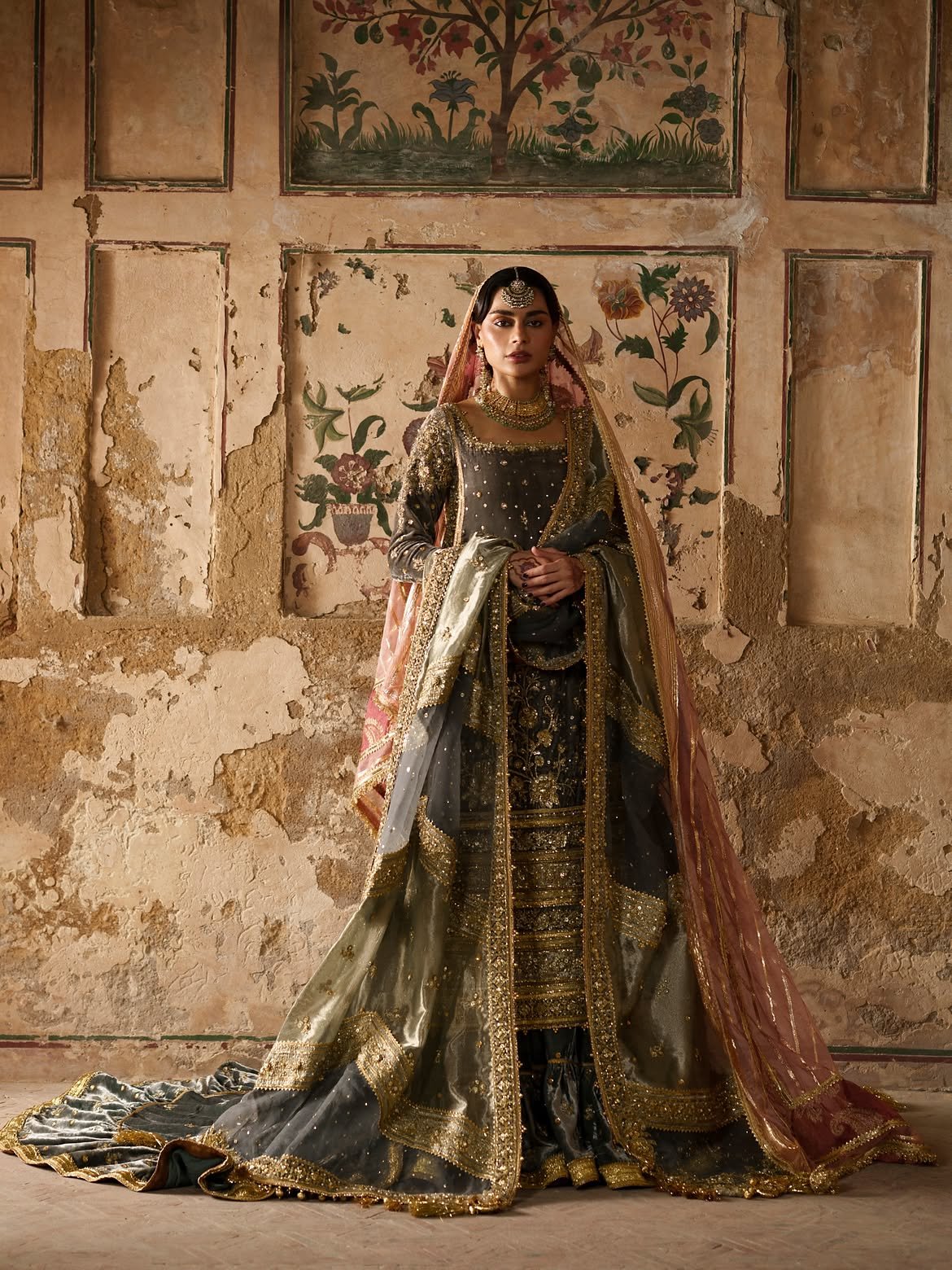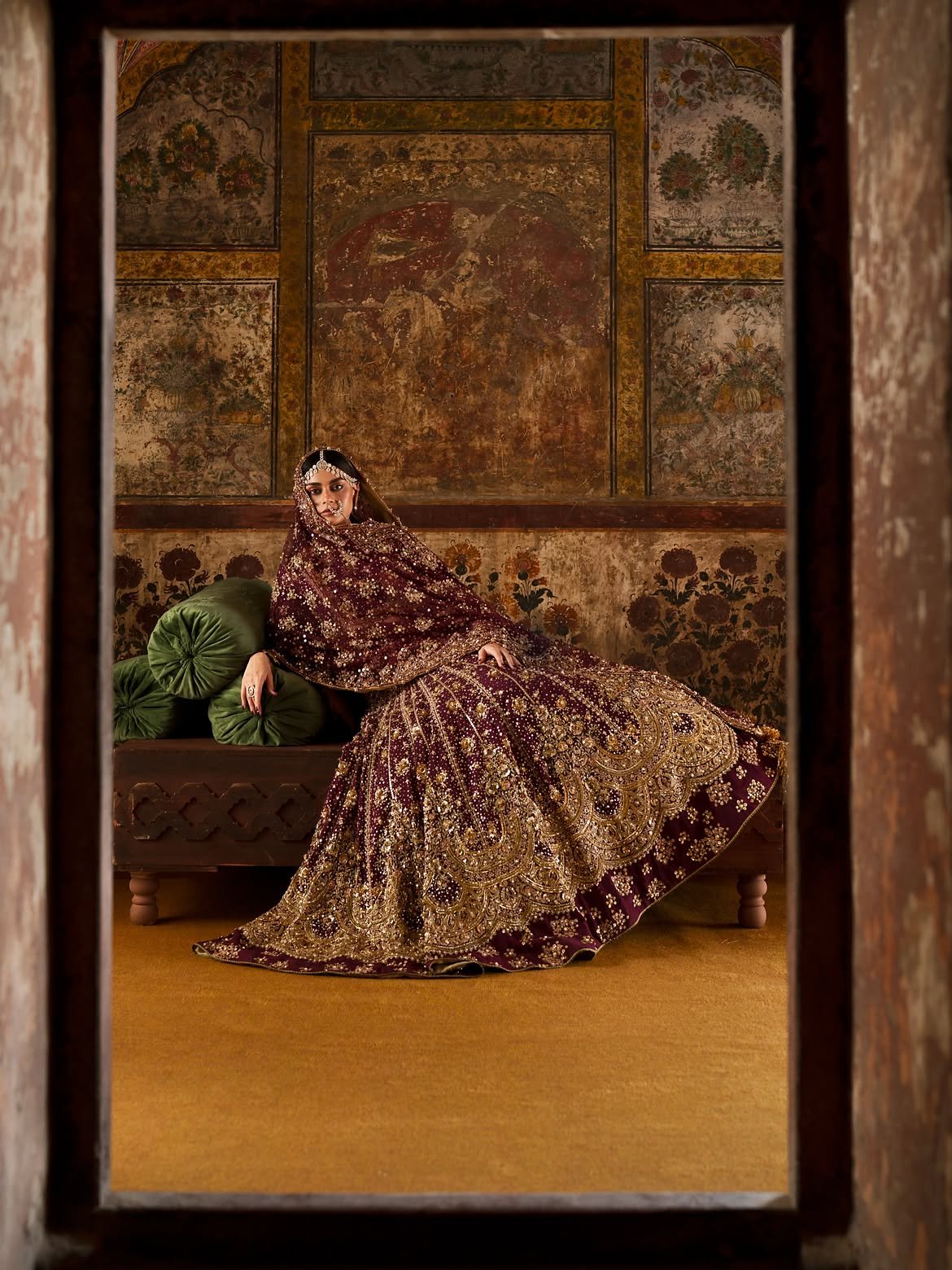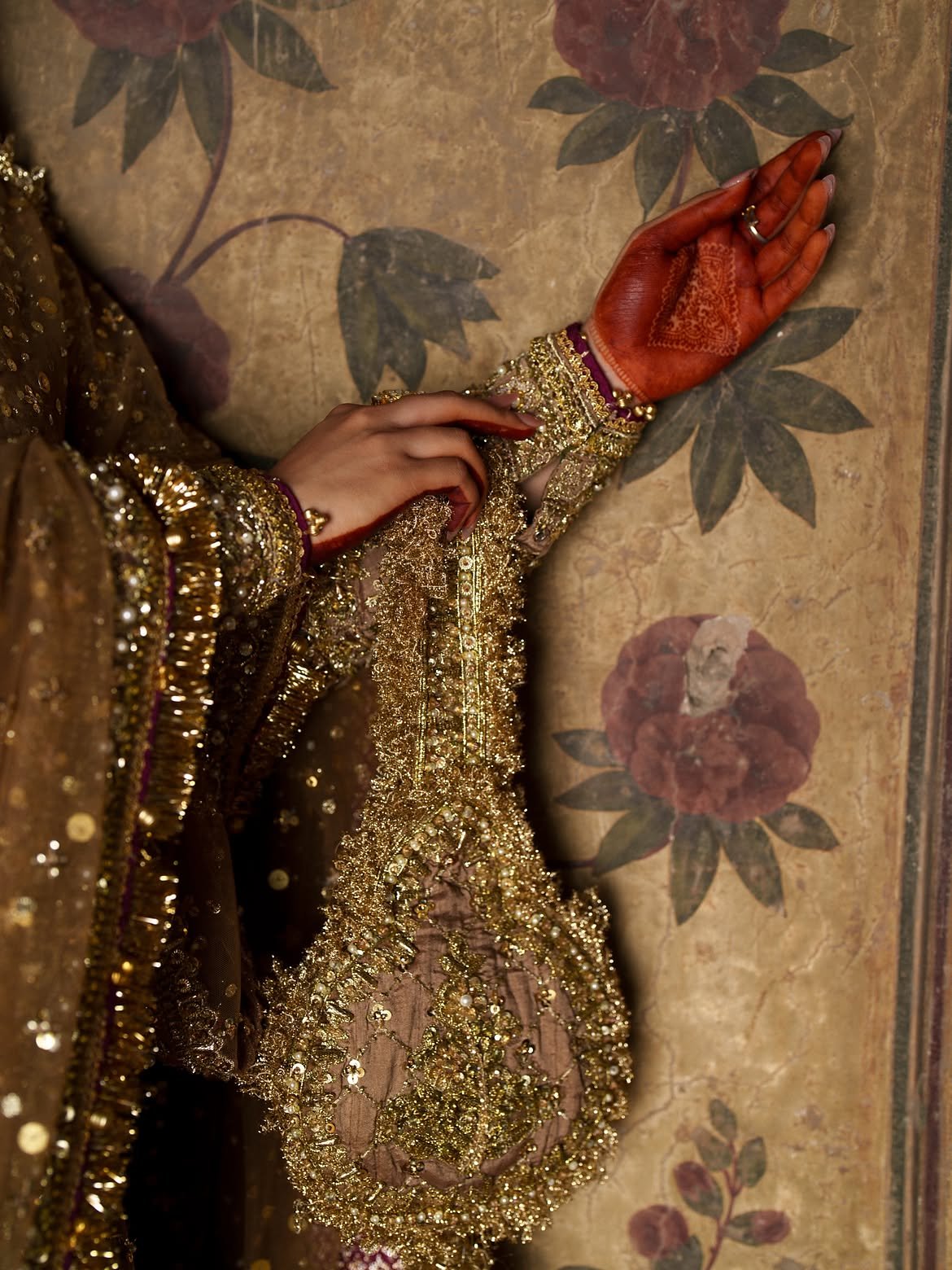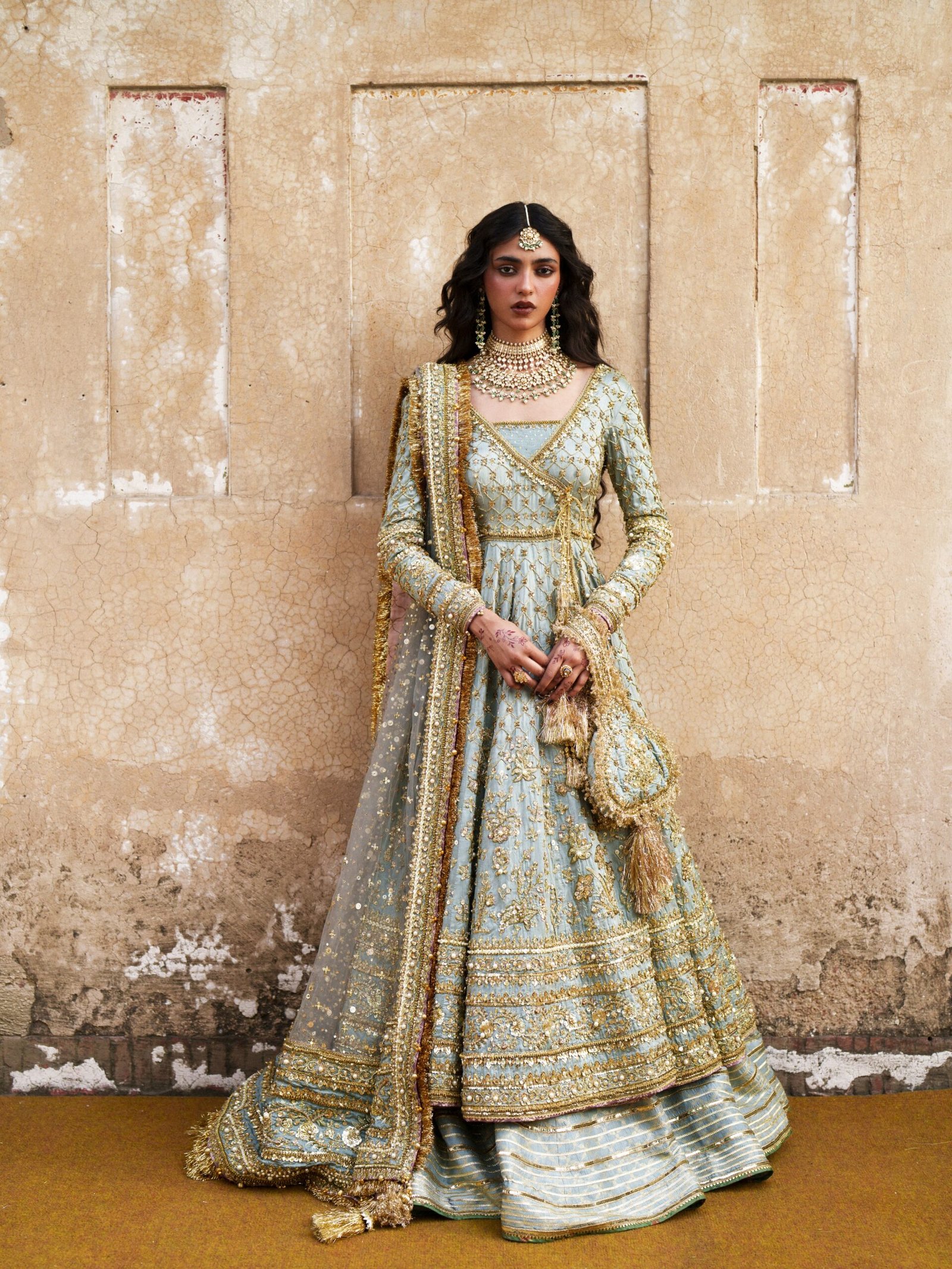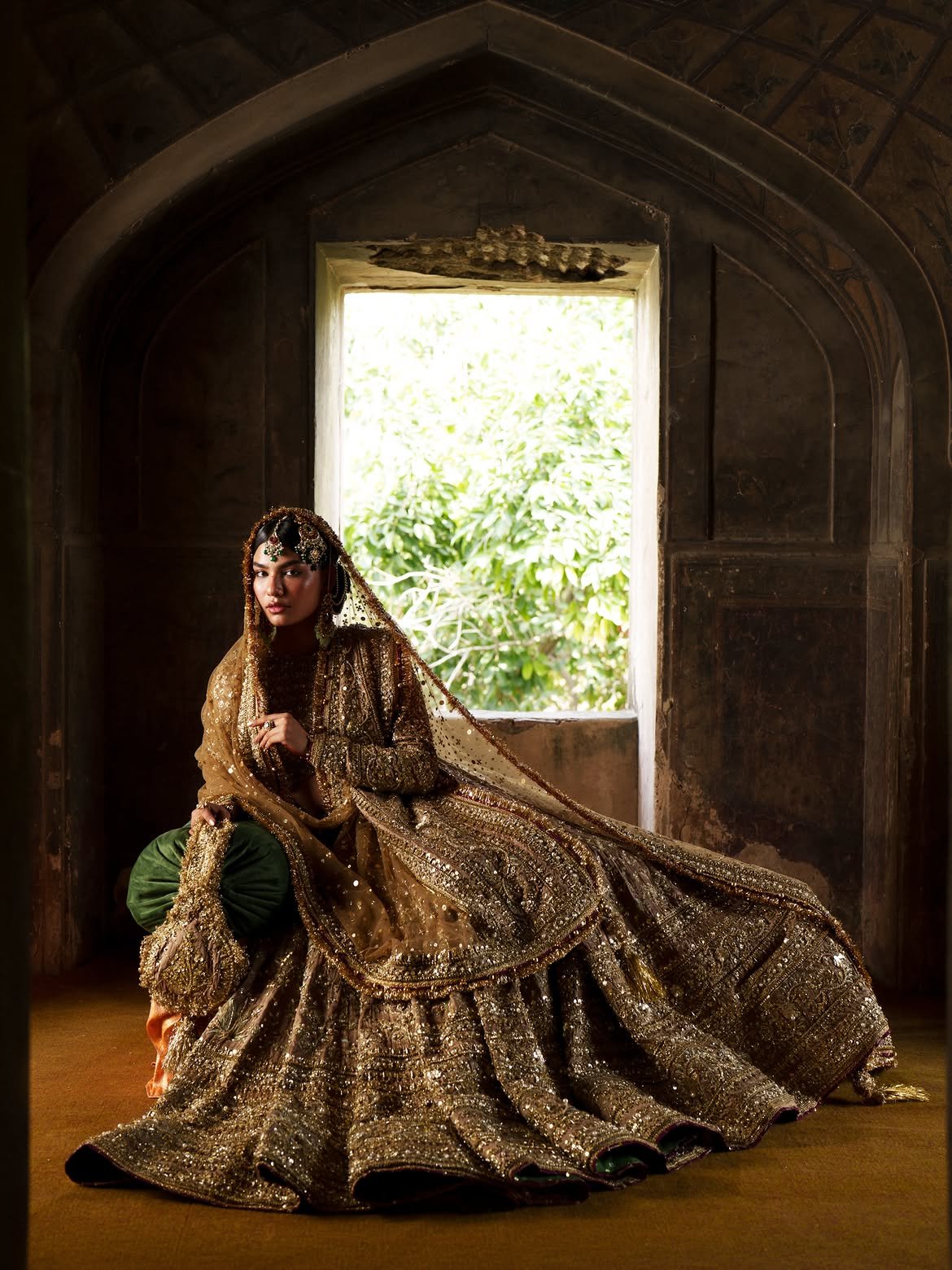

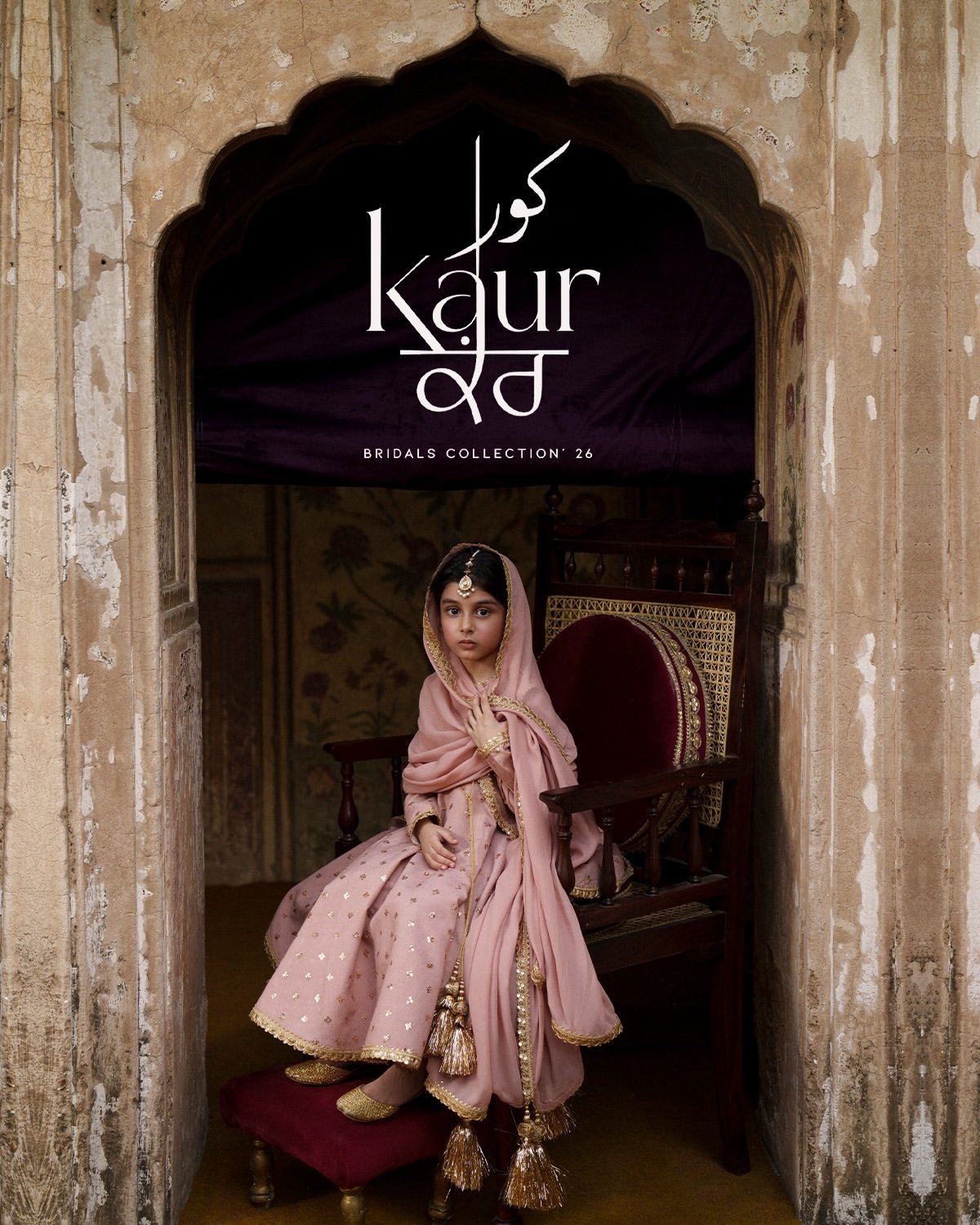

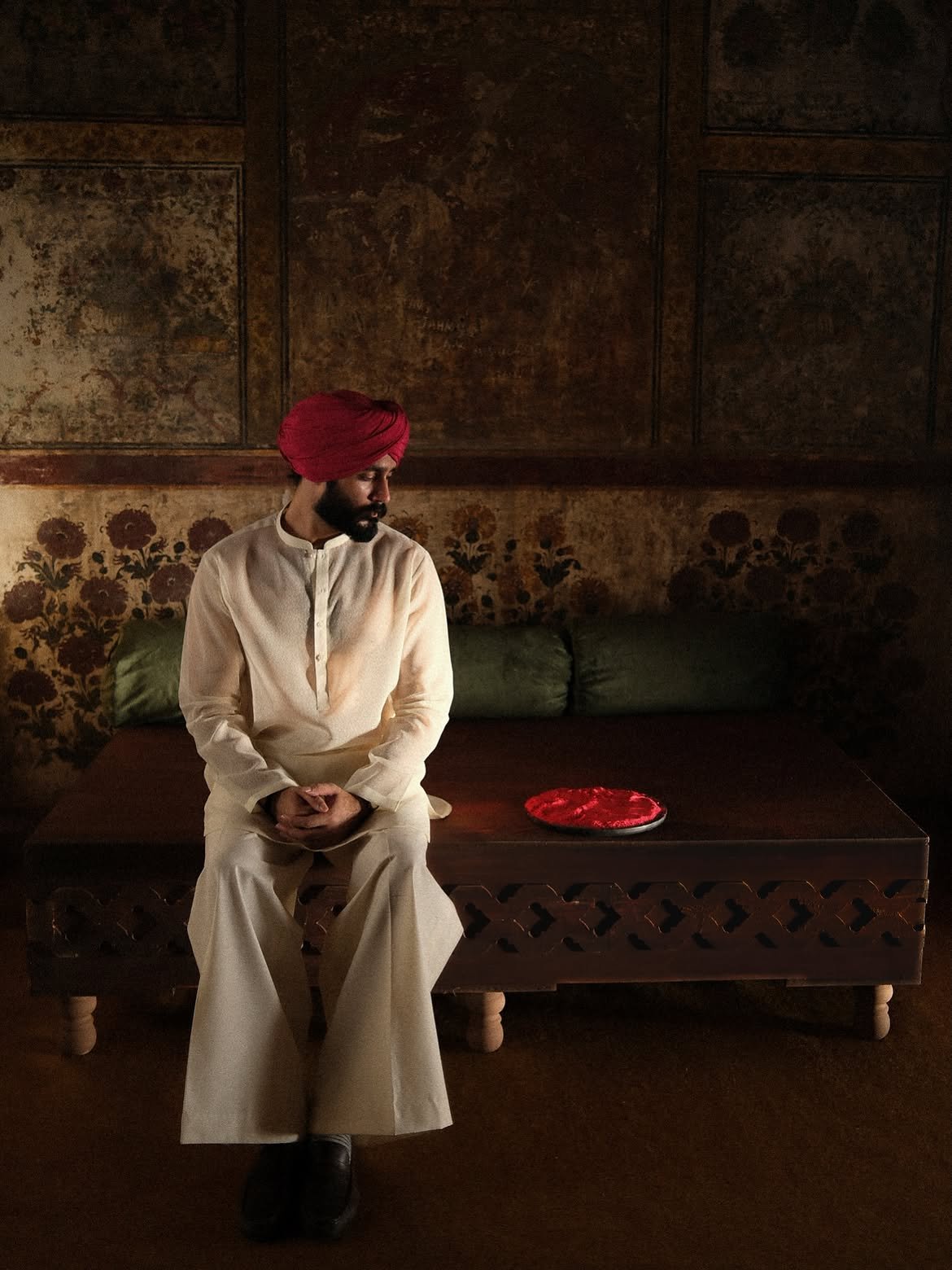
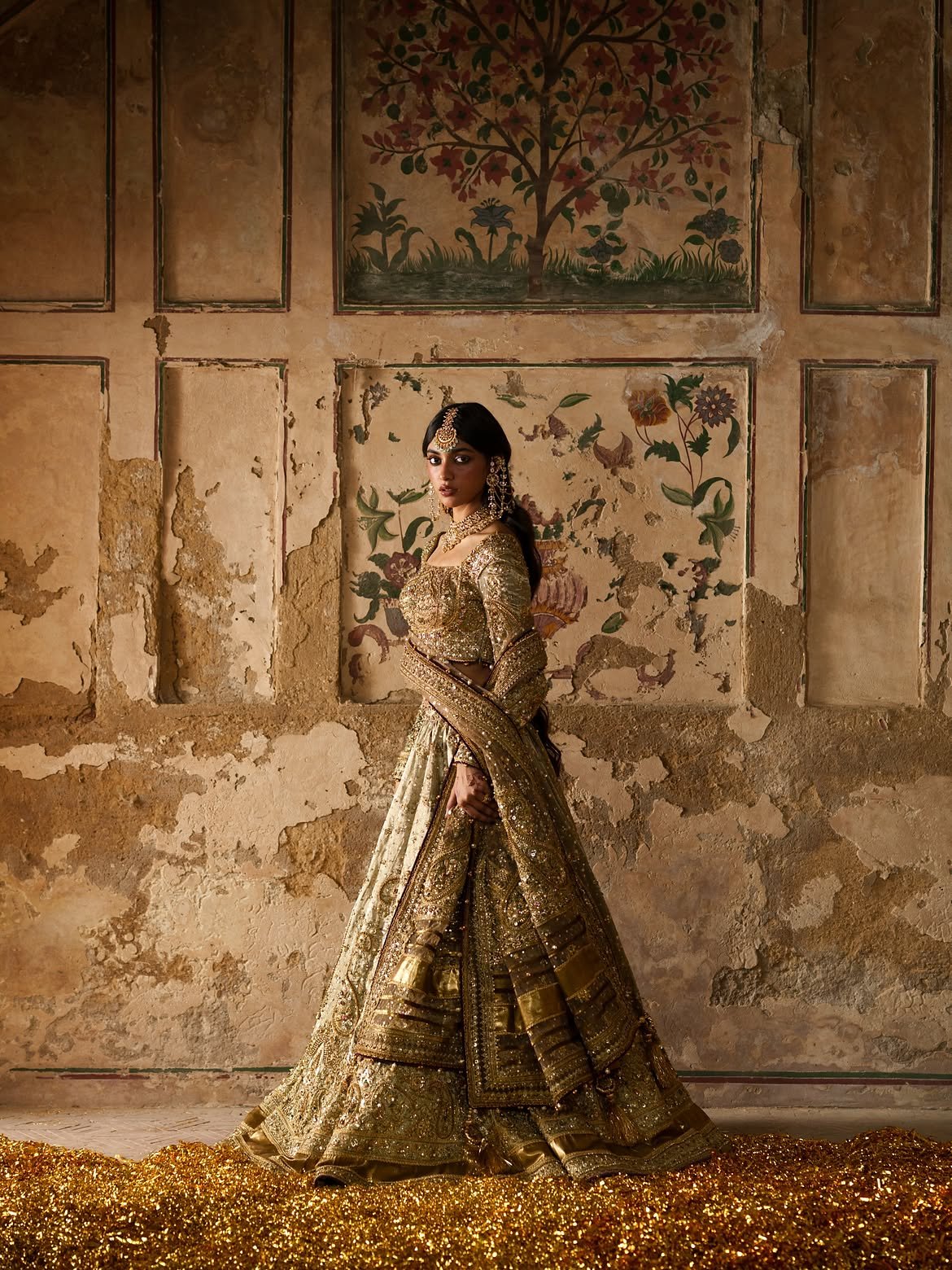
Fashion has long been a medium through which culture, identity and history find new expressions. Beyond silhouettes, fabrics and craftsmanship, clothing can carry the stories of generations, preserving traditions while allowing them to evolve. With KAUR Bridals 2026, Mohsin Naveed Ranjha explores this relationship between fashion and cultural memory, presenting a campaign that places the Sikh feminine at the centre of its narrative.
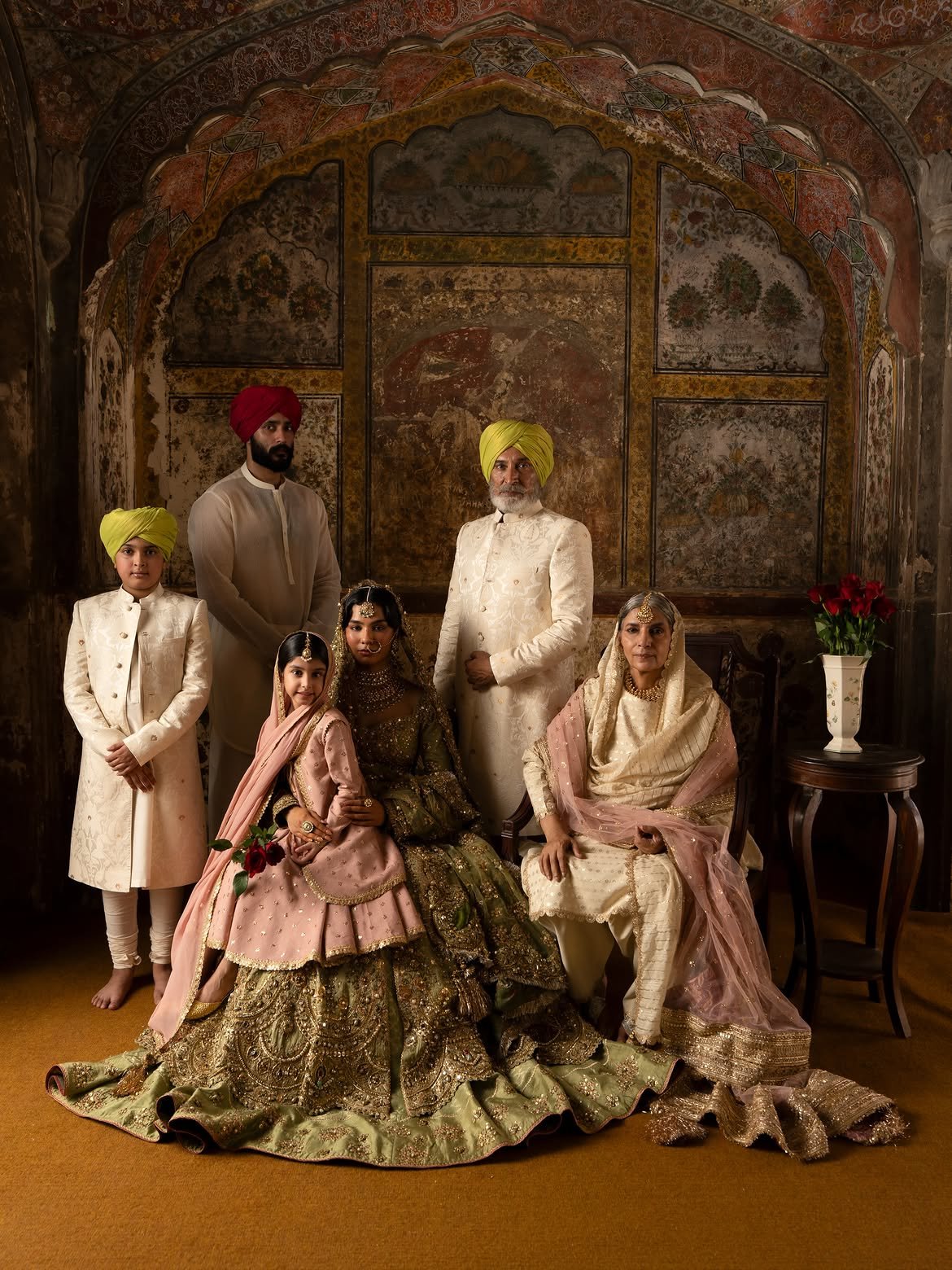
Conceived as a visual commentary on ancestral memory, KAUR looks beyond heritage as a collection of traditions and considers it an enduring part of identity. The campaign reflects on the idea that women carry the experiences, resilience, rituals and histories of those who came before them. It presents femininity as a continuum, shaped by the generations that precede it and continually reinterpreted by the women of today.
The Sikh Feminine as a Living Legacy:
At the heart of KAUR is the Sikh woman, represented not simply as a reference to history but as an embodiment of cultural continuity. The campaign explores how identity is inherited, experienced and transformed across generations, acknowledging the deep connections between the past and the present.
Amritsar: A City Rooted in Sikh Heritage
In the context of Mohsin Naveed Ranjha’s KAUR Bridals 2026, Amritsar serves as a powerful cultural reference for reflecting on the Sikh feminine and the relationship between identity and ancestry. The city’s historical significance evokes a sense of continuity, where traditions and collective experiences remain connected to contemporary life. This relationship between past and present echoes the campaign’s central idea of ancestral memory, in which the experiences and resilience of earlier generations continue to inform the identities of women today.
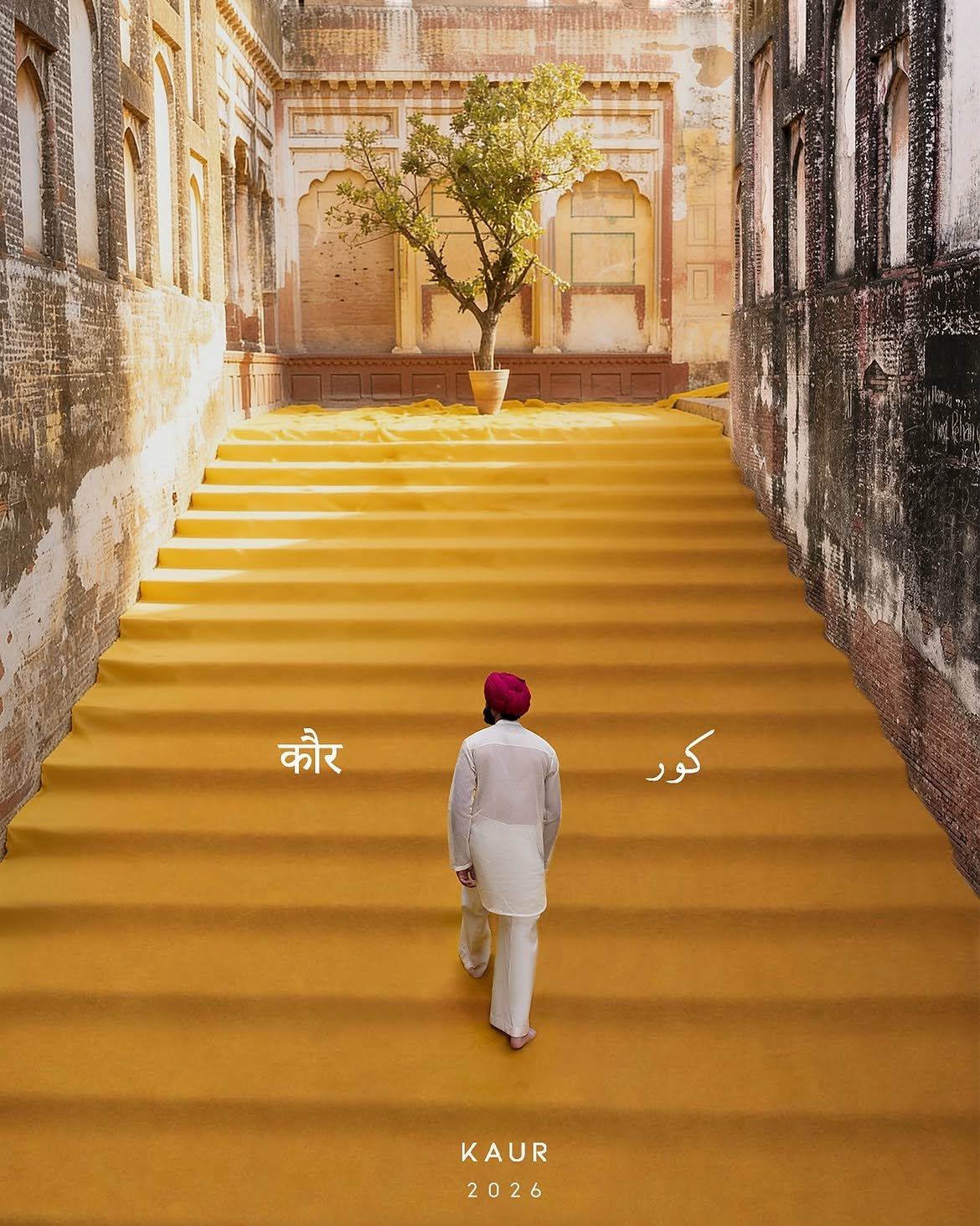
The idea of ancestral memory extends beyond conscious recollection. It exists in cultural practices, family histories, shared experiences and the values passed from one generation to another. Through this perspective, KAUR considers the woman of today as part of a much larger ancestral story, carrying within her the influences of women whose lives have shaped the present.
Identity, Femininity and Cultural Belonging:
By centring the Sikh feminine, the campaign opens a conversation about representation, belonging and the ways in which cultural identity can be expressed through fashion. It approaches femininity as something deeply connected to heritage while allowing room for individuality and contemporary interpretation.
Reimagining Heritage Through Contemporary Bridal Fashion:
For Mohsin Naveed Ranjha, KAUR presents an opportunity to approach heritage as something that can be revisited and reinterpreted rather than simply preserved. Within the broader landscape of South Asian bridal fashion, where tradition and modernity frequently intersect, the campaign explores how cultural memory can inform a contemporary creative vision.
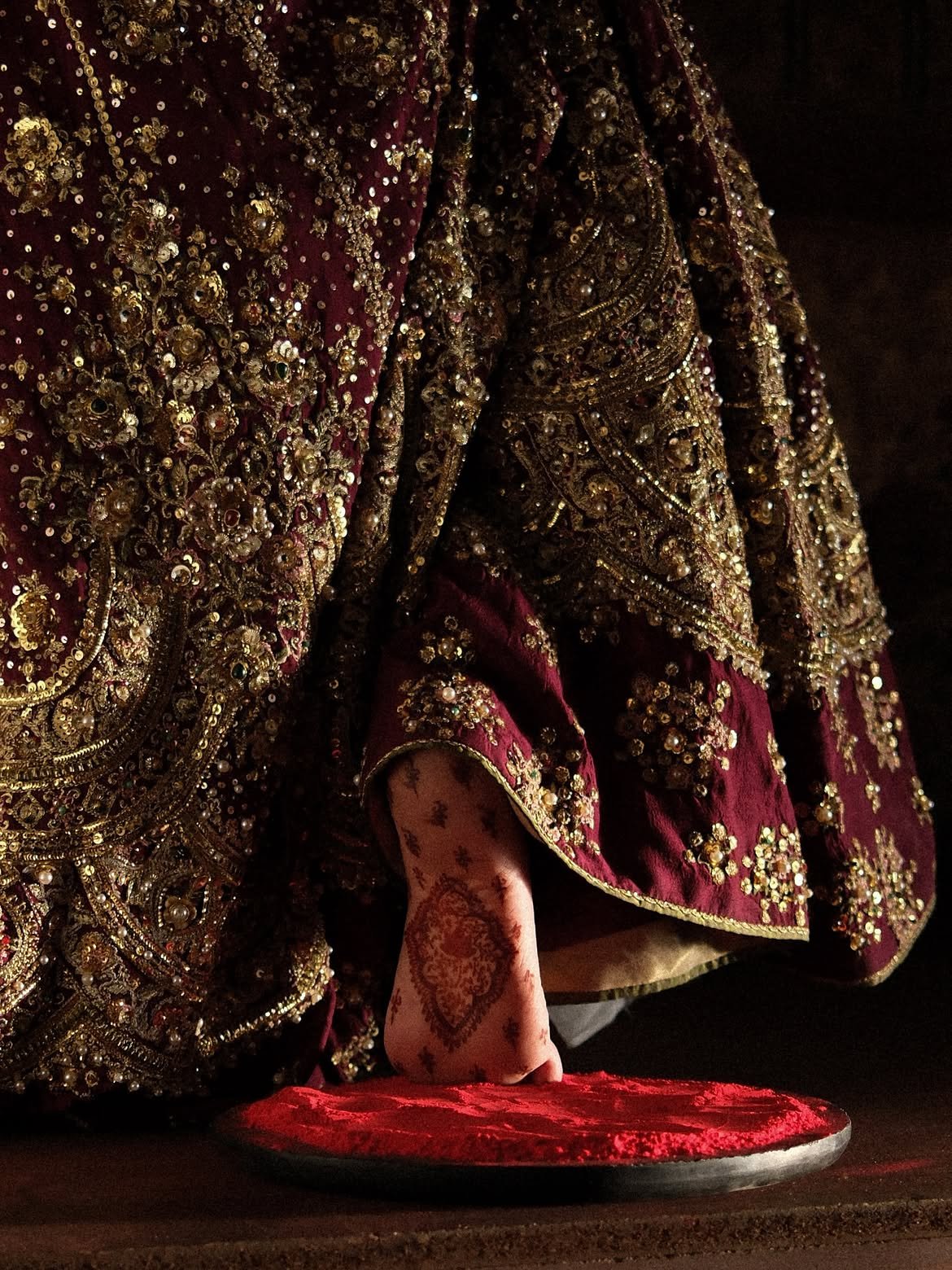
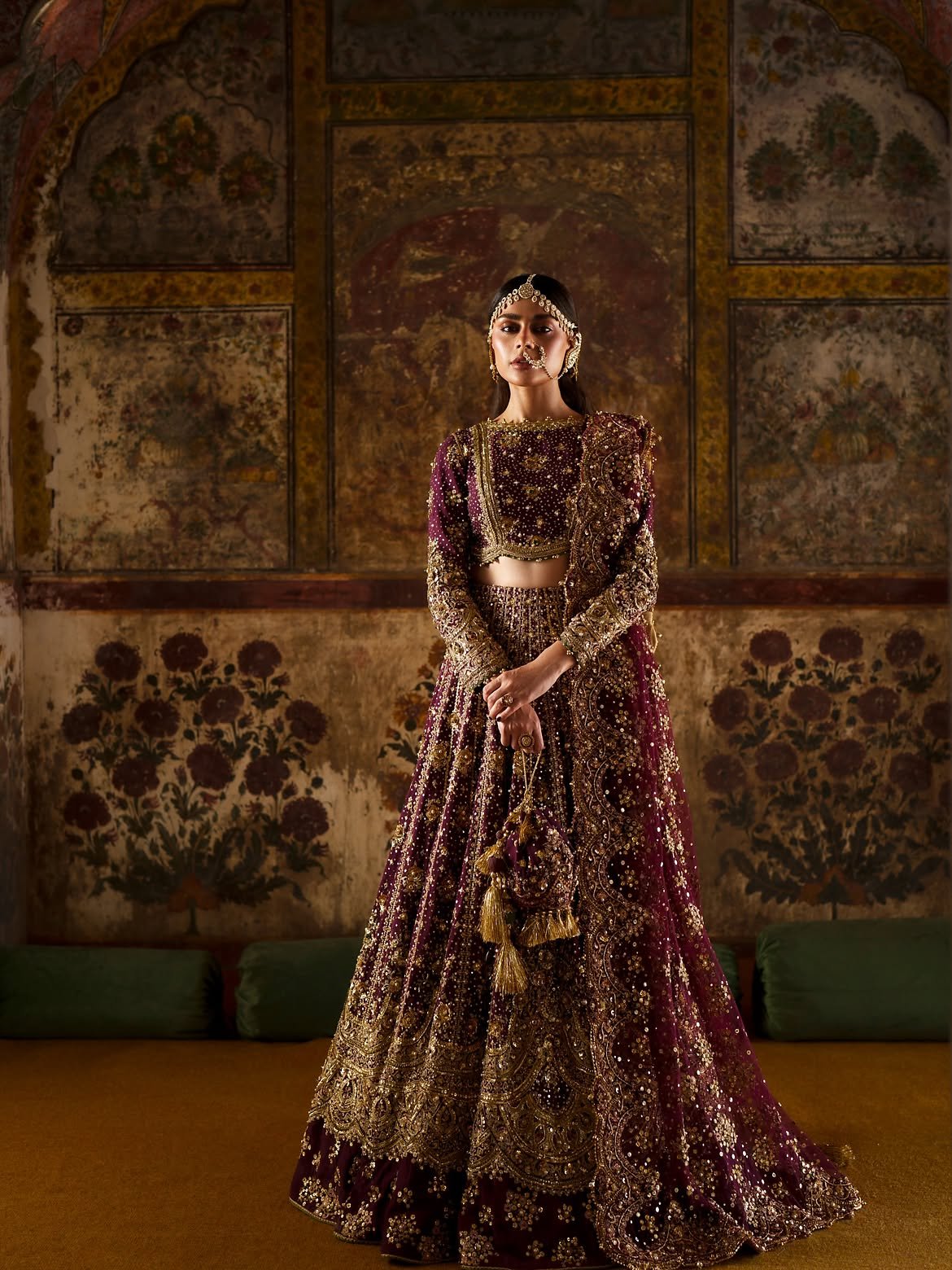
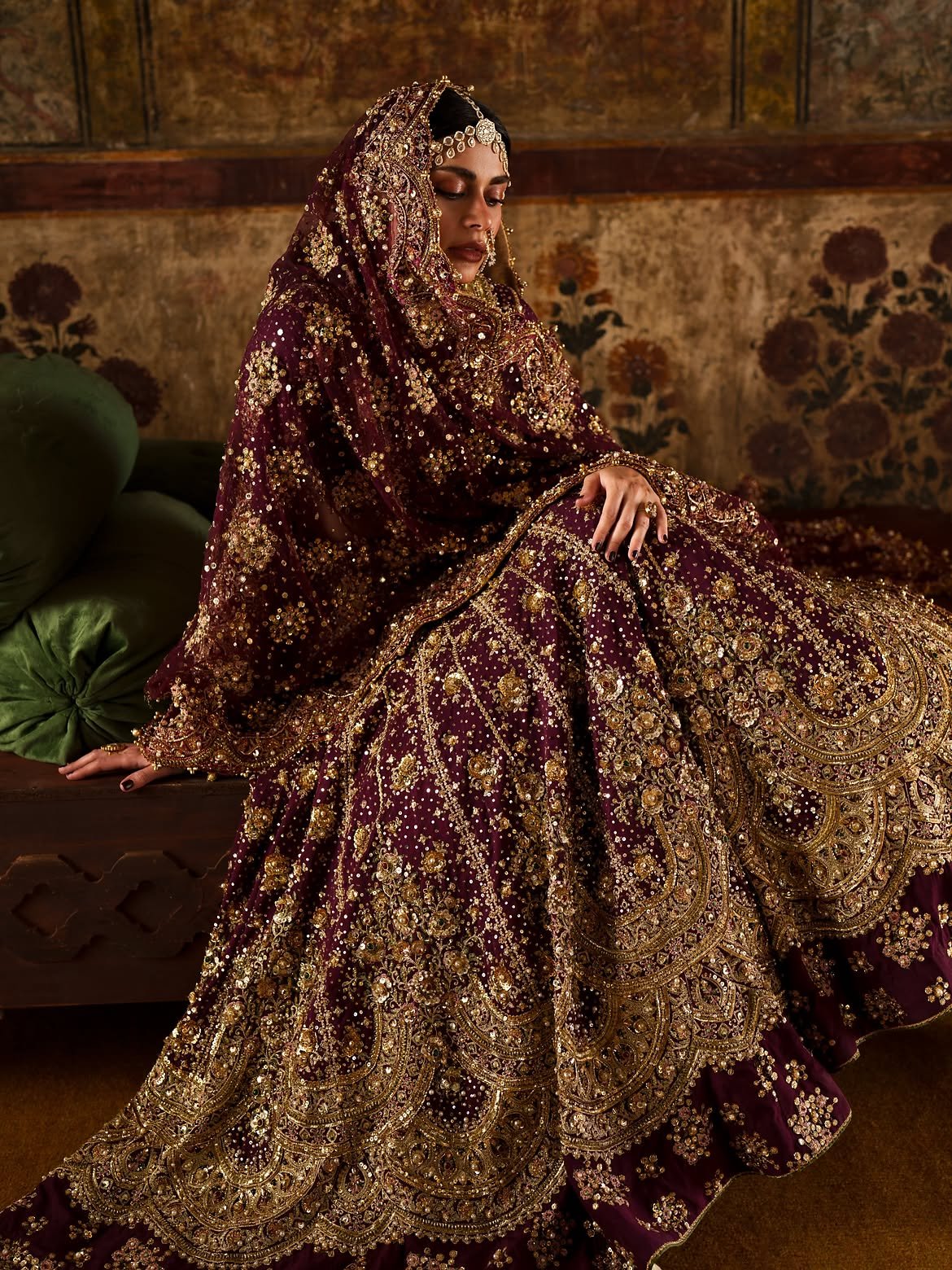
Bridal couture holds a particular relationship with heritage. It is often connected to family traditions, generational rituals and the significance of cultural celebrations. Yet, for contemporary designers, it also offers a space to explore new expressions of identity and personal style.
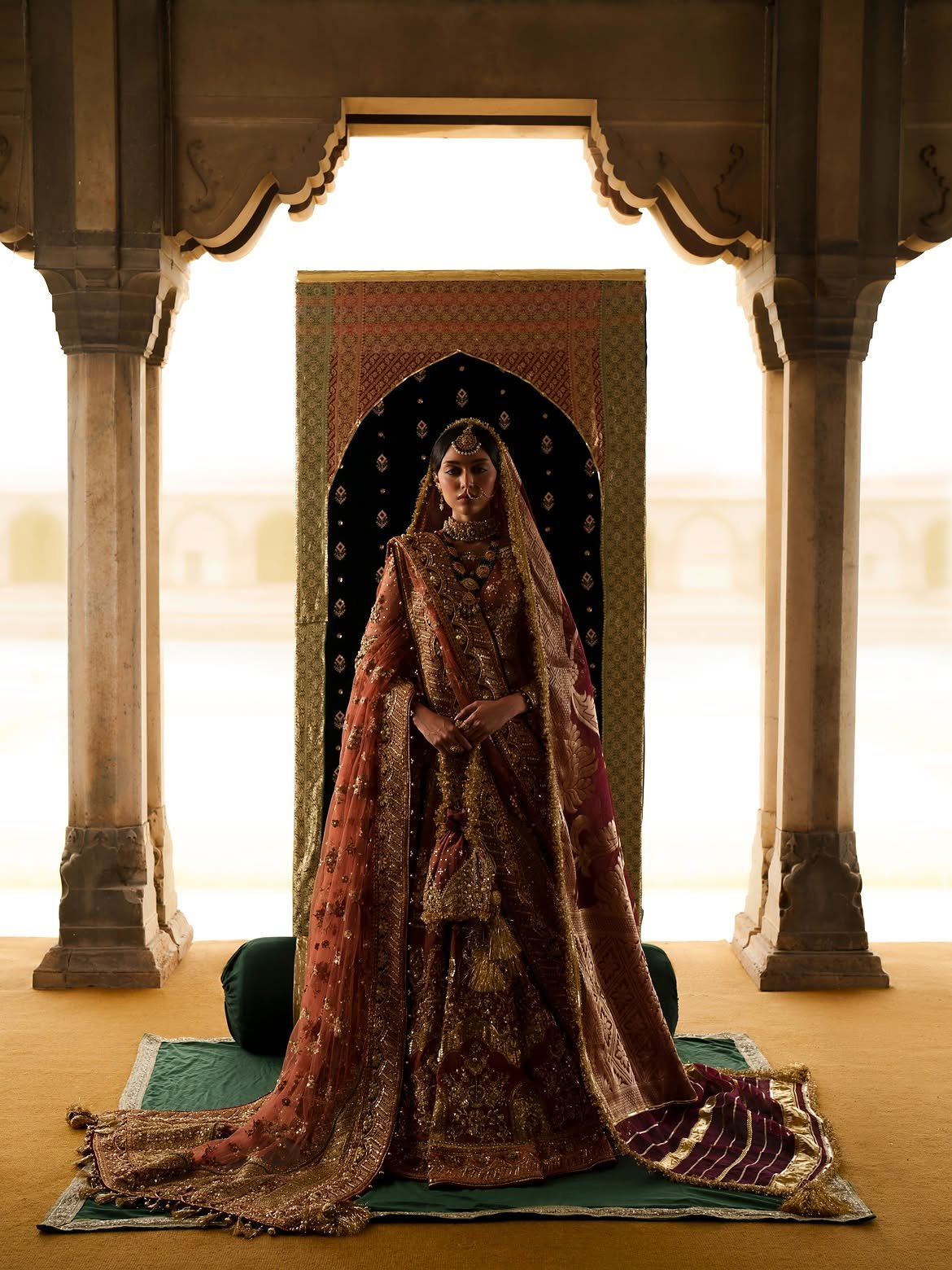
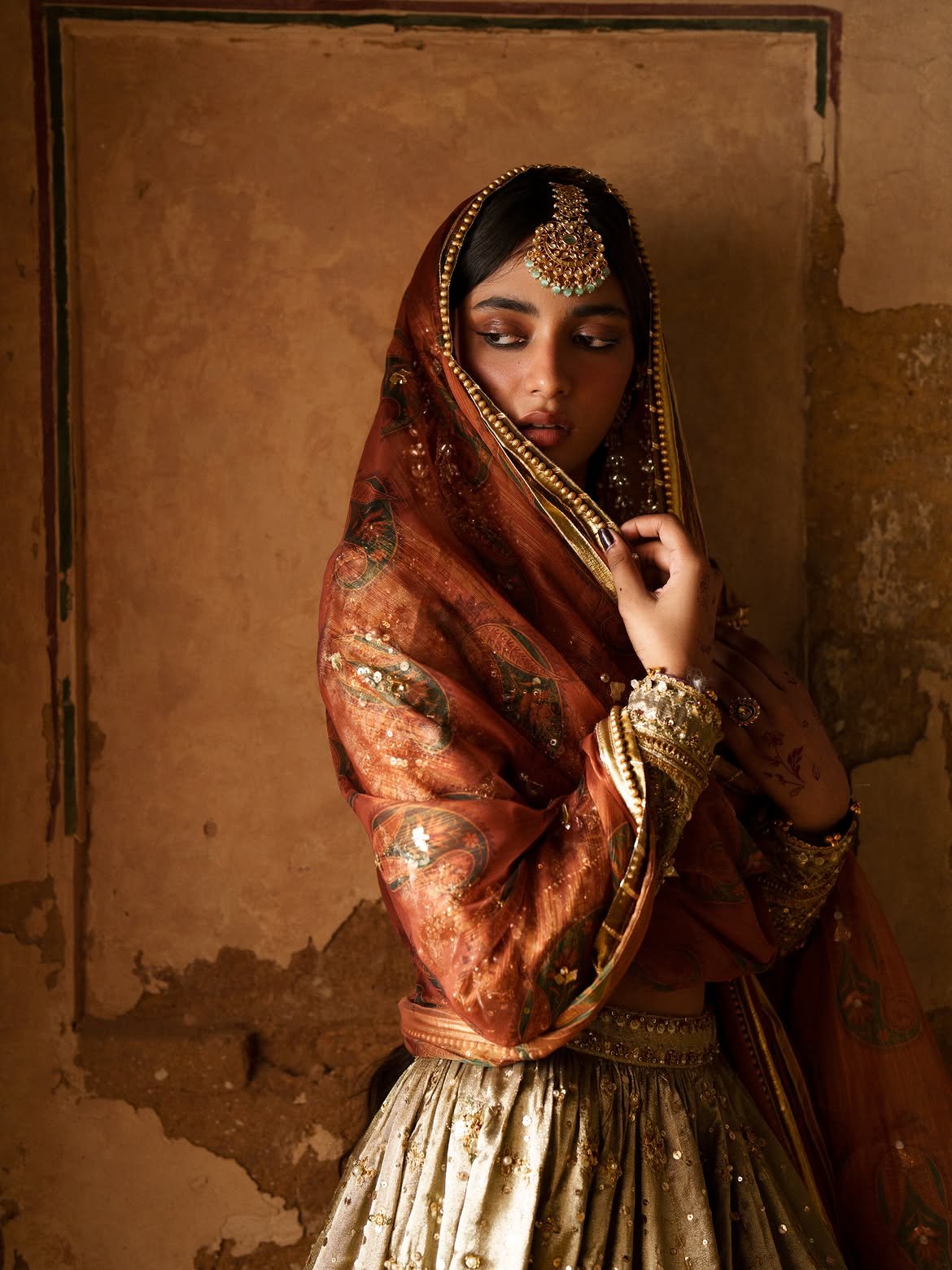
Preserving Heritage Through a Contemporary Lens:
KAUR places these ideas within a wider conversation about the evolving language of bridal fashion. By bringing cultural memory into its creative narrative, the campaign reflects on how heritage can remain relevant to a new generation without losing its historical and emotional significance.
Rather than treating the past as something distant, the collection’s editorial concept considers it an active presence in the way women understand themselves, their identities and their relationships with the world around them.
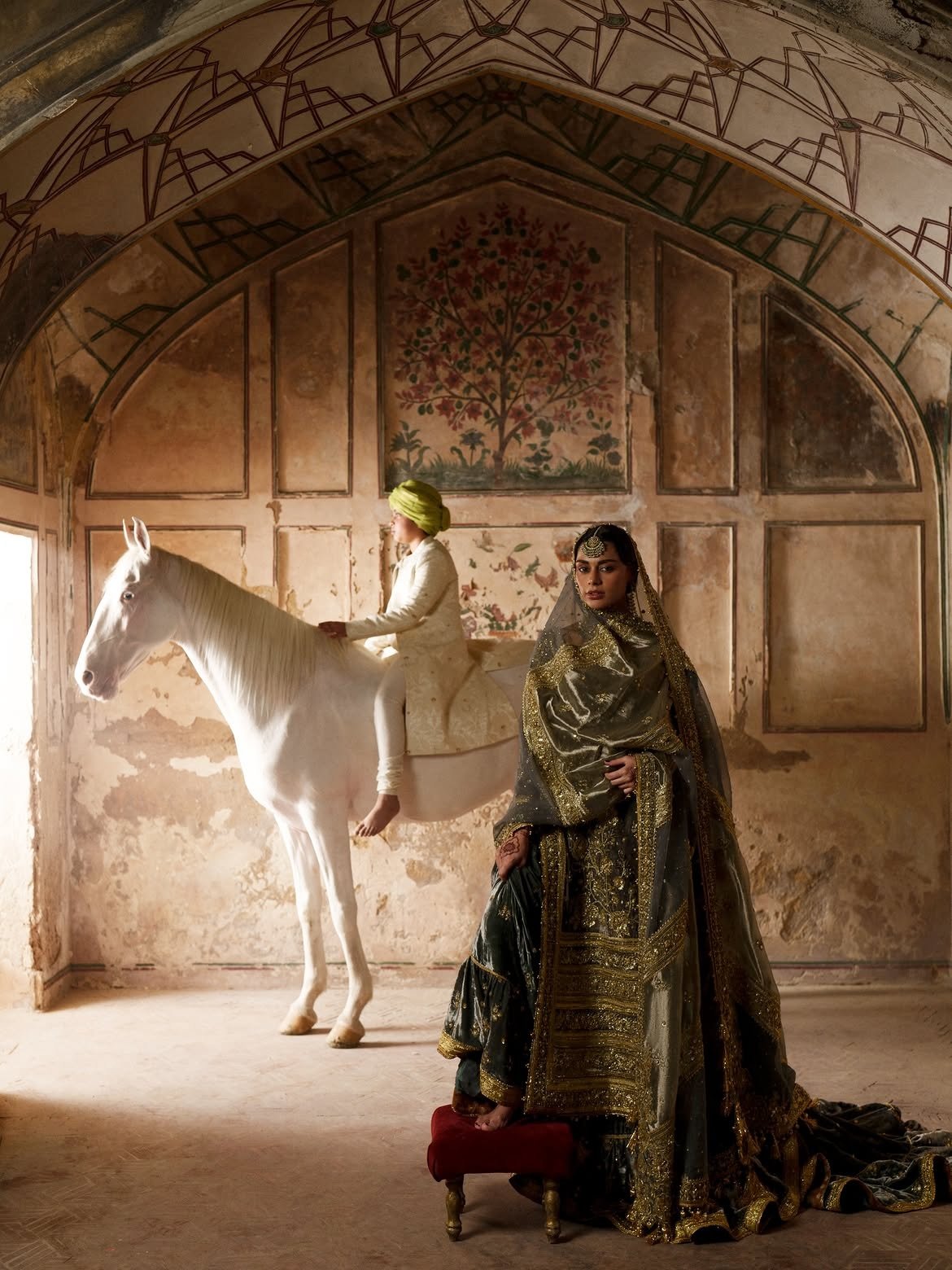
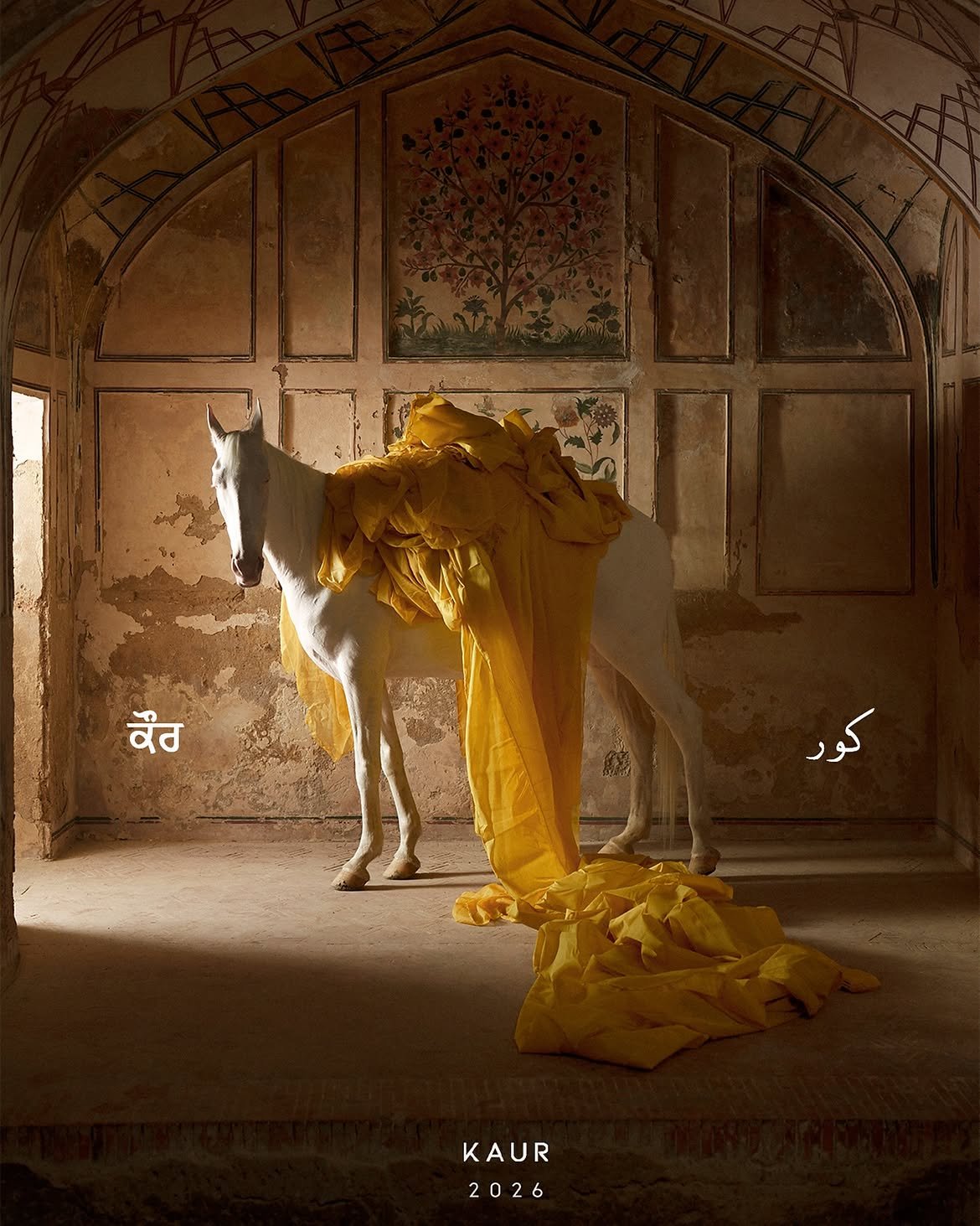
Ancestral Memory Beyond Time:
One of the campaign’s central ideas is the understanding of blood and life as archives. It suggests that memory is not limited to photographs, written histories or personal recollections, but can also exist through inherited experiences, relationships and cultural connections.
This perspective gives KAUR a dimension beyond conventional bridal storytelling. The campaign considers the relationship between individual identity and collective history, highlighting how personal narratives are often intertwined with the lives of those who came before.
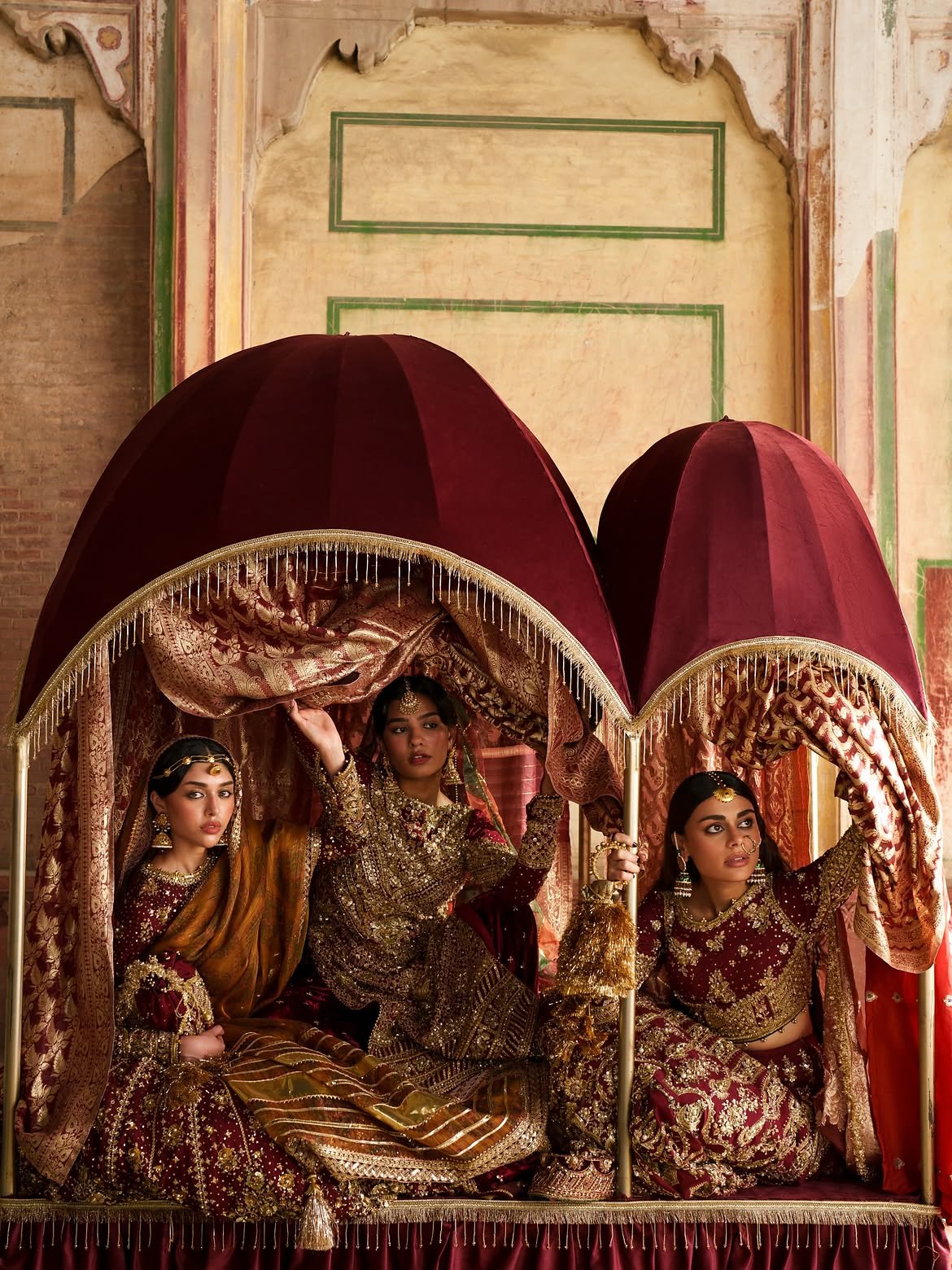
The Inheritance of Resilience and Strength:
The notion of memory being carried across generations also creates a meaningful connection between femininity and resilience. Every generation experiences its own circumstances, challenges and transformations, yet remains connected to the histories that have shaped it. KAUR explores this relationship through the lens of the Sikh feminine, bringing attention to the women and stories that exist behind contemporary expressions of identity.

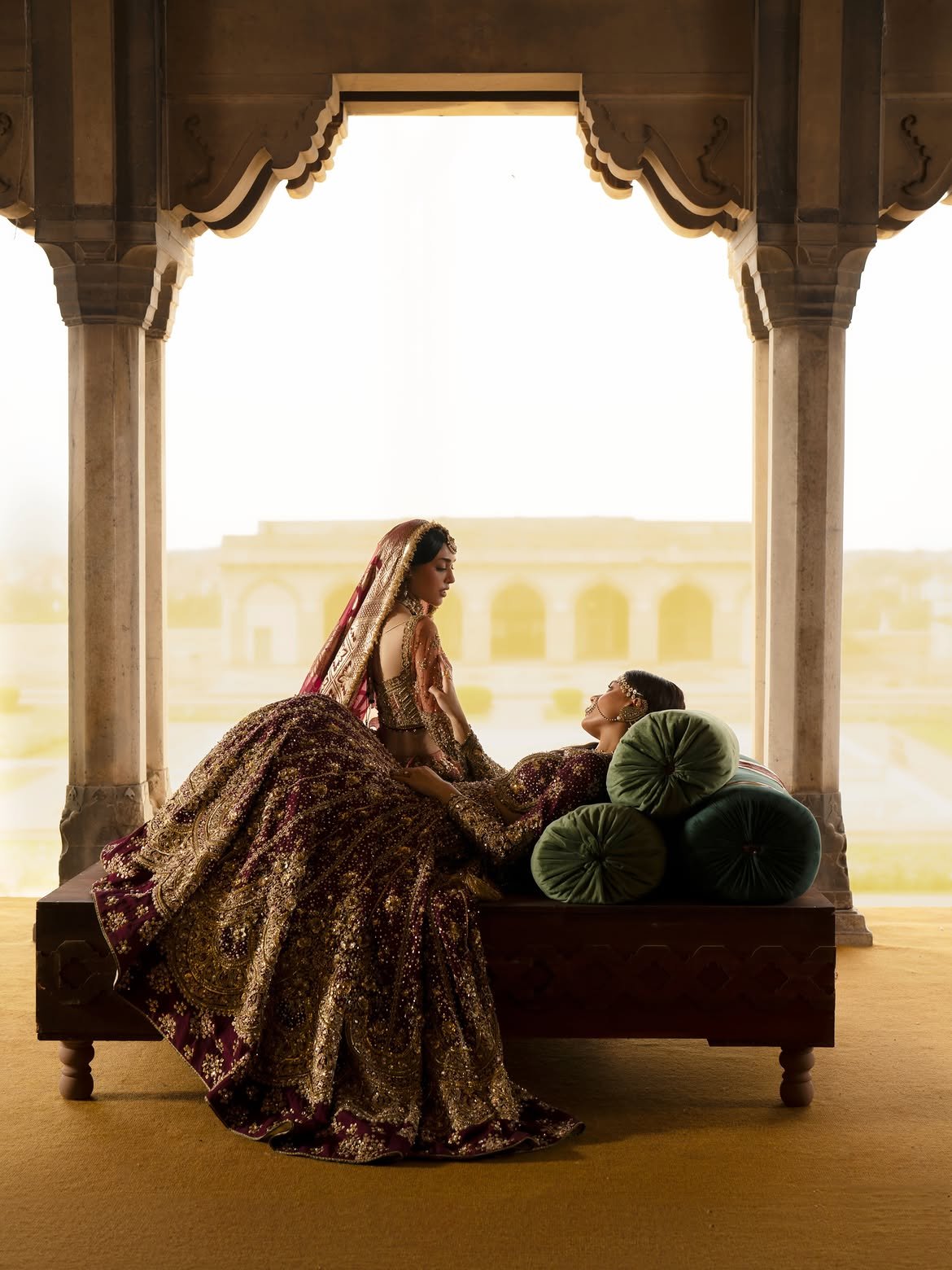
A Contemporary Conversation on Cultural Identity:
In an era when South Asian fashion continues to engage with questions of cultural representation and reinterpretation, KAUR introduces a narrative that places meaning alongside aesthetics. Its conceptual foundation encourages audiences to look beyond bridal fashion as a visual expression and consider the cultural and emotional histories that inform it.
The campaign’s visual language provides a framework for exploring heritage through imagery, femininity and cinematic storytelling. It invites a conversation about how fashion can become a medium for revisiting ancestral connections while creating expressions that speak to contemporary audiences.
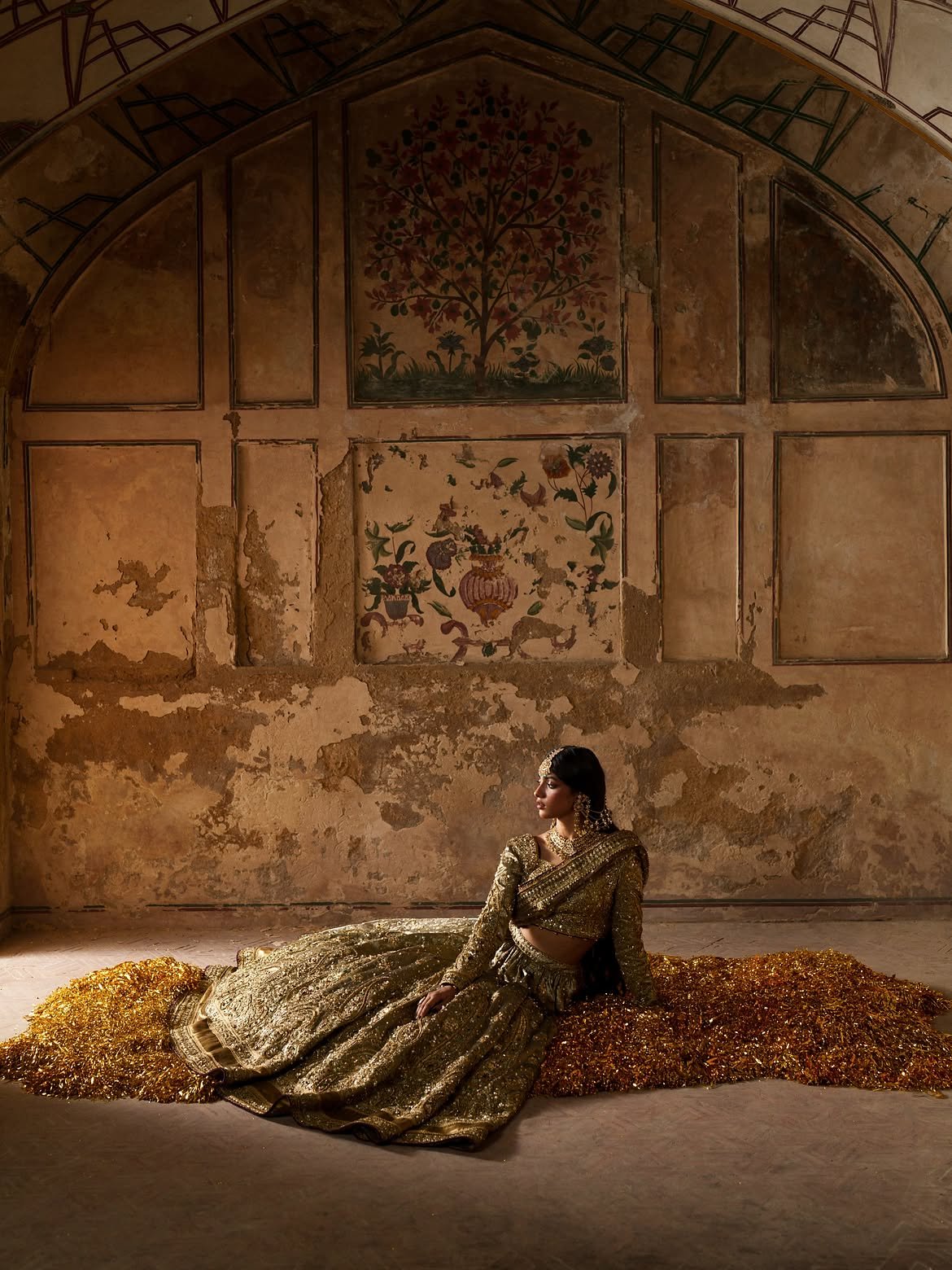
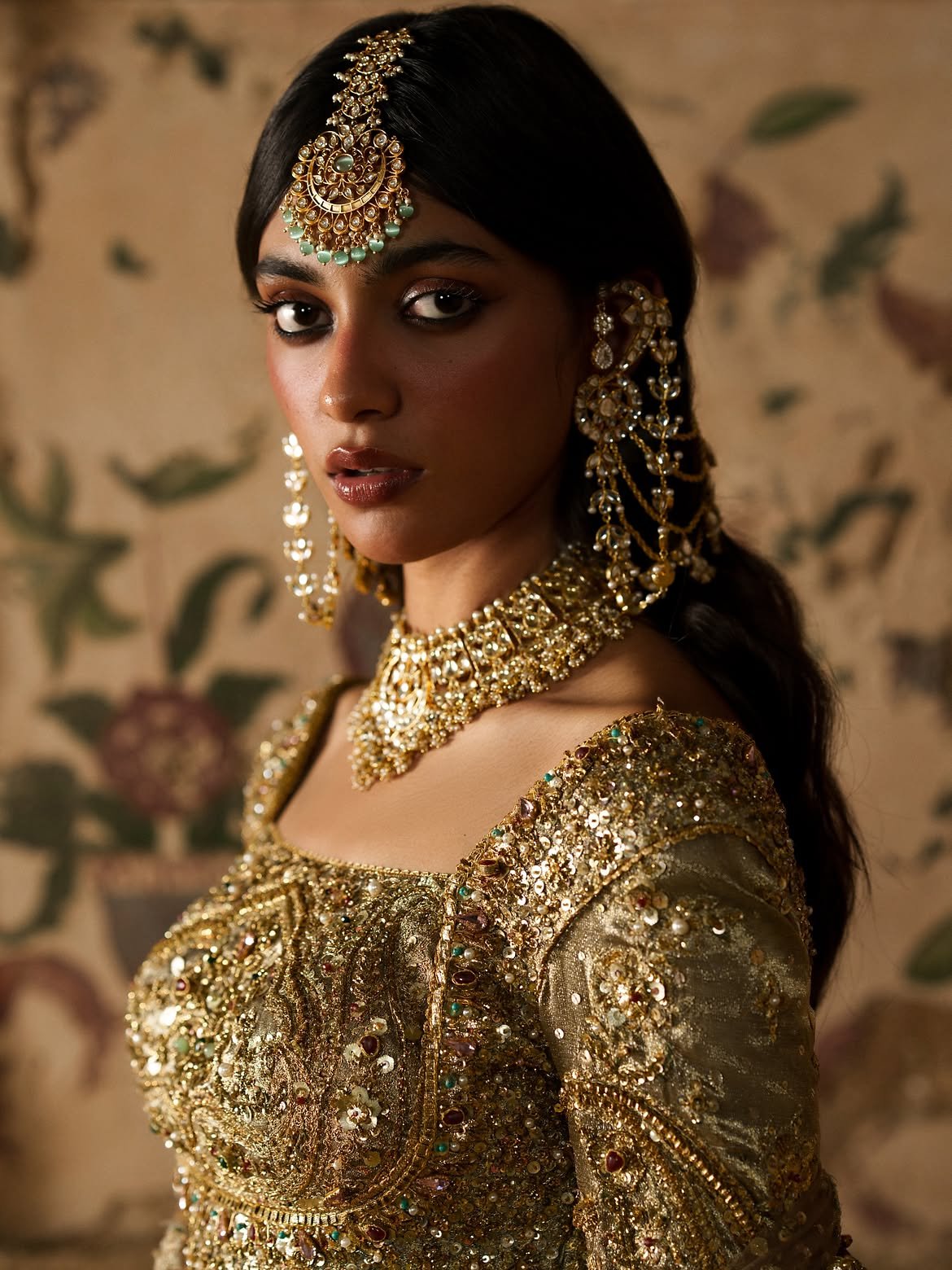
Connecting Ancestral Heritage with the Present:
With KAUR Bridals 2026, Mohsin Naveed Ranjha brings together the ideas of identity, memory and heritage in a narrative centred on the Sikh woman. The campaign reflects on a past that continues to shape the present, suggesting that the stories of earlier generations remain an integral part of who women become.
Ultimately, KAUR is conceived as more than a bridal fashion narrative. It is a visual and cultural investigation into the relationship between women, their inherited histories and the identities they continue to shape. Through this exploration, the campaign positions heritage not as a fixed memory of the past, but as a living legacy that moves across generations.