

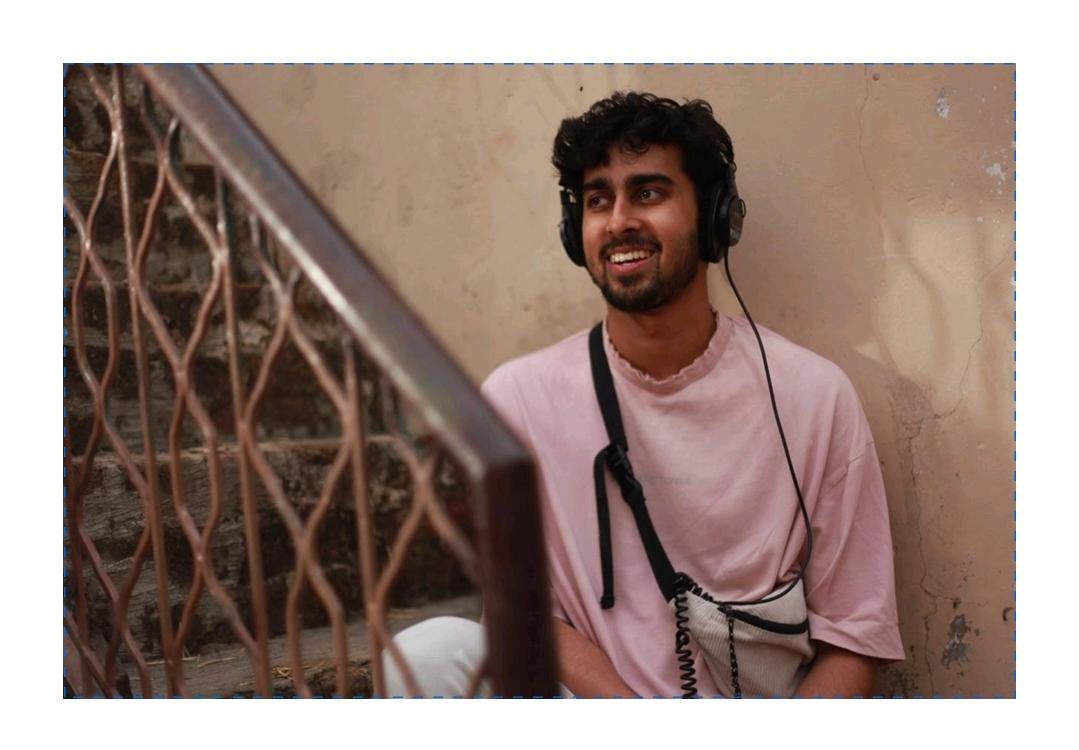

Shahmeer Madni did not enter the competition because it looked like the obvious next step in a carefully mapped out career.
In fact, that was part of the appeal.
He had just graduated and was looking for something that sounded fun. He had grown up watching YouTube, part of a generation that knew the platform before creators had production teams and millions of subscribers, before making videos online became an industry in its own right. But while the medium was familiar to him as a viewer, it was completely unfamiliar territory as a filmmaker.
Everything he knew how to make belonged to narrative film.
“That world was completely foreign to me as a maker,” he says, “which is exactly what made it interesting.”
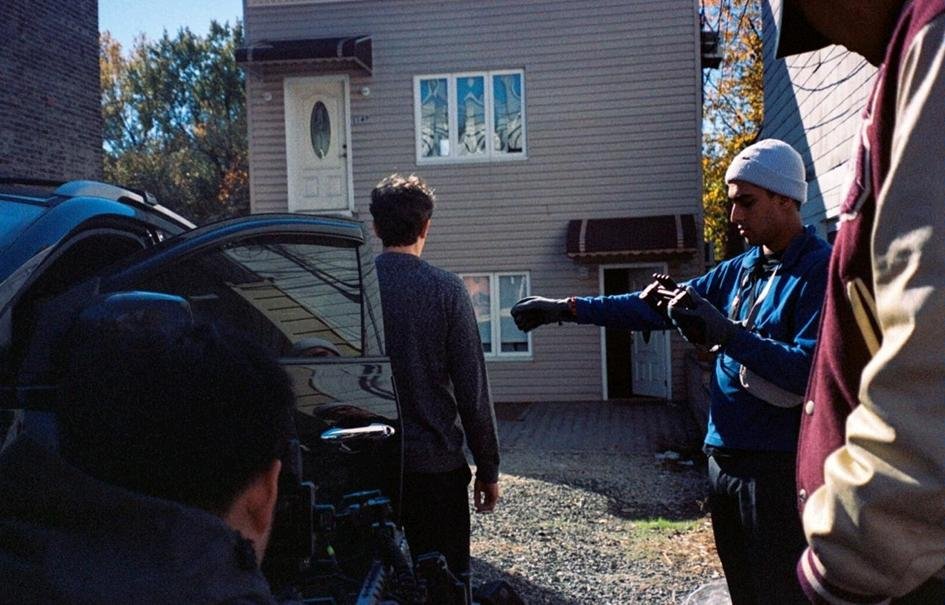
At the time, one of YouTube’s largest creators was putting together what was described as an “Avengers of editing”, building a team through an open competition. Shahmeer had already tried his luck with a short form editing role.
Nothing came of it.
When another opportunity appeared, his reasoning was considerably less ceremonious.
“Screw it, I’ll give it a shot.”
He did. Against 2,665 entrants from around the world, Shahmeer finished first.
The result took him to Los Angeles for a trial and eventually onto the editing team of a YouTube channel with more than 19 million subscribers. The videos he has edited during his time there have collectively attracted more than 100 million views.
It is a remarkable scale for someone whose other creative life is considerably more intimate.
Shahmeer writes and directs his own films, then sits down to edit them himself. His 2025 short Hide & Seek has received official selections at the Beverly Hills Film Festival, the Mirada Corta Short Film Festival in Spain and the New York Indie Shorts Awards. More recently, he completed Between Dust & Rain, a 16-minute magical realism film in Urdu and Punjabi, shot in Pakistan and currently on the international festival circuit, including a selection by an Academy Award qualifying festival.
Moving between those worlds has given Shahmeer an unusual relationship with his own material.
When a shoot ends, he does not necessarily rush to begin cutting.
He waits.
The problem is not that he has forgotten what he wanted. It is that he remembers too much.
A director knows which shot was difficult to get. He remembers the atmosphere on set, the effort behind a particular setup and perhaps the relief when something finally worked. Those memories can quietly influence what survives in the edit.
“The longer I stay away, the more I forget the shoot,” Shahmeer says, “until I can finally watch the footage for what it actually is instead of what it meant to me on the day.”
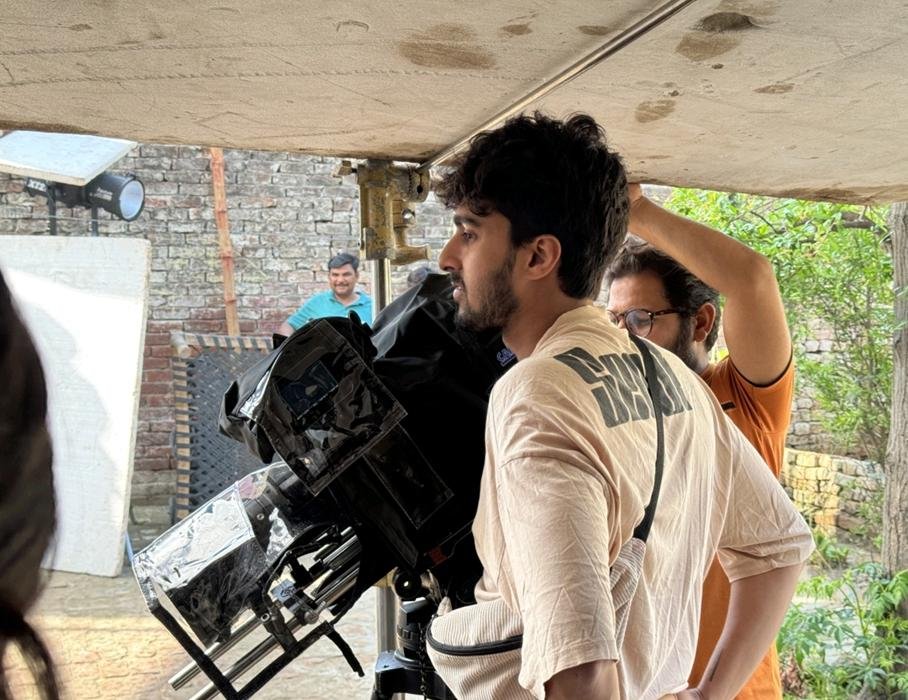
For someone who writes, directs and edits the same film, forgetting becomes an unexpectedly useful part of the job.
There is another peculiarity to the way he works. Shahmeer does not like judging a scene while it still feels unfinished.
He will add sound design himself. He will grade the image on his timeline. Only once the scene begins to resemble what an audience might eventually encounter does he feel comfortable deciding whether it actually works.
“I can’t reliably imagine what something will feel like once it’s finished,” he says. “I need to be about eighty percent of the way there before I trust what I’m looking at.”
It is not the romantic image of the filmmaker who can see the finished movie perfectly in his head before anyone else can. Shahmeer’s process appears to depend just as much on seeing, testing and reconsidering.
At work, that reconsideration is rarely solitary.

Three editors contribute to a video, which means Shahmeer may inherit a story already in motion and eventually has to hand it to someone else without breaking its momentum. A sequence cannot merely work within his section. It has to belong to the whole.
Fresh eyes become especially valuable.
After days spent with the same material, another editor can see immediately what the person inside the timeline may no longer notice. Scenes pass between editors, through revisions and eventually further up the chain until the team believes it has something worth putting in front of an audience.
For Shahmeer, this collaborative process sits alongside the far more personal experience of making his own films.
Between Dust & Rain places him in all three roles at once: writer, director and editor. There is nobody else’s original intention to interpret in the cutting room. The choices eventually lead back to him.
Yet his filmmaking is increasingly informed by an editing career operating at a very different scale. Working for a vast online audience has made questions of rhythm and attention impossible to ignore. Directing, meanwhile, has made him think more carefully about what an editor will eventually need before the footage even exists.
Neither world appears to have replaced the other.
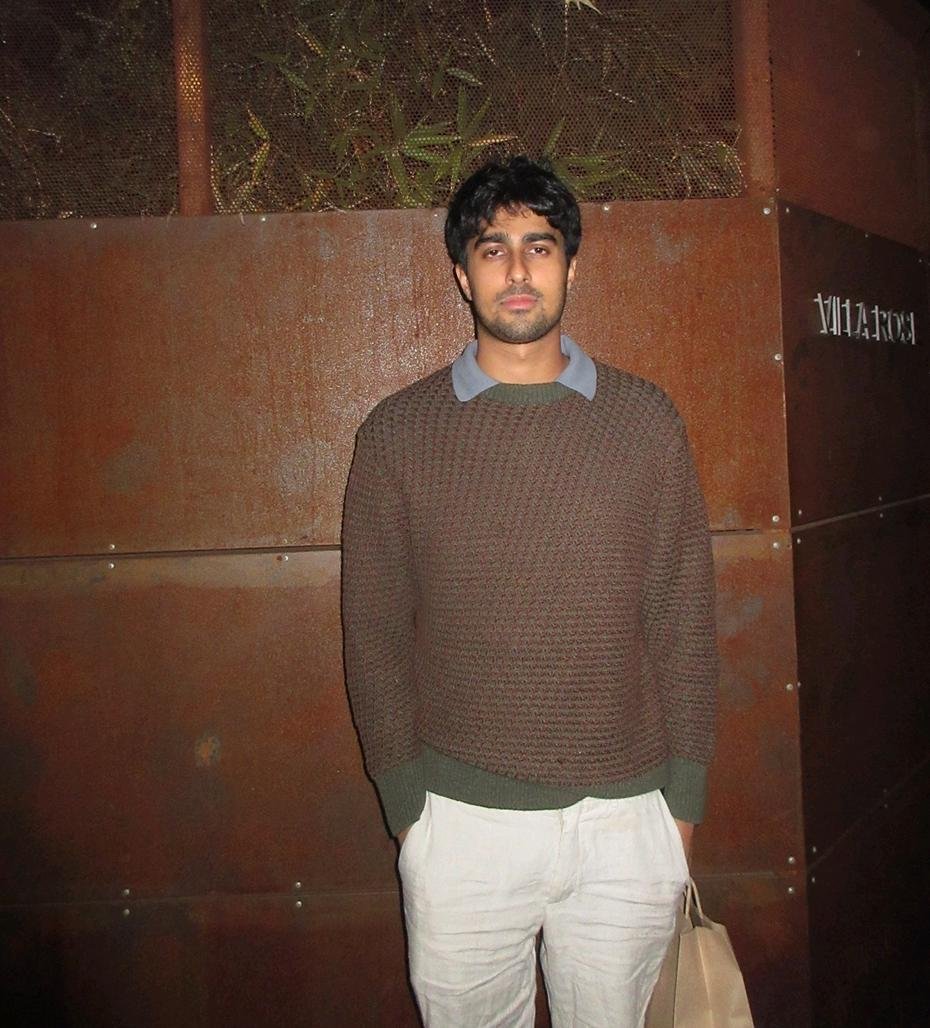
That feels important to Shahmeer’s story. The competition could easily be treated as the defining moment: an open call, thousands of entrants, an unexpected win and a flight to Los Angeles.
Instead, it looks more like an opening.
Since then, Shahmeer has continued cutting work seen on an enormous scale while quietly building a body of films under his own name. Hide & Seek moved through festivals. Between Dust & Rain followed. Now he is developing his first feature film.
There is no finished timeline for that yet.
For someone who once entered an unfamiliar corner of filmmaking largely because it seemed interesting, perhaps that is precisely the point.
