

The morning begins with the aroma of freshly baked bread drifting through narrow stone streets. A shopkeeper pauses to exchange greetings with neighbours, while an elderly woman tends to colourful flowerpots outside her centuries-old home. There are no hurried itineraries or crowded queues just the unhurried rhythm of village life. It is a side of Türkiye that many travellers rarely see, yet one that leaves some of the most lasting impressions.
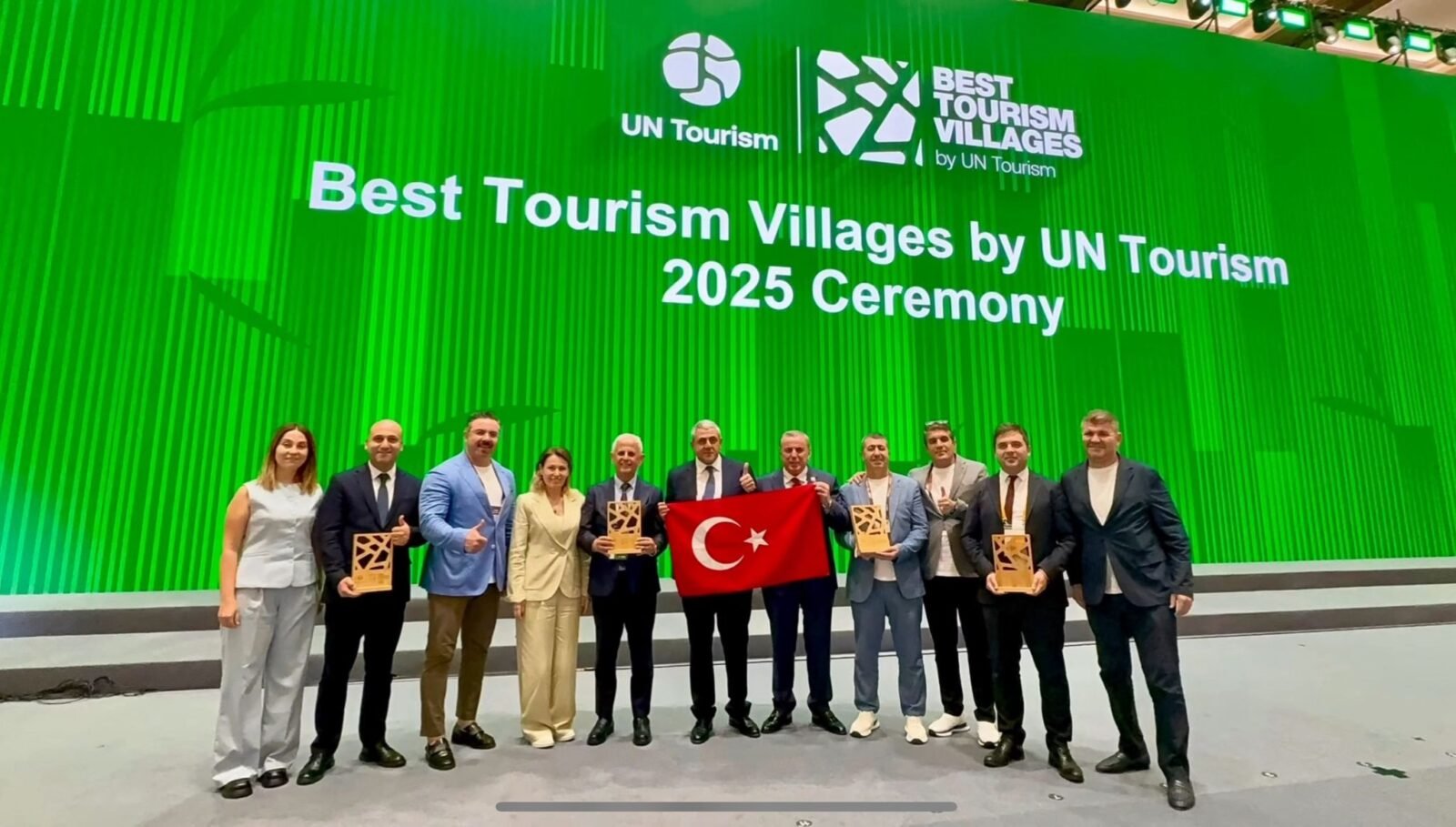
While destinations such as İstanbul, Cappadocia and Antalya remain favourites among Pakistani travellers, Türkiye’s smaller villages offer a chance to experience the country beyond its famous landmarks. Recognised under the UN Tourism Best Tourism Villages programme, these communities preserve local traditions, architecture and ways of life that have remained largely unchanged for generations.
Near the Aegean’s pearl İzmir, the village of Barbaros welcomes visitors with its honey-coloured stone houses and a tradition known as Çat Kapı, where guests are invited to enjoy home-cooked Aegean dishes prepared with seasonal ingredients. Those arriving during the annual Oyuk (Scarecrow) Festival will find the streets dotted with imaginative handmade figures that transform the village into an open-air celebration of local creativity.
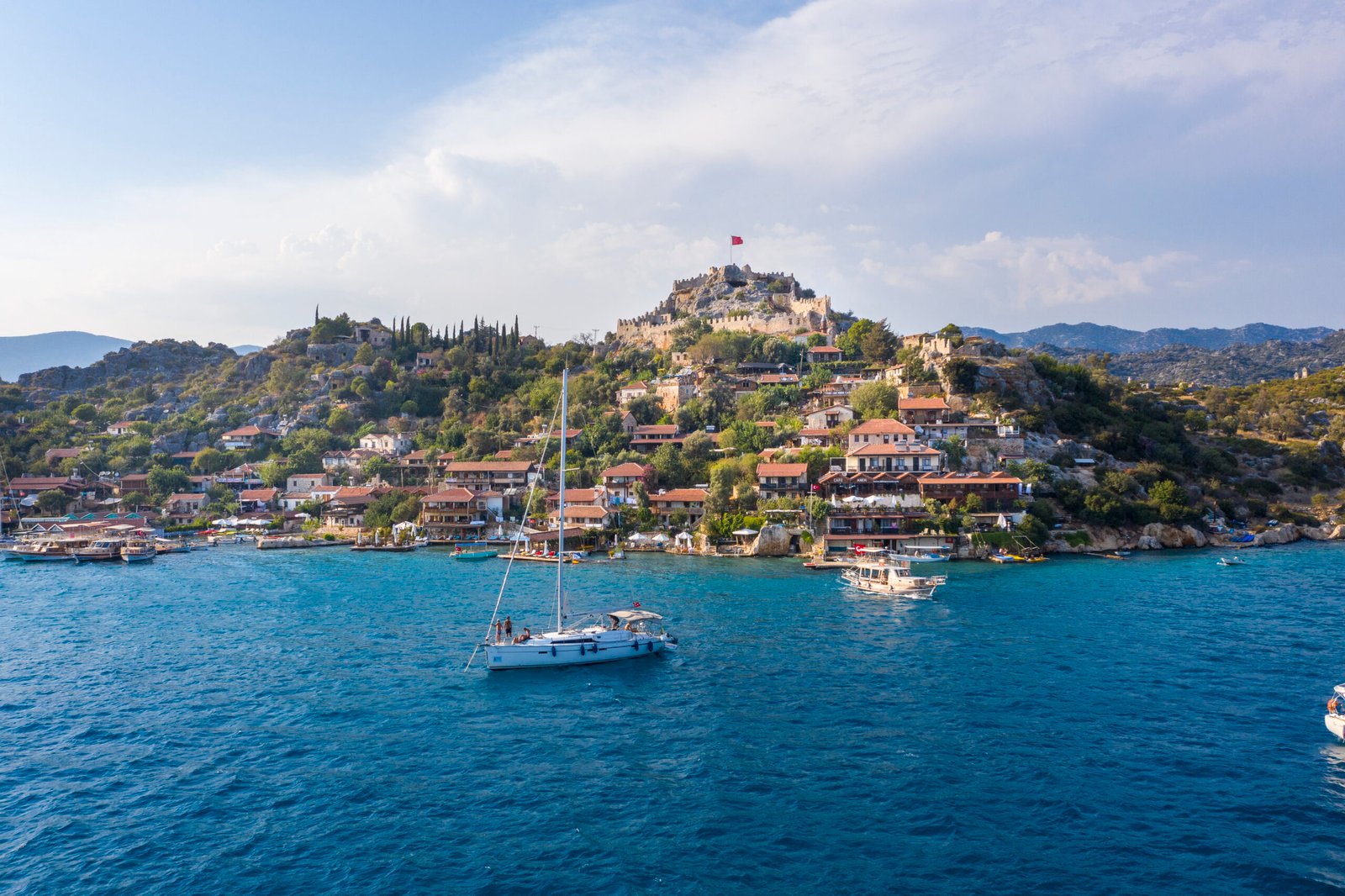
Following the Mediterranean coastline leads to Kale Üçağız, where fishing boats bob gently in crystal clear waters beneath the ruins of a medieval fortress. Here, history and nature exist side by side, and the nearby Lycian Way offers spectacular walking trails overlooking secluded coves and ancient landscapes. A little further inland, surrounded by the Taurus Mountains, lies Ormana, known for its distinctive button houses, traditional Gılamık silk weaving and farm-to-table cuisine that reflects the region’s agricultural heritage.
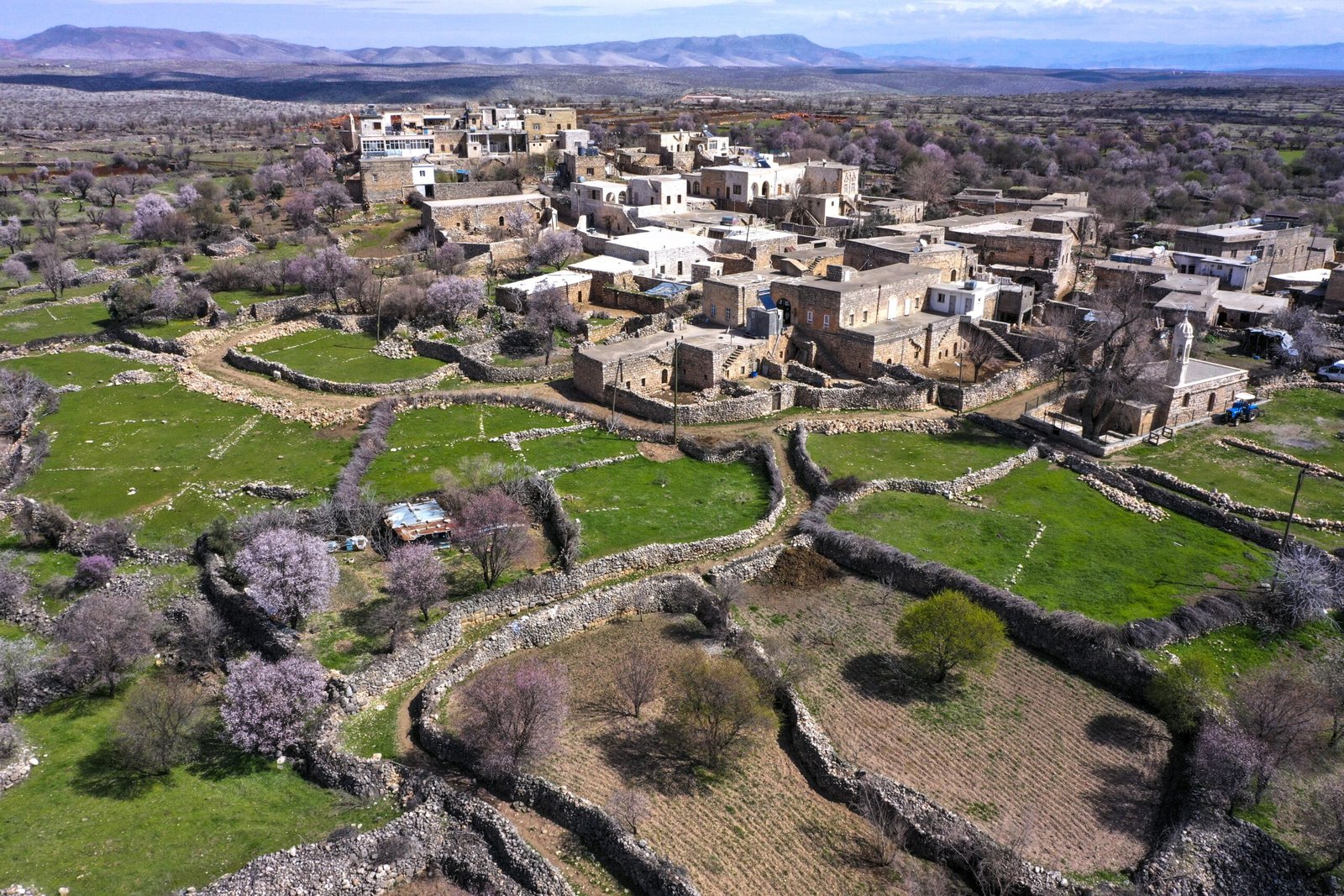
Türkiye’s remarkable cultural diversity is perhaps best illustrated in Anıtlı, a peaceful village in Mardin’s historic Tur Abdin region, located in the country’s southeastern corner. Stone-built homes, centuries-old monasteries and the enduring traditions of the Syriac community offer a glimpse into a heritage shaped over millennia. A visit to the nearby Mor Gabriel Monastery, one of the world’s oldest functioning monasteries, reveals a chapter of history that few international visitors expect to encounter.
For Pakistani travellers, these villages are easily incorporated into a broader itinerary after exploring İstanbul or Antalya. Spring and autumn offer pleasant weather for leisurely walks, local festivals and outdoor experiences, while village guesthouses provide an opportunity to enjoy regional cuisine and genuine hospitality away from busy tourist centres.
Travel often becomes a race from one landmark to the next, measured by photographs rather than memories. Türkiye’s villages offer a different perspective, one where conversations linger over shared meals, traditions are woven into everyday life and the journey is defined not by how much you see, but by how deeply you experience the place.