
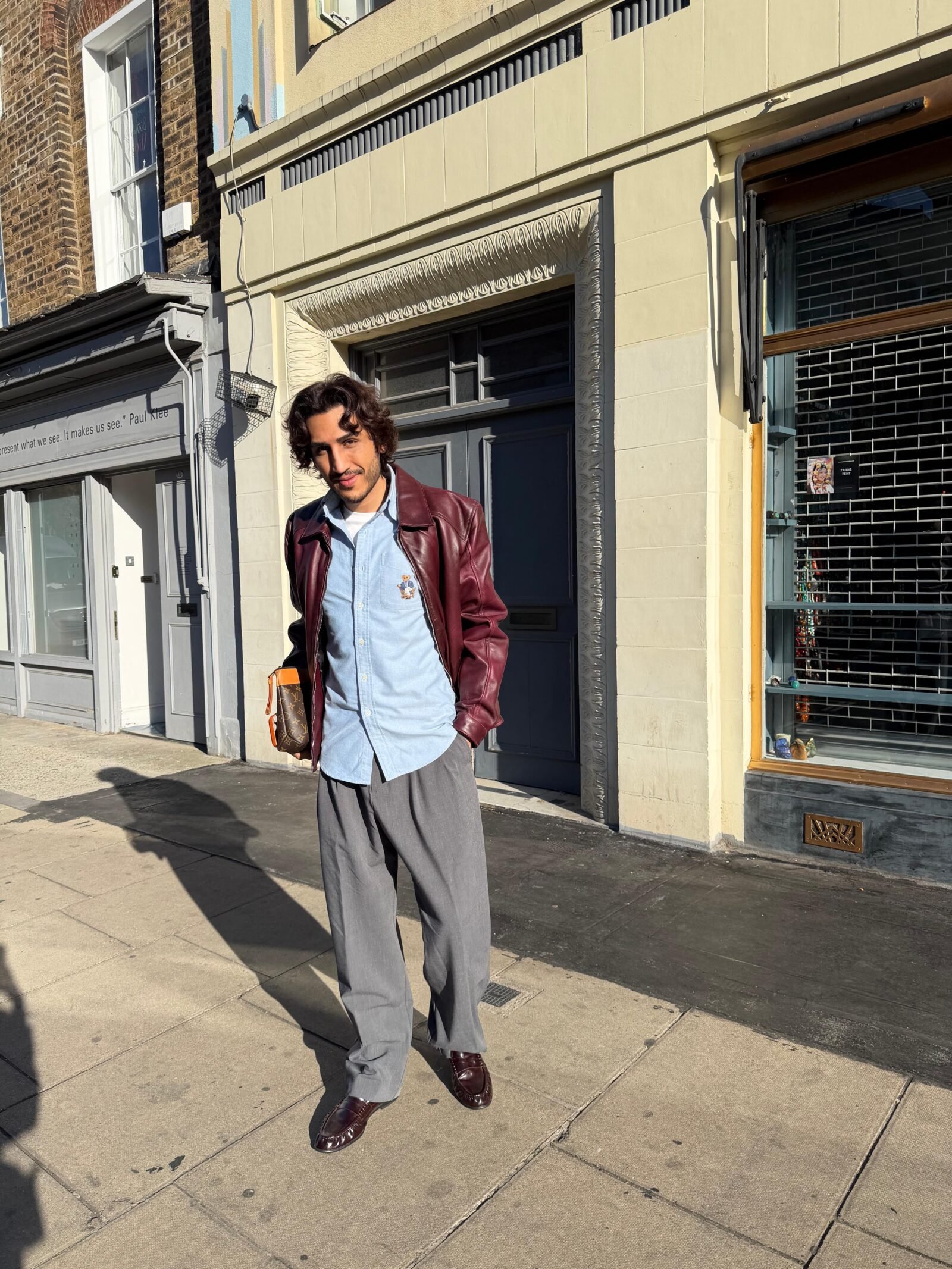

A conversation on celebrity image-making, personal style, cinema, cultural identity and the evolving craft of fashion styling.
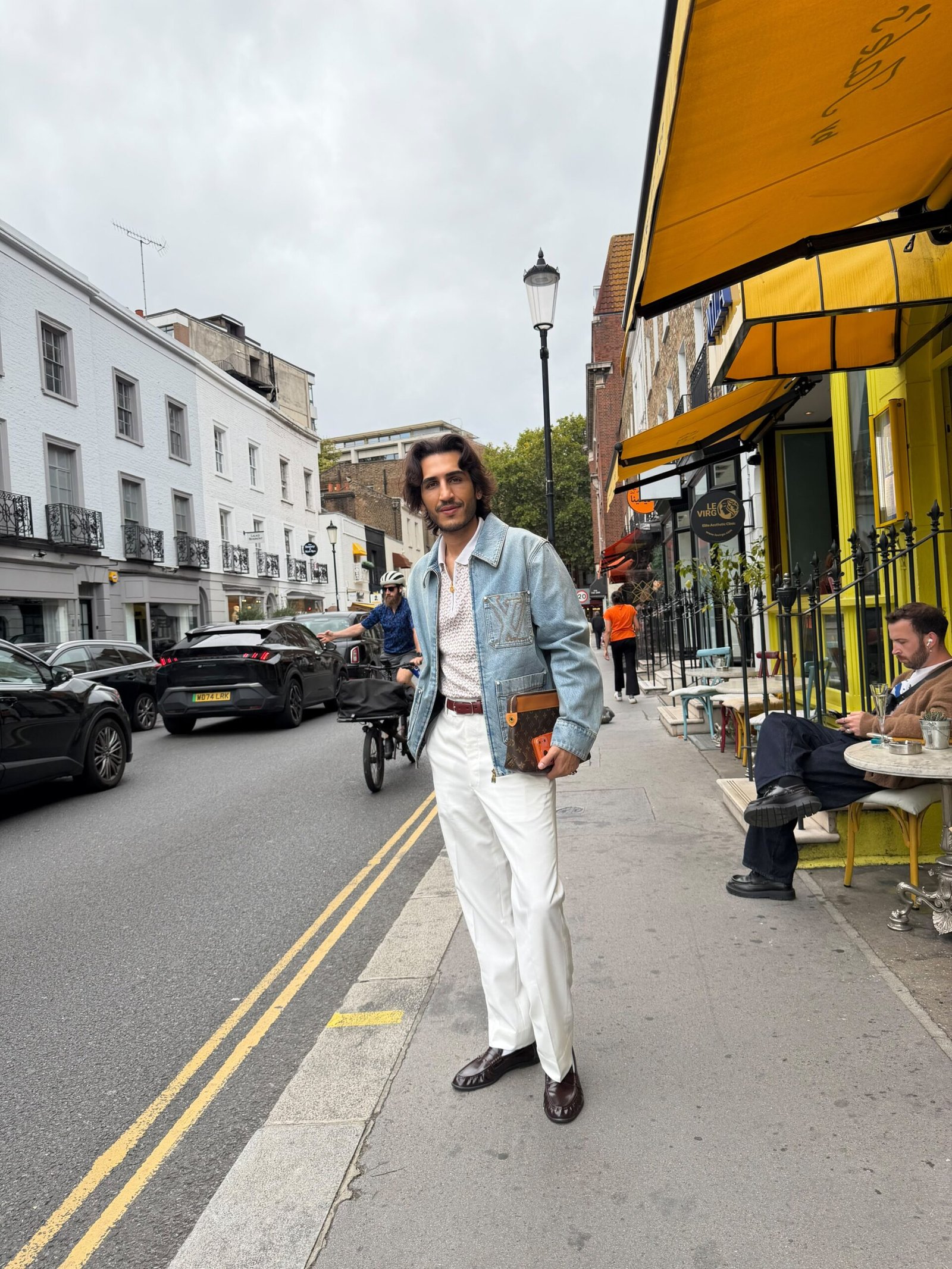
Q1: A celebrity’s image exists somewhere between who they actually are and who the public believes them to be. As a stylist, where do you draw the line between dressing the person and constructing the persona?
Ans: I’m not in the business of disguising people; I’m in the business of revealing them—sometimes even revealing a side of them they didn’t know was there.
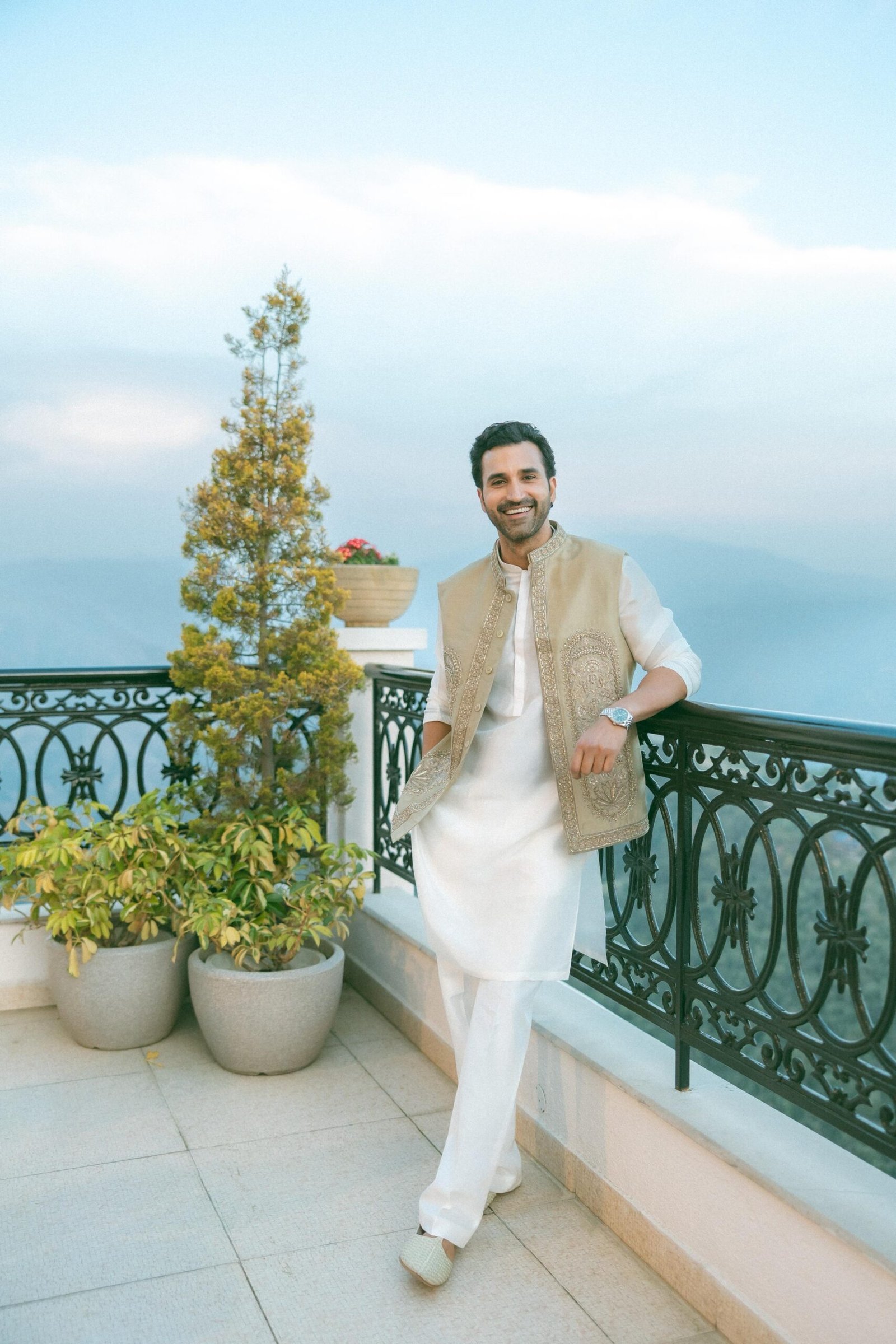
Q2: You’ve worked with actors who already have an incredibly established visual identity. When you work with someone like Fawad Khan, do you see your role as protecting an existing language of style, or challenging it and introducing a new chapter?
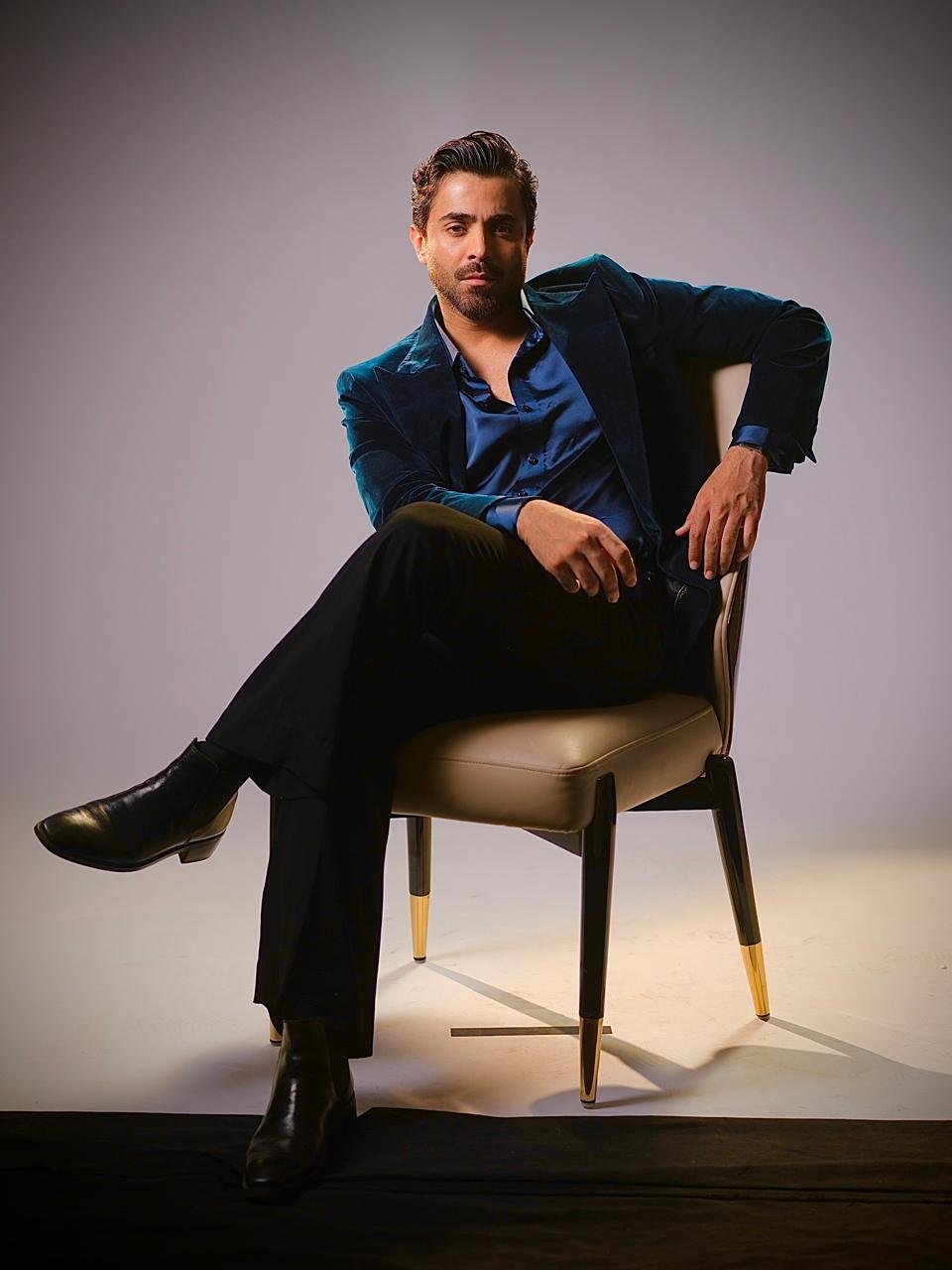
Ans: With someone like Fawad, I think it’s a combination of both. When an actor has such a strong and recognisable visual identity, you don’t come in and erase it—you understand why it works. Fawad has an innate sense of restraint, elegance and masculinity, and I think it’s important to protect those qualities because they are authentically him. But I also don’t believe a celebrity’s image should ever become a museum piece. There has to be evolution. My role is to find the next version of that person without losing what made the original so compelling.
With Fawad, I’m always looking for that tension between familiarity and surprise. The audience should look at him and immediately recognise Fawad, but there should also be something that makes them think, ‘I haven’t seen him like this before.’ That could be the silhouette, the proportion, the attitude, the level of formality, or simply taking a risk he hasn’t taken previously. I think the best styling doesn’t announce that a transformation has happened. It makes the evolution feel inevitable. You look at the finished image and think, ‘Of course he can look like that.’ That, to me, is when you’ve successfully created a new chapter without betraying the character of the person.
A celebrity’s image should never become a museum piece.
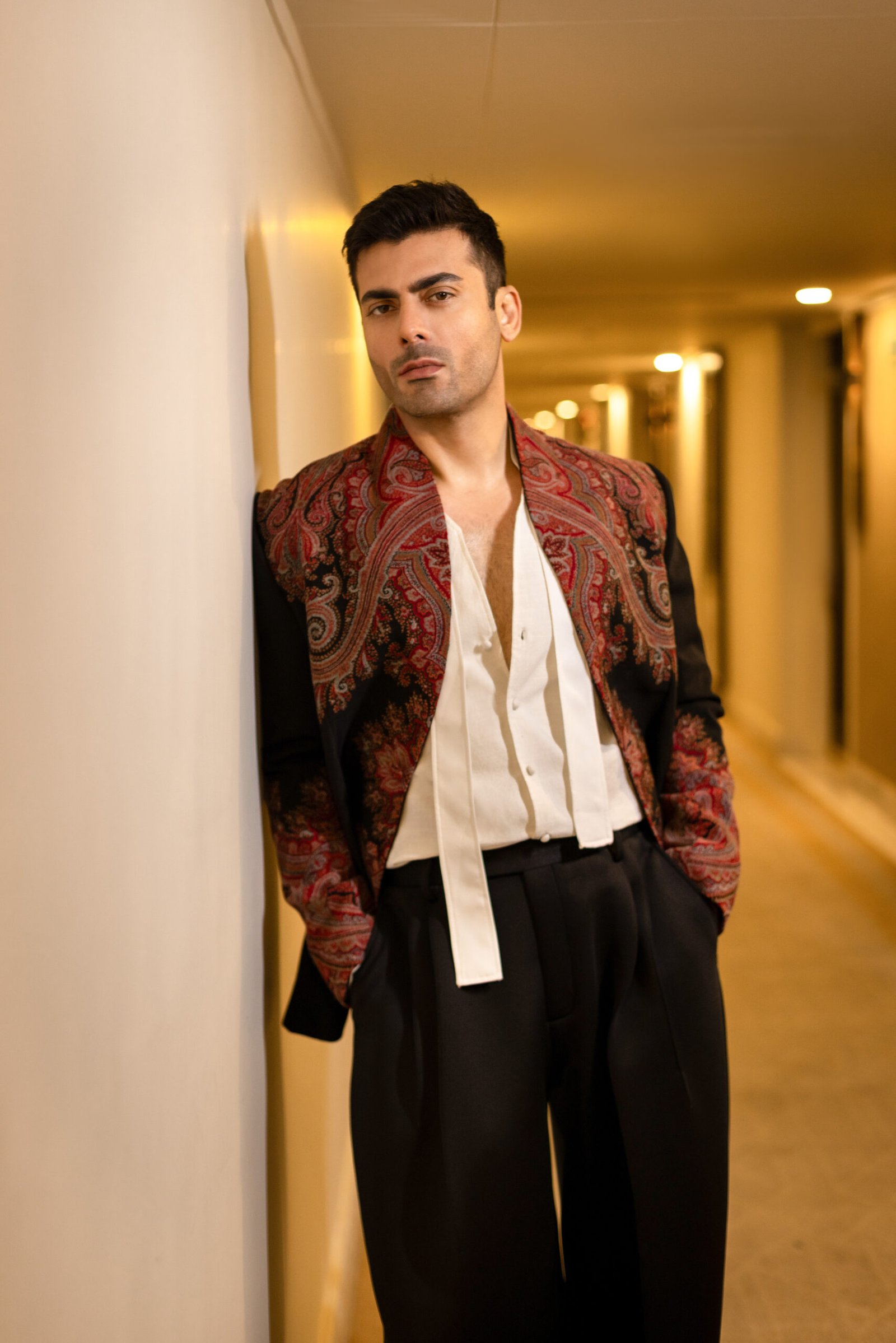
Q3: What separates a great stylist from someone who simply has access to beautiful clothes? Is styling ultimately about taste, storytelling, psychology, or the ability to understand people?
Ans: Access is the easiest part. Beautiful clothes are everywhere, but knowing what to do with them is the real skill. I think a great stylist needs all of those things—taste, storytelling, psychology and, above everything else, an understanding of people.
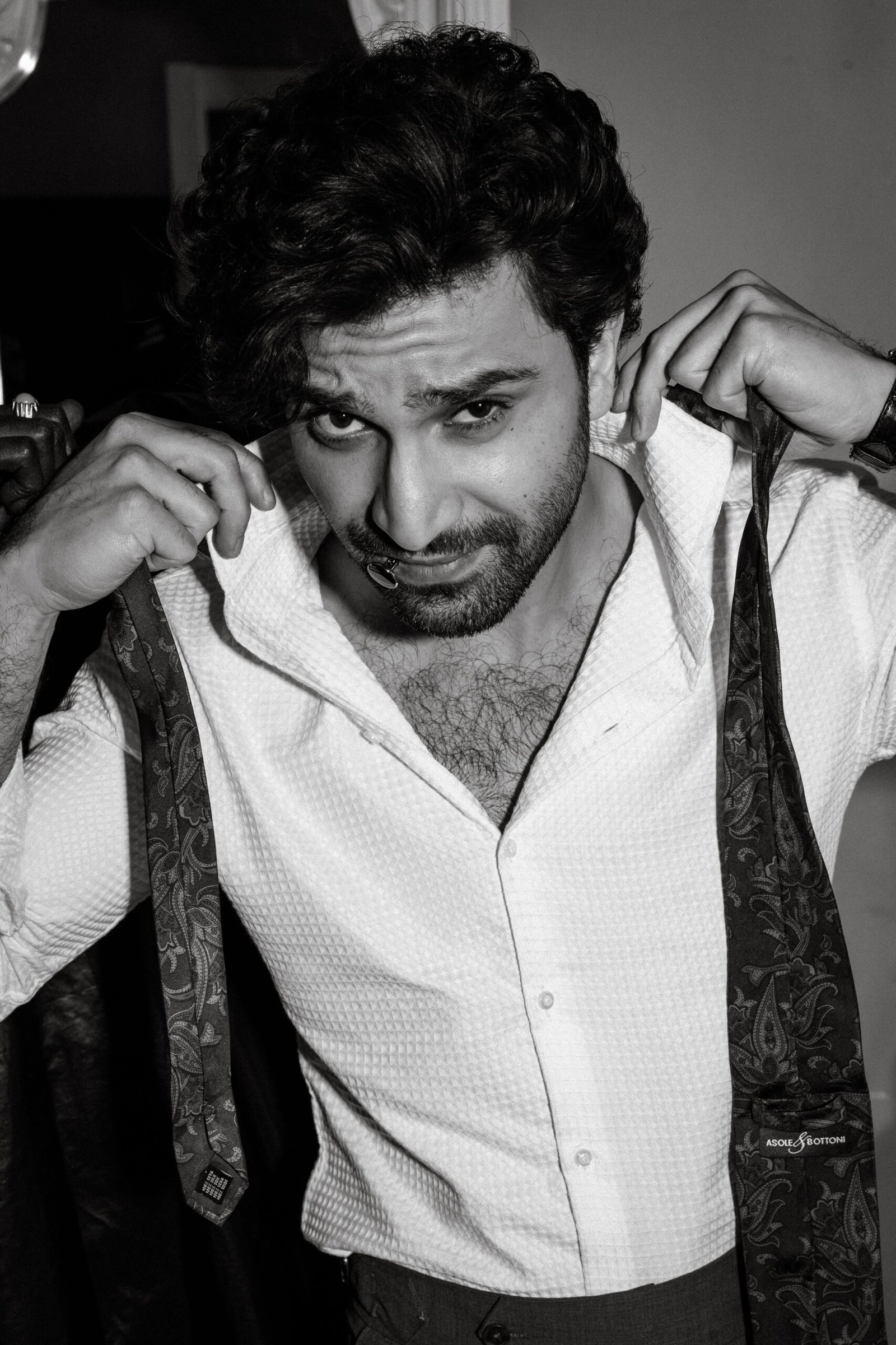
Taste is instinct. Storytelling gives the clothes a purpose. Psychology allows you to understand the person wearing them. And then there’s the ability to edit—which I think is one of the most underrated skills in fashion. Knowing what not to put on someone can be just as important as knowing what to put on them. I can look at a beautiful piece and know immediately that it isn’t right for a particular person, even if it’s objectively extraordinary. The question is never simply, ‘Is this beautiful?’ It’s ‘Does this belong to them?’ Does it communicate something about who they are, where they are in their career, what they want to say, and how they want to be perceived? And you have to understand the person beyond the clothes. Some actors become more powerful when you give them confidence and restraint; others need to be pushed into something unexpected. You have to know when to listen to their instincts and when to challenge them. Ultimately, I think great styling is the art of making something highly considered look completely instinctive. If someone walks into a room and the clothes are screaming louder than the person, I haven’t done my job. The clothes should become part of the person’s story—not the entire story.
Q4: Film styling is fundamentally different from fashion-editorial styling because clothes have to serve a character, a narrative and an entire visual universe. What did working on a Bollywood film teach you about styling that fashion shoots never could?
Ans: Film taught me that clothes cannot exist in isolation. In fashion editorial, you can create an image that lasts for one frame. In film, the clothes have to live with the character. They have to move through different scenes, different emotional states, different locations and different points in the story, while still feeling like they belong to the same person.
Working on Abir Gulaal was particularly interesting because Fawad’s character is a London-educated, affluent young man. I didn’t want to dress him in an exaggerated idea of ‘Britishness’ or make him look like he had stepped out of a period film. The brief was much more nuanced: British classicism, but interpreted through a contemporary eye.
His wardrobe had to communicate privilege and education without looking like he was trying to prove either. So we worked with classic British codes—beautiful tailoring, refined knitwear, clean shirts, understated layering and strong outerwear—but kept the silhouettes and styling modern. There was a quietness to the wardrobe that was very intentional. That’s what film taught me: sometimes the most important thing a costume does is what the audience doesn’t consciously notice. You’re telling them who this person is before he has even spoken. His clothes can tell you where he comes from, how he lives, what he values and even what kind of confidence he has. And perhaps the biggest difference is that in film, you’re not styling Fawad Khan—you’re styling the character. You have to temporarily forget the celebrity and ask, ‘Who is this man?’ Once you understand that, the wardrobe almost becomes another layer of the screenplay.
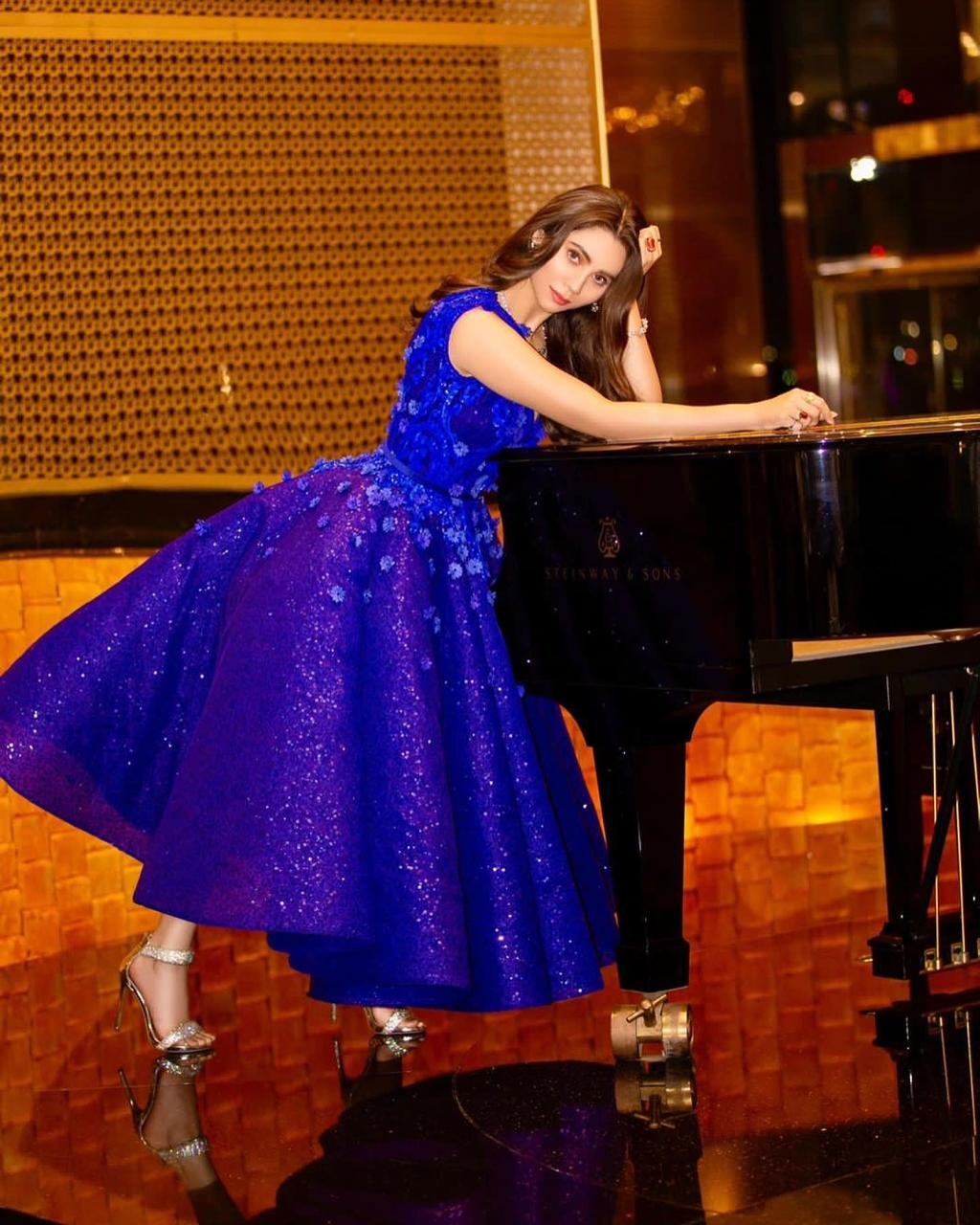
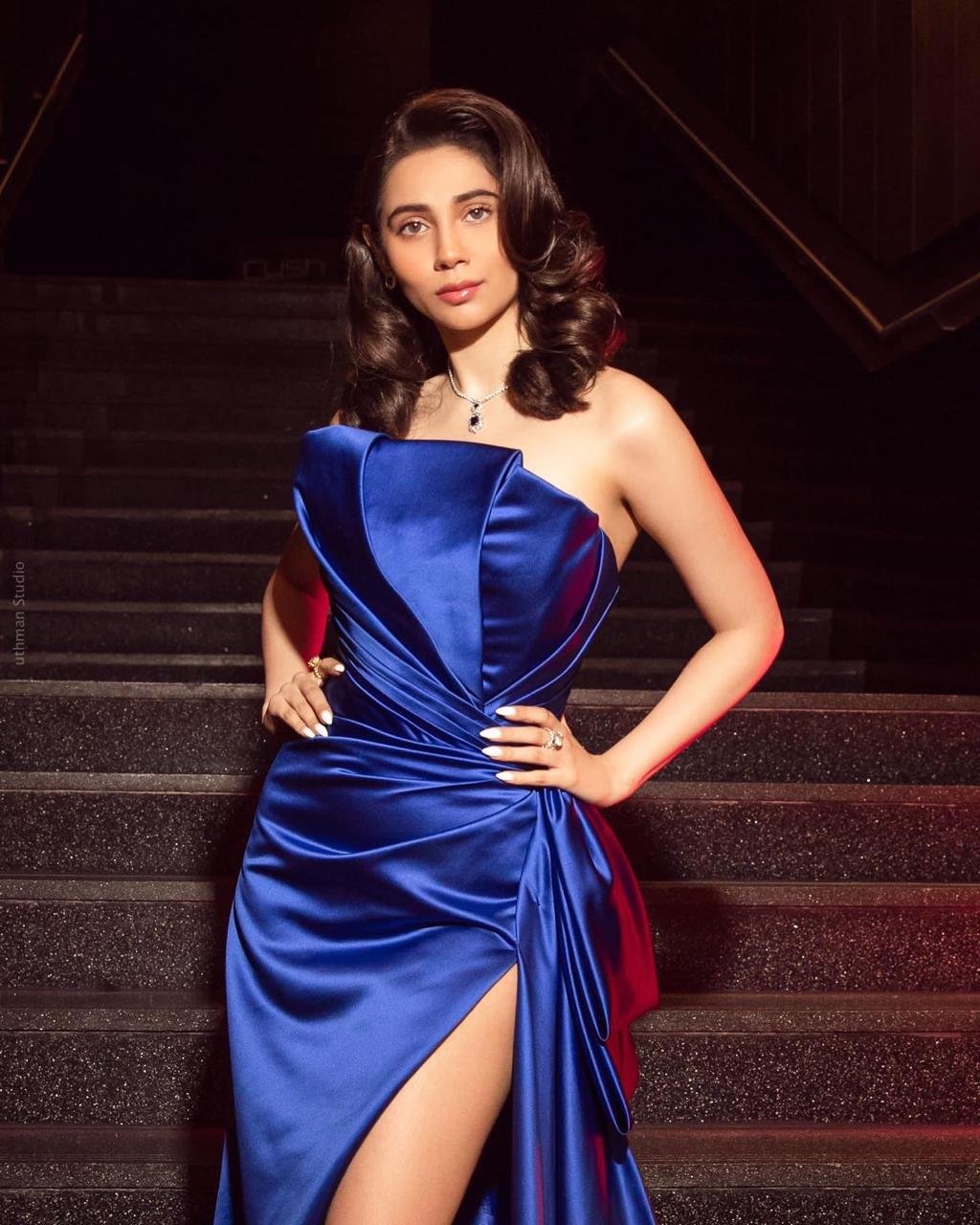
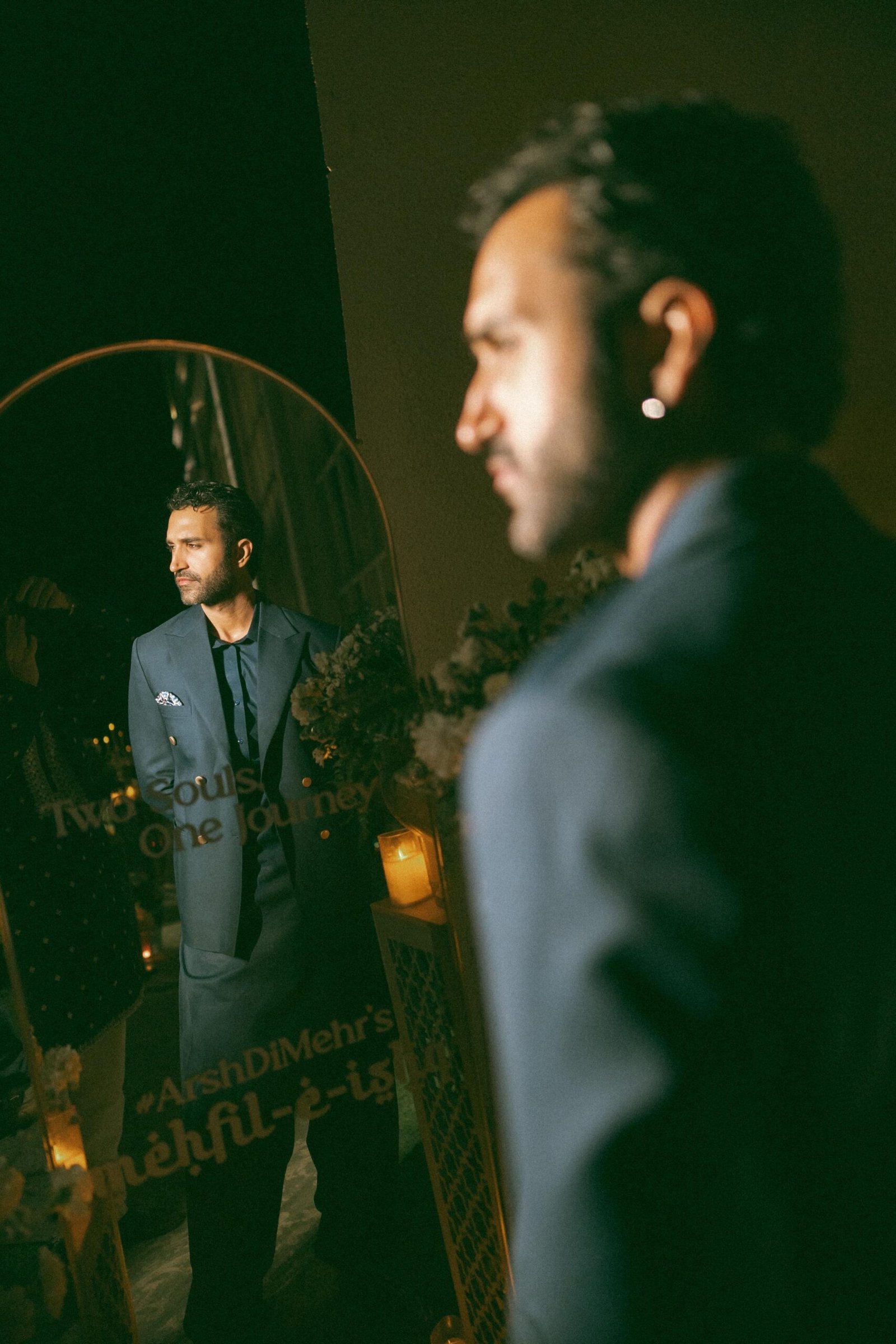
Q5: South Asian celebrity fashion often oscillates between aspiration and imitation. Do you think our industry is developing its own visual vocabulary, or are we still borrowing heavily from Western and Indian pop culture?
Ans: I think borrowing is inevitable, and actually, I don’t see it as a negative thing. Fashion has never existed in a vacuum. I take inspiration myself from people like Ryan Gosling, Jacob Elordi, Timothée Chalamet, Tom Holland and Austin Butler, and within Bollywood I really appreciate Ranbir Kapoor’s approach to dressing. But there’s a very big difference between being inspired by someone and trying to recreate their image.
The references are global now, whether we like it or not. A young actor in Pakistan is seeing the same runway shows, films, red carpets and Instagram images as an actor in London or Mumbai. So I don’t think the answer is to pretend those influences don’t exist. The challenge is to filter them through our own culture, personality and reality.
I think Pakistani celebrity fashion is developing its own vocabulary, but it’s still evolving. We have an incredibly rich visual heritage—our tailoring, textiles, embroidery, craftsmanship and relationship with colour—but contemporary menswear and celebrity dressing are still finding their language. For me, the interesting question isn’t, ‘Is this Western?’ or ‘Is this Indian?’ It’s, ‘Does this feel authentic to the person wearing it?’ I might take the relaxed confidence of Ryan Gosling, the youthful experimentation of Jacob Elordi, or the classicism of Ranbir Kapoor as a reference point, but I would never want to reproduce them on a Pakistani actor. I want to take the idea, deconstruct it and rebuild it for that individual. Ultimately, I think a strong South Asian visual identity will emerge when we stop worrying so much about whether something is Western or Eastern and start becoming confident enough to make the references our own.
Q6: There’s an interesting psychological relationship between clothing and performance. Do you believe the right clothes can actually change the way an actor inhabits a character—or even change how they behave in front of a camera?
Ans: Absolutely. I think clothes can be a form of acting before the actor even says a word. The right costume can change posture, movement, confidence and even the way an actor relates to the camera. When an actor puts on a costume that feels completely connected to the character, something often shifts instinctively.
That was very important to me when I worked with Sheheryar Munawar on Pehli Si Mohabbat. He was playing a young boy from a lower-middle-class background, so the challenge was to make his wardrobe feel completely believable without making it visually boring. I wanted the clothes to have personality, but not look like a stylist had walked into the character’s life. The fabrics, silhouettes, repetition and small details had to feel like things this particular young man could realistically own and wear.
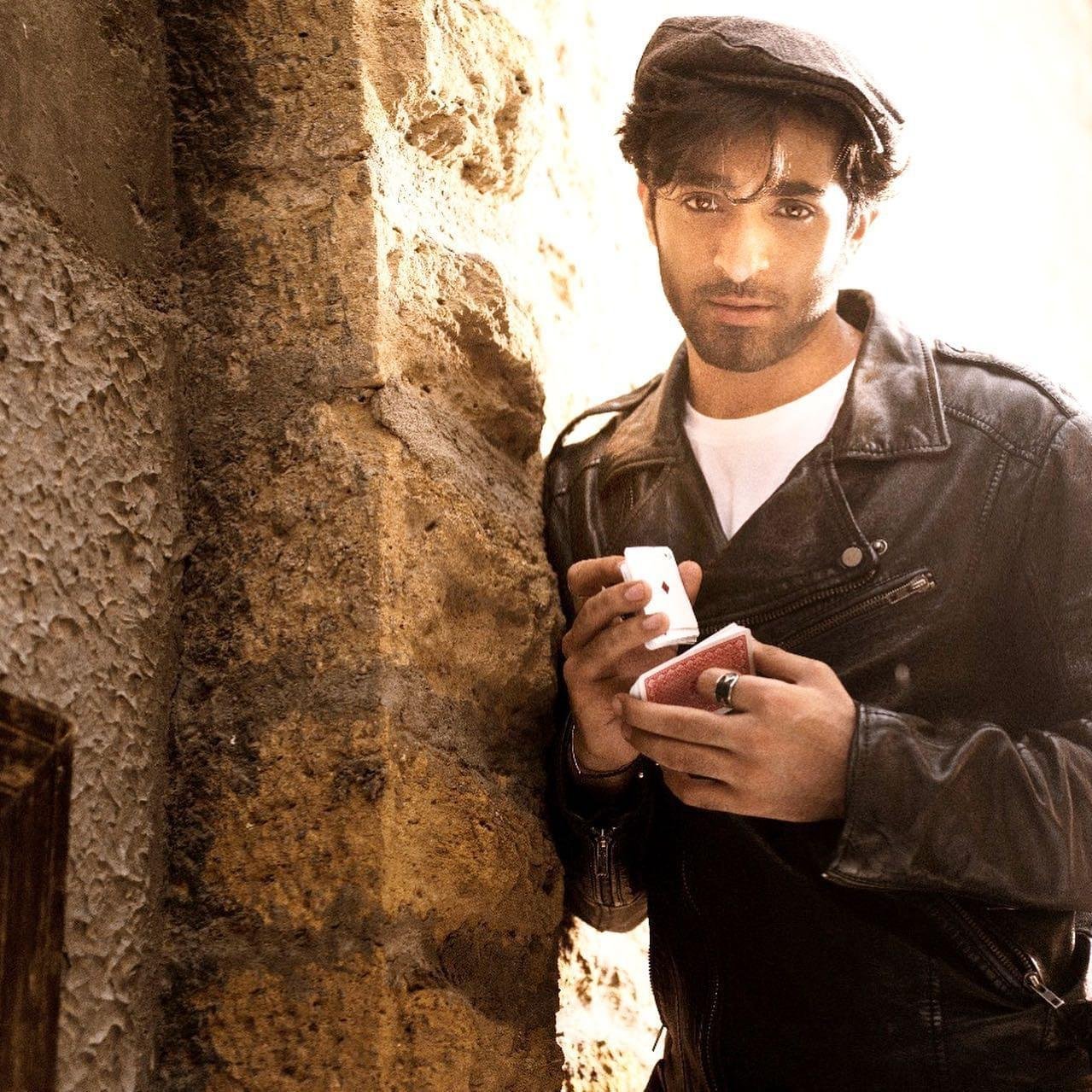
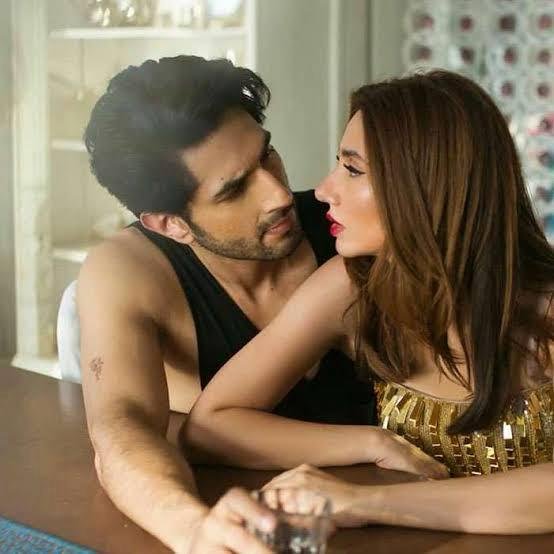
Then you have the opposite situation with Bilal Ashraf in Superstar, where he was playing a Bollywood star. There, glamour was part of the character’s psychology. The clothes needed to have presence, because this was a man who was accustomed to being looked at. With Mahira in Superstar, costume was also a storytelling device. Her wardrobe evolved with her character—from someone relatively ordinary into a major star. You could almost see her transformation through the clothes: the silhouettes became more sophisticated, the styling more confident, and the visual language became increasingly glamorous.
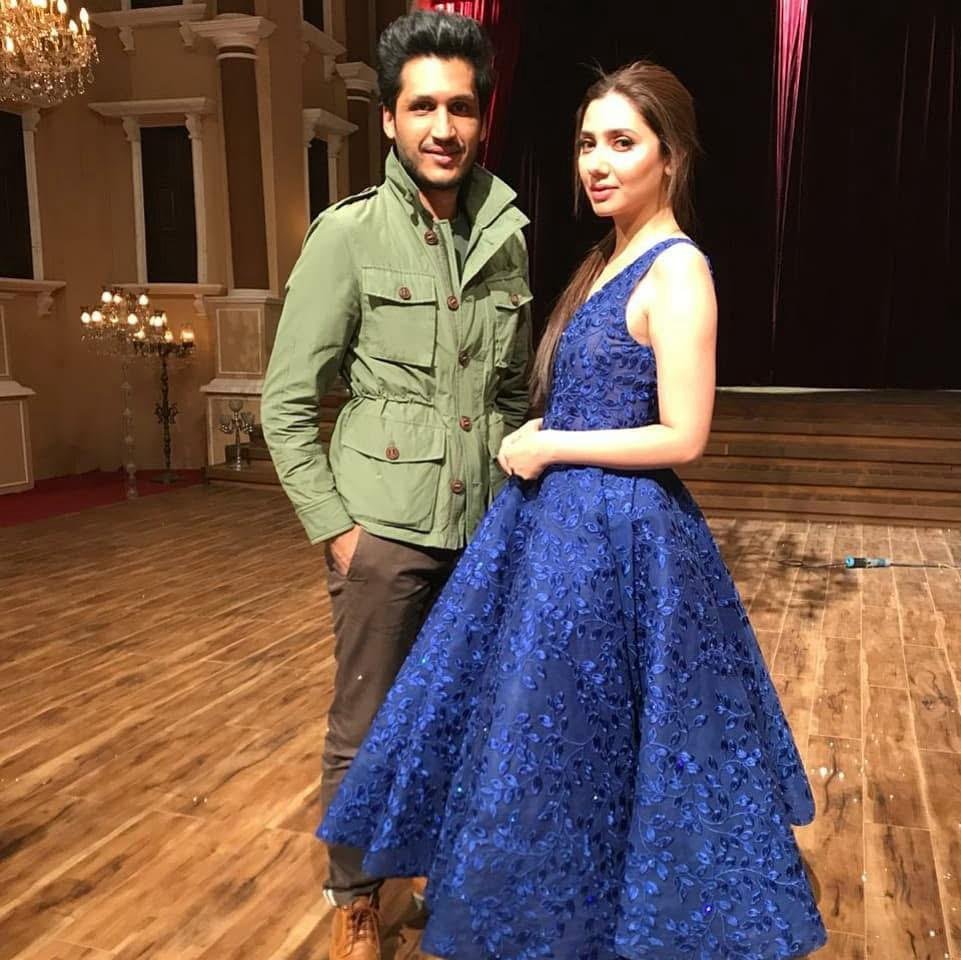
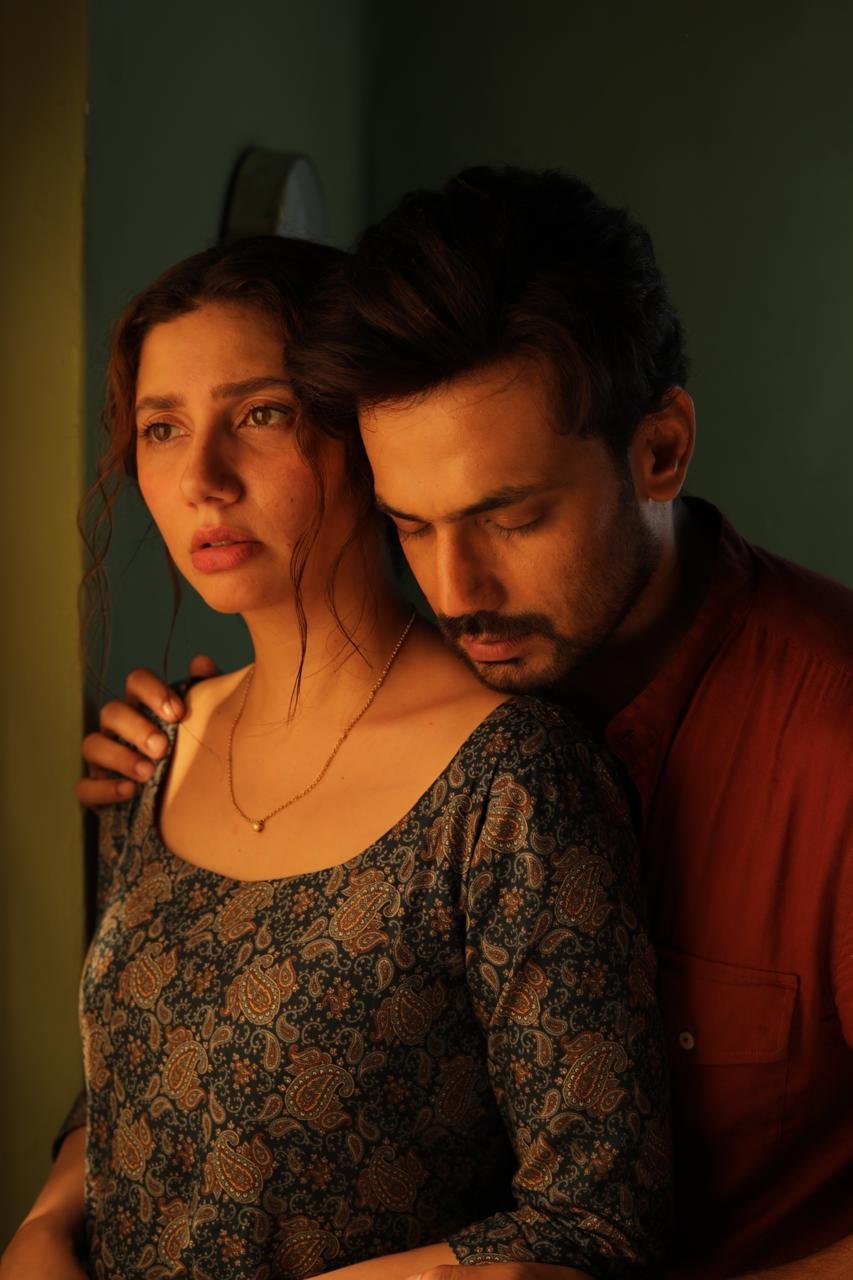
And with Mehwish Hayat in Daghabaaz, I used more structured, beautifully fitted silhouettes to give her that cinematic glamour while still respecting who the character was. The clothes needed to feel ‘filmy’, but they couldn’t feel disconnected from the woman playing the role. That’s why I think costume design is so powerful. You’re not simply asking, ‘What looks beautiful on this actor?’ You’re asking, ‘What would this character choose? How does this person move? What does their clothing tell us about their circumstances, their ambition and their emotional state?’
Sometimes an actor doesn’t need to be told to behave differently. You put them in the right clothes, they look in the mirror, and suddenly they understand the character a little differently. That moment is incredibly powerful.
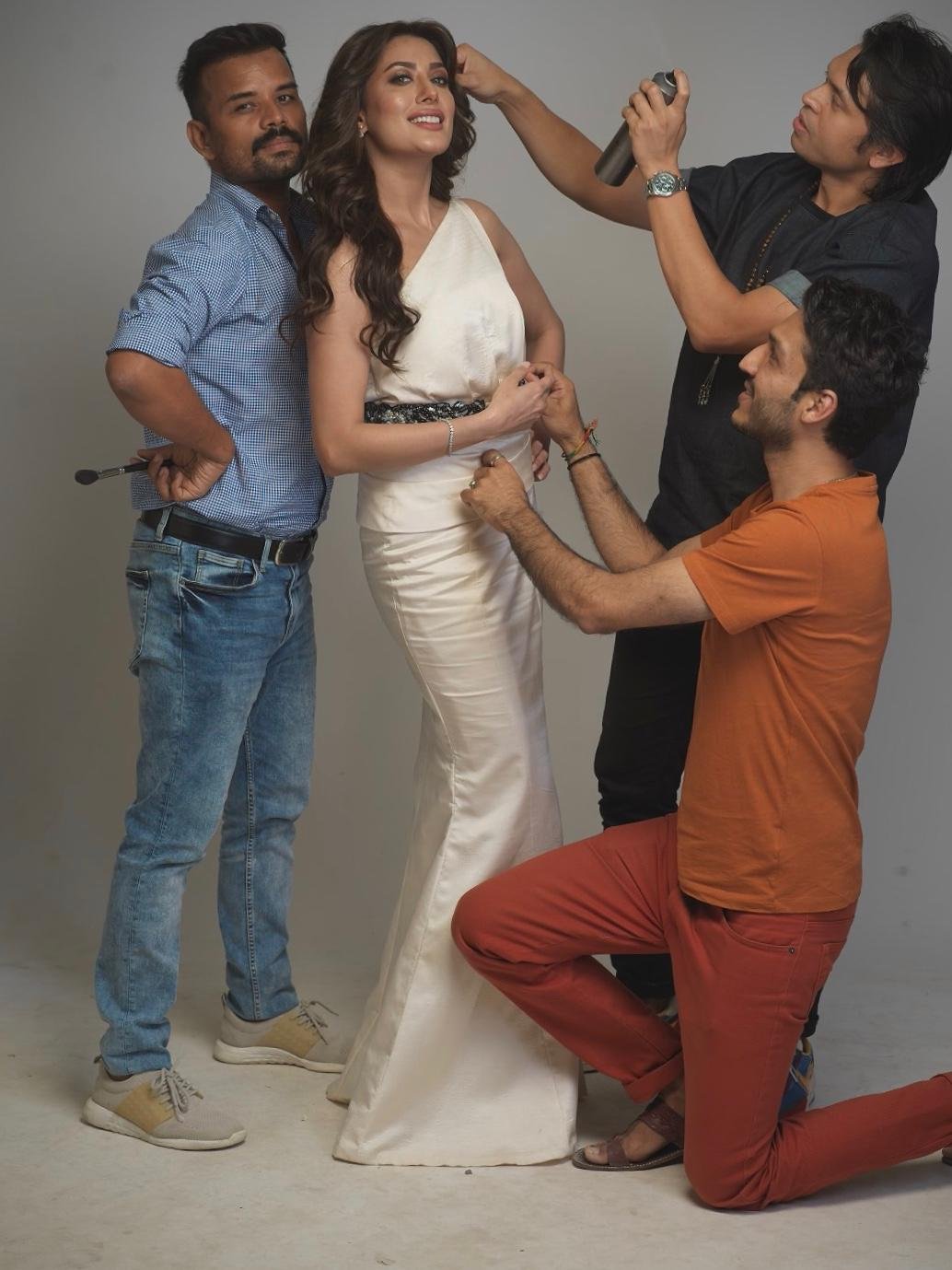
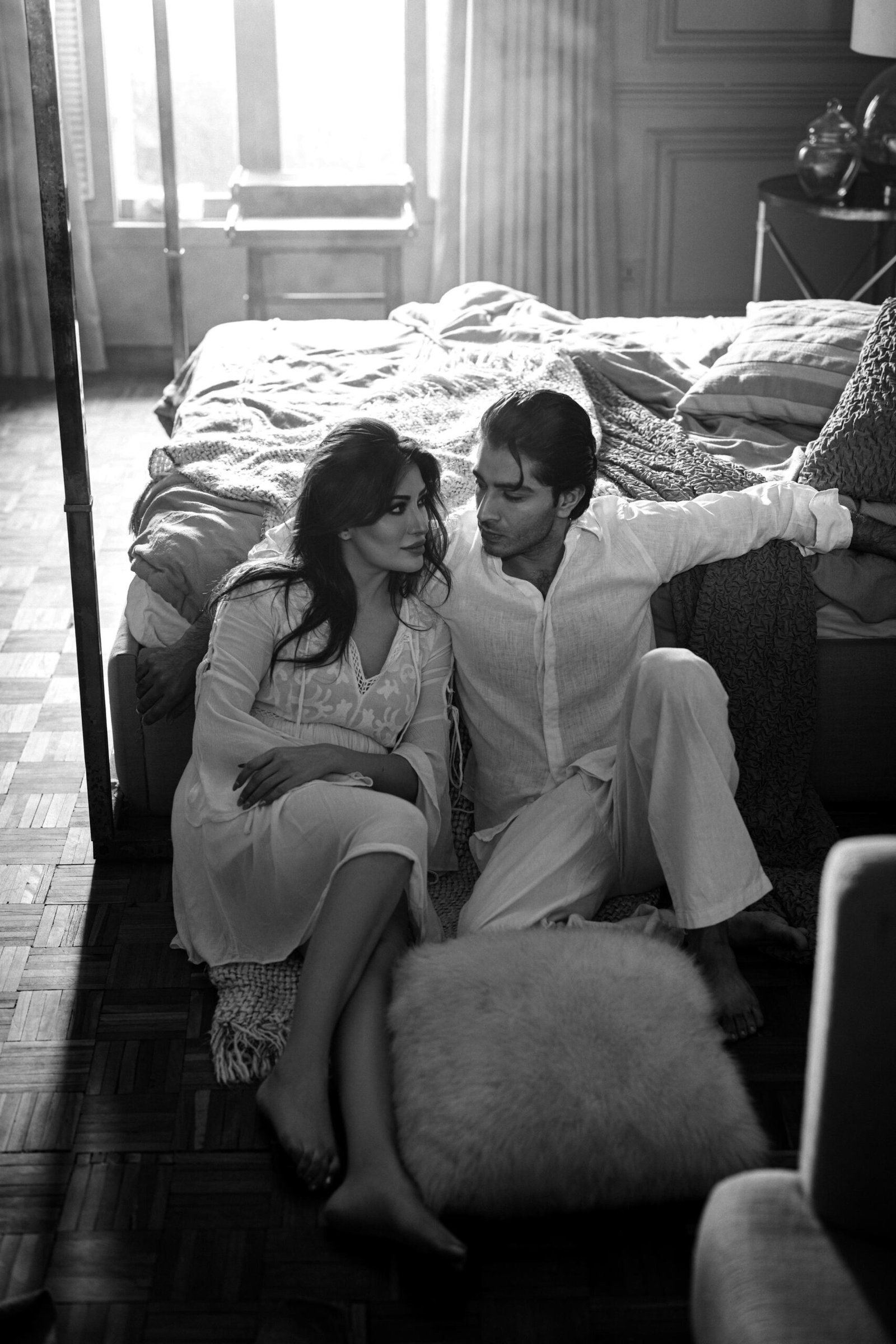
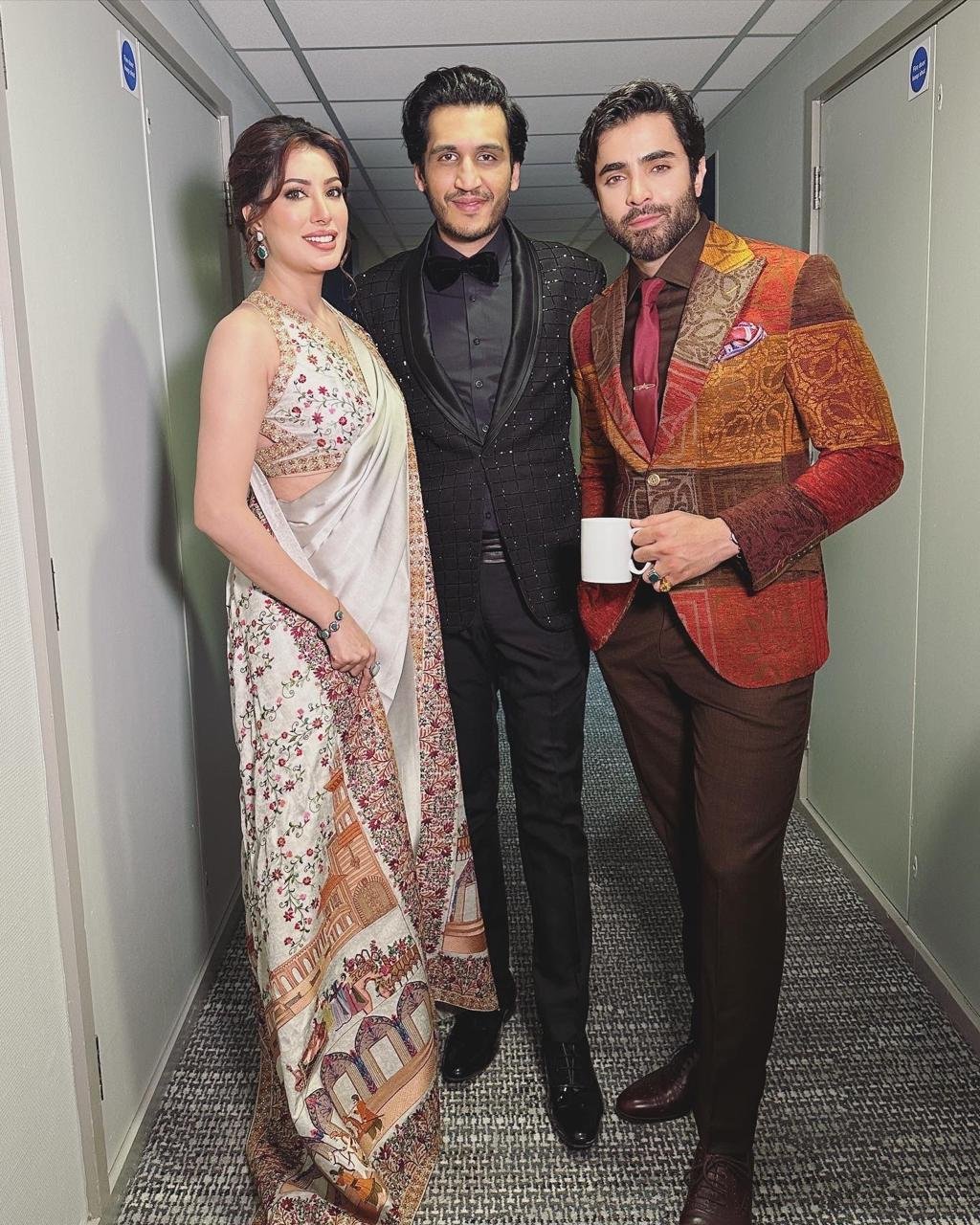
Q7: When you look back at your career, which collaboration fundamentally changed the way you understood your profession—not necessarily because it was your biggest project, but because it challenged your creative thinking?
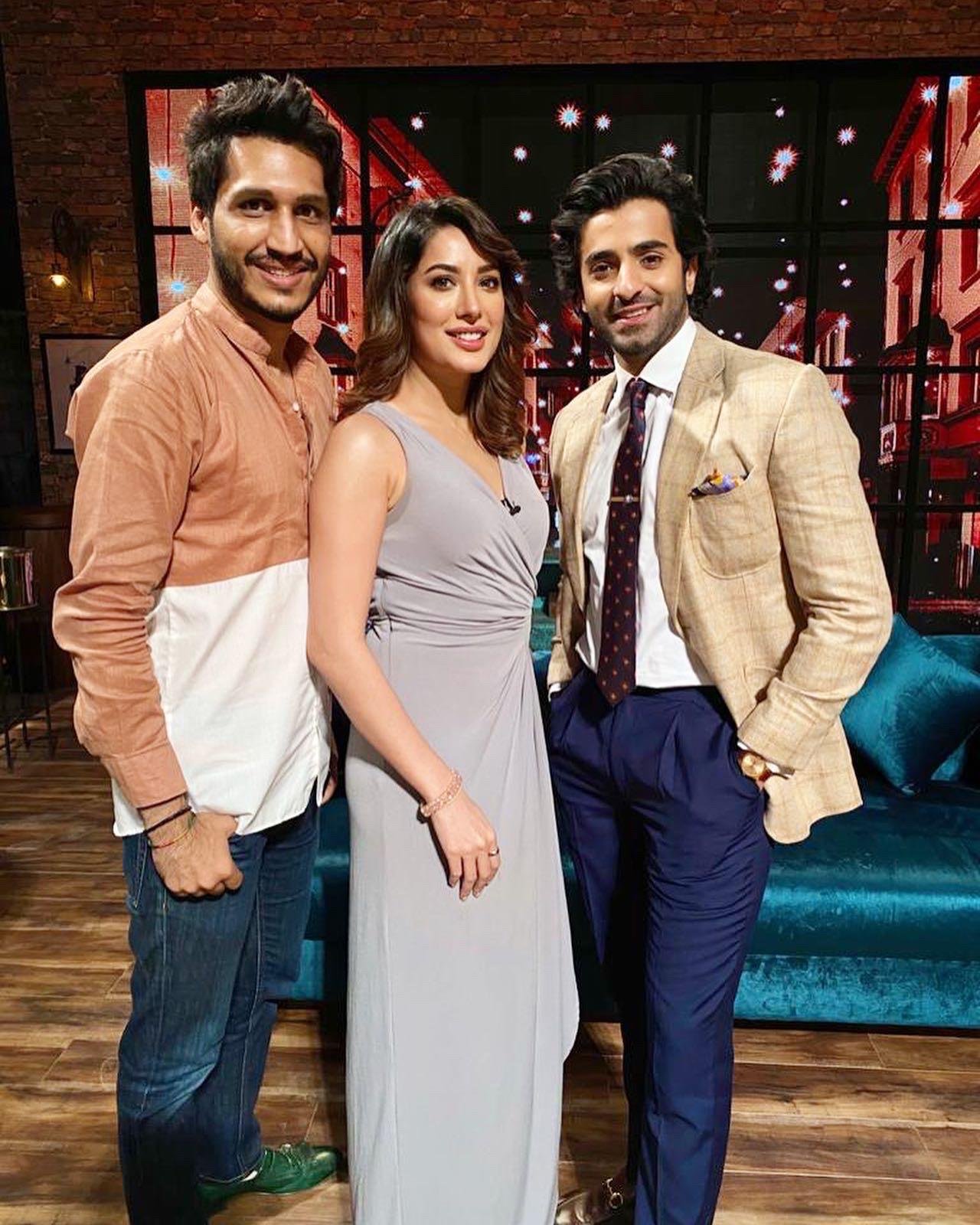
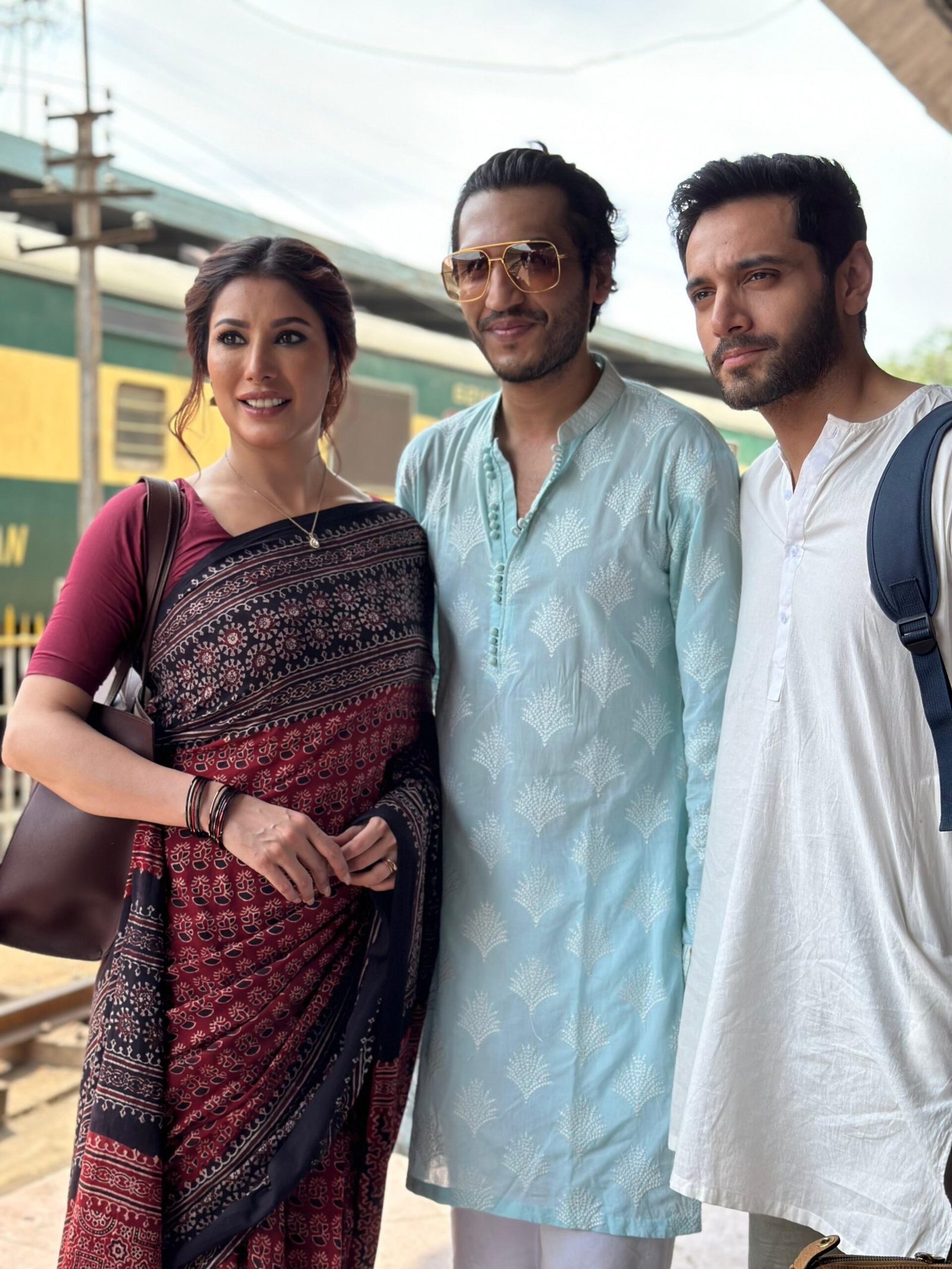
Ans: Interestingly, one of the collaborations that fundamentally changed the way I understood my profession wasn’t a film at all. It was being appointed the official stylist for the Lux Style Awards in 2019, 2020 and 2021, and the Hum Style Awards in 2016 and 2017.
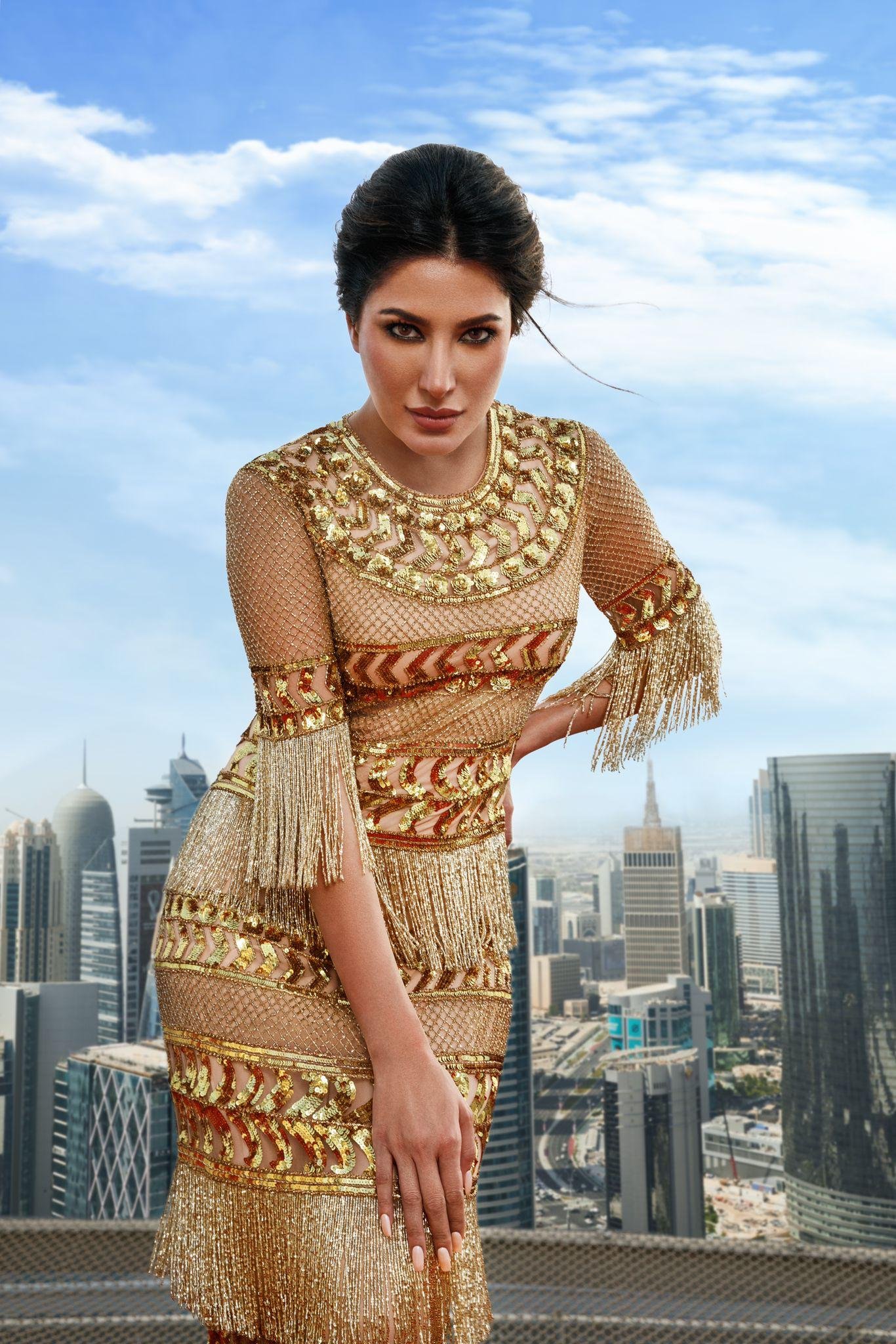
For those awards, I wasn’t dressing one person. I was looking at an entire industry. I was styling actors who were presenting, hosting, performing and walking the red carpet, and suddenly I had to think about how Pakistani celebrities as a whole were going to be perceived on an international-style red carpet. At the time, there was still a tendency for women to approach award shows almost like weddings, with very bridal, heavily embellished clothes. I wanted to change that vocabulary. I wanted the red carpet to feel like a fashion moment rather than an extension of a wedding. So I started looking beyond the obvious sources and brought in designers and couture from places like Albania, Lebanon and Dubai, alongside international names such as Michael Cinco and Zuhair Murad. That experience taught me that styling isn’t only about creating individual looks; it can actually influence a culture. You can change what people believe is appropriate, aspirational or exciting for a particular occasion. More recently, working on Fawad Khan in Abir Gulaal, and on his upcoming Netflix series, has challenged me in a completely different way. Film and television taught me to think much more deeply about colour palettes, continuity and mood. You’re not just choosing whether navy or beige looks better—you’re thinking about what the entire visual world of the character should feel like, and how colour can subtly support the emotional tone of the story. So if I look back, those experiences taught me two very different things: the awards taught me that a stylist can influence an entire fashion culture, while film taught me that styling can become part of the visual language of storytelling. Both fundamentally changed how I see my profession.
Q8: Celebrity styling has become increasingly visible as a profession, with stylists themselves becoming personalities and brands. Do you think this visibility elevates the craft, or does it sometimes shift attention away from the celebrity and the actual creative work?
Ans: I think the visibility of stylists has been very positive for the profession. It has helped people understand that styling is a serious creative discipline rather than simply someone choosing clothes for a celebrity. There is research, psychology, cultural awareness, relationships, logistics and an enormous amount of thought that goes into creating an image.
But personally, I’ve never wanted to make myself the brand. I’m much more interested in the work speaking for itself. When I dress myself, I’m quite classic, but I’m not afraid of trends. I pay attention to the occasion, the setting, the weather, the proportions and, very importantly, the footwear. I think those details reveal how seriously I approach styling. I want my actors to feel that they are in safe hands—that I’ve thought of everything. They shouldn’t have to wonder whether the clothes are appropriate for the event, whether they’re going to be comfortable, whether the shoes work, or whether the look makes sense in the environment. That level of detail creates trust. For me, the greatest compliment isn’t that someone remembers who styled the look. It’s that they remember how incredible the celebrity looked and how completely right they seemed in that moment. I don’t think a stylist needs to disappear, but I do think we need to know when to step back. The celebrity is the storyteller; we are helping shape the language. The celebrity is the storyteller; we are helping shape the language.
Q9: Fashion is often obsessed with novelty, but true personal style can be about repetition, restraint and consistency. How do you define the difference between being fashionable and actually having style?
Ans: I think fashion is about what is happening now, whereas style is about knowing what will still look right tomorrow. You can be extremely fashionable and still have no personal style if you’re simply following whatever is trending at the moment.
For me, style starts with a strong classic foundation. There are certain things that simply work—good tailoring, the right proportions, beautiful shoes, a great coat, a well-cut shirt. You don’t have to reinvent those things every season. They become part of your visual identity. Then I like to introduce a trend almost as an accent rather than allowing it to take over. It could be a new silhouette, an interesting proportion, a particular colour, a different shoe or a contemporary accessory. That way, the look feels current without becoming dated the moment the trend disappears.
I also believe repetition is underrated. If someone has found a silhouette that genuinely works for them, why shouldn’t they own it? Consistency creates recognition, and recognition is a big part of personal style. The ultimate test for me is simple: if you look back at a photograph five or ten years later and still think, ‘That looks great,’ then you had style. If you look at it and immediately know which year it was because of the trend you were wearing, that was fashion. Fashion tells you what is happening now. Style tells you what will still look right tomorrow.
Q10: If you removed the celebrity, the designer labels, the red carpet and the Instagram algorithm, what do you think remains at the heart of great styling? In other words—what makes a look culturally memorable?
Ans: What remains is the person, the feeling and the story. Strip away the celebrity, the designer labels, the red carpet and Instagram, and great styling still has to communicate something. It has to make you feel something.
For me, a culturally memorable look isn’t necessarily the most expensive, elaborate or unusual one. Sometimes it is incredibly simple. What makes it memorable is that the person, the clothes, the photography, the mood and the cultural moment all come together.
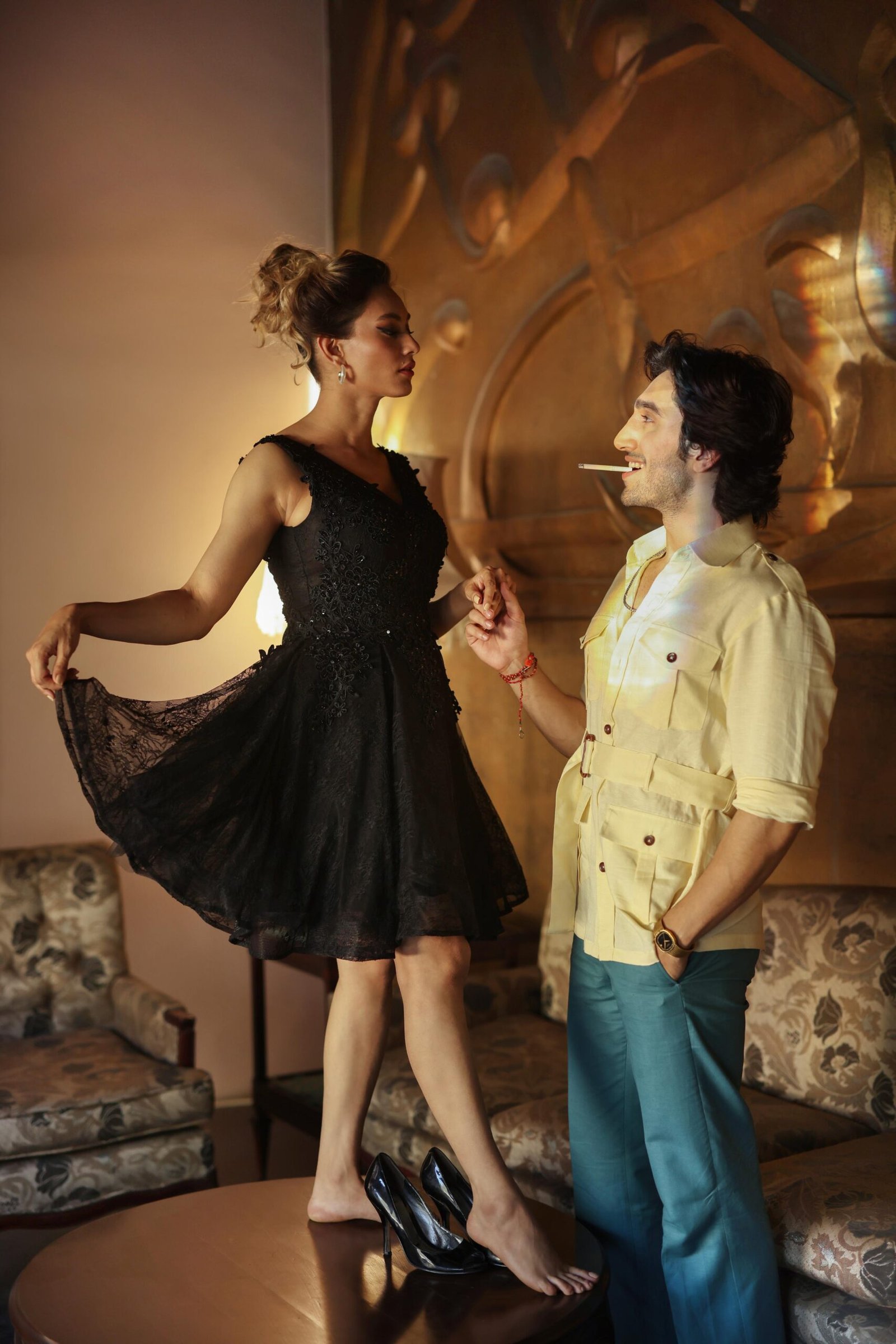
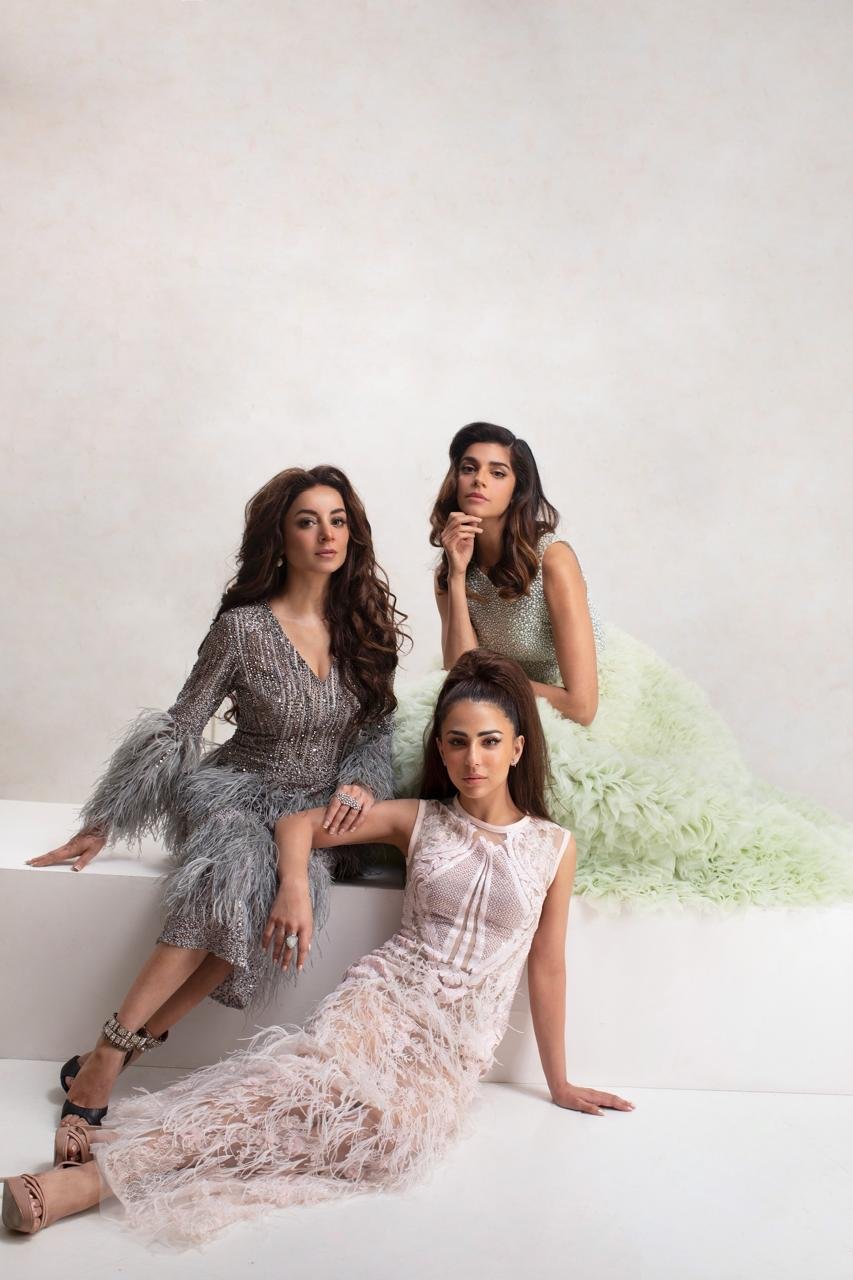
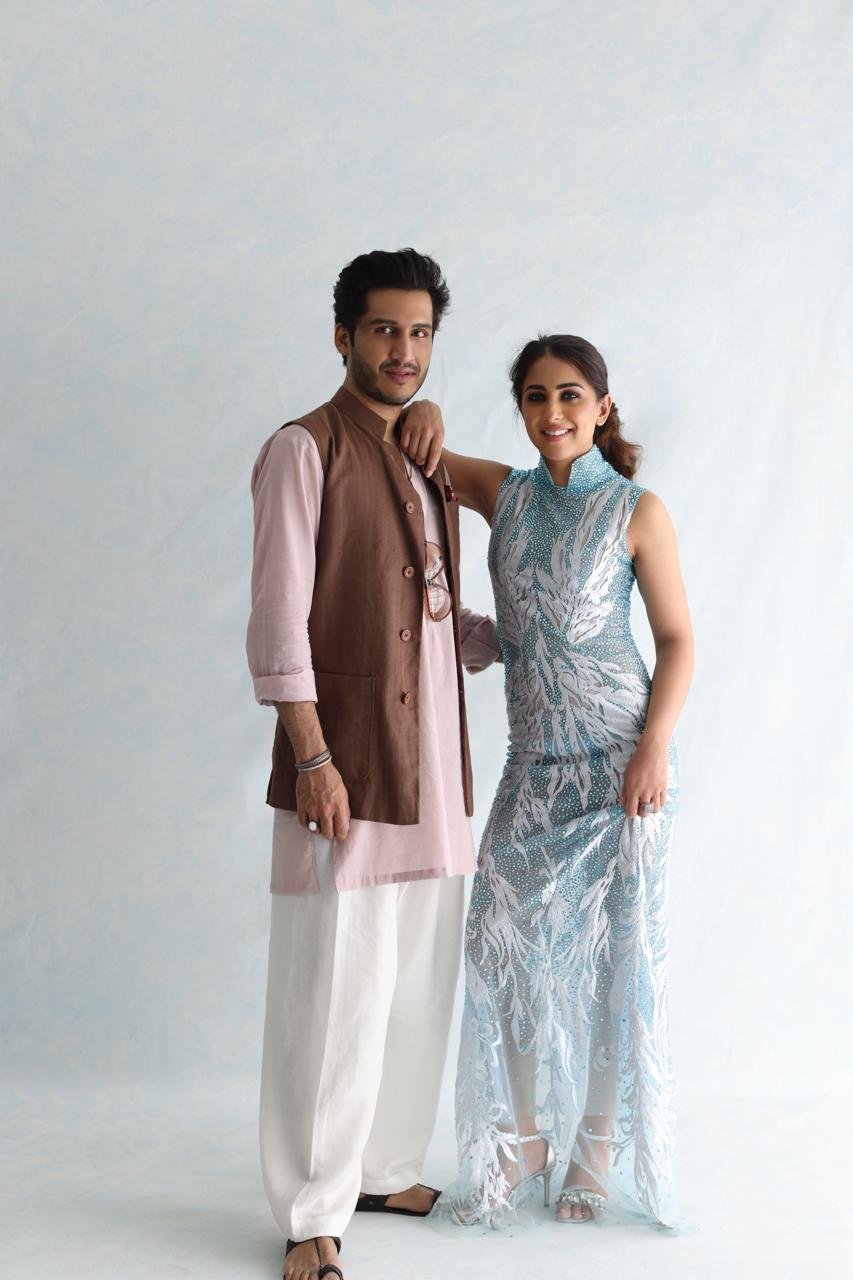
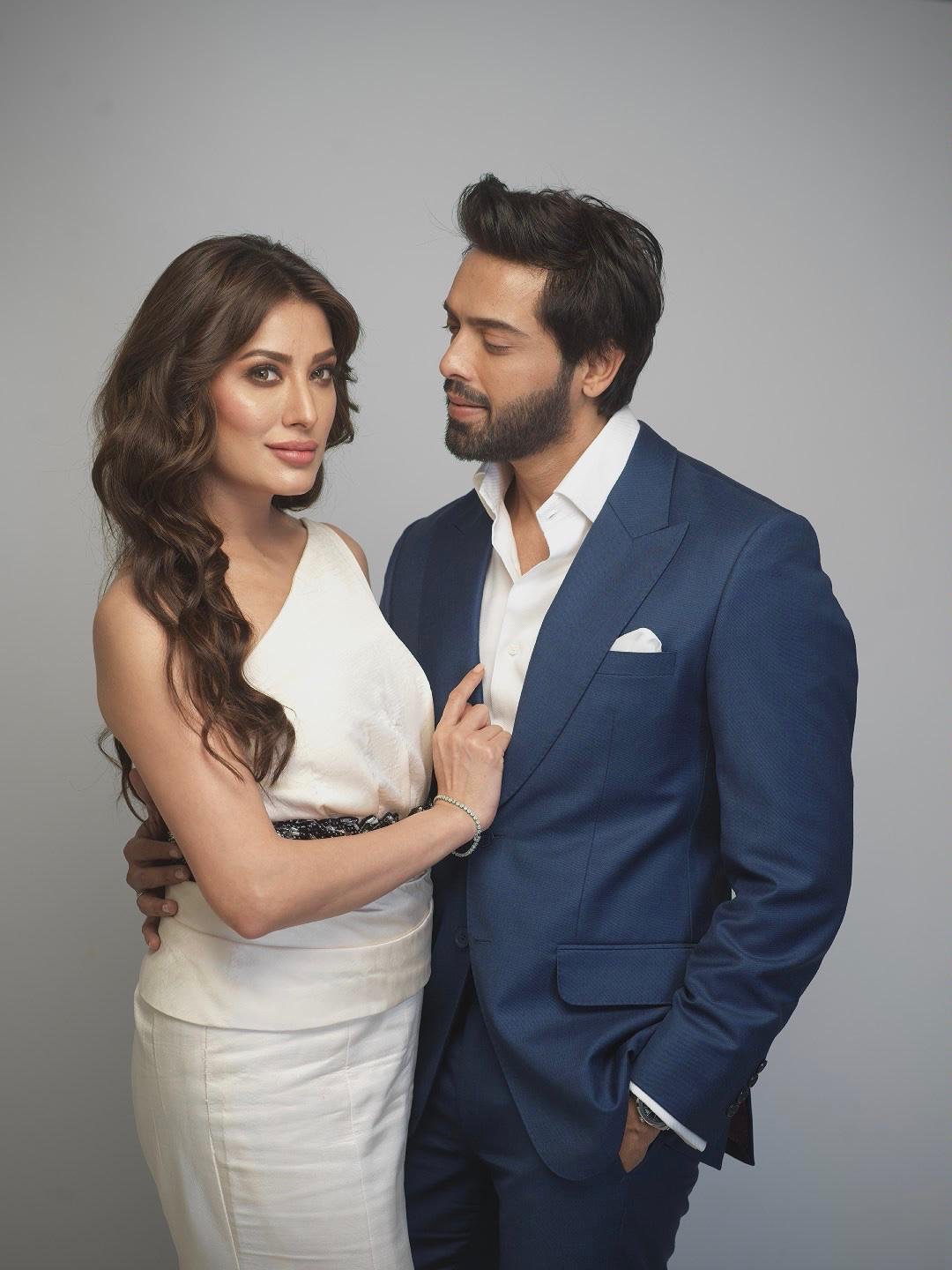
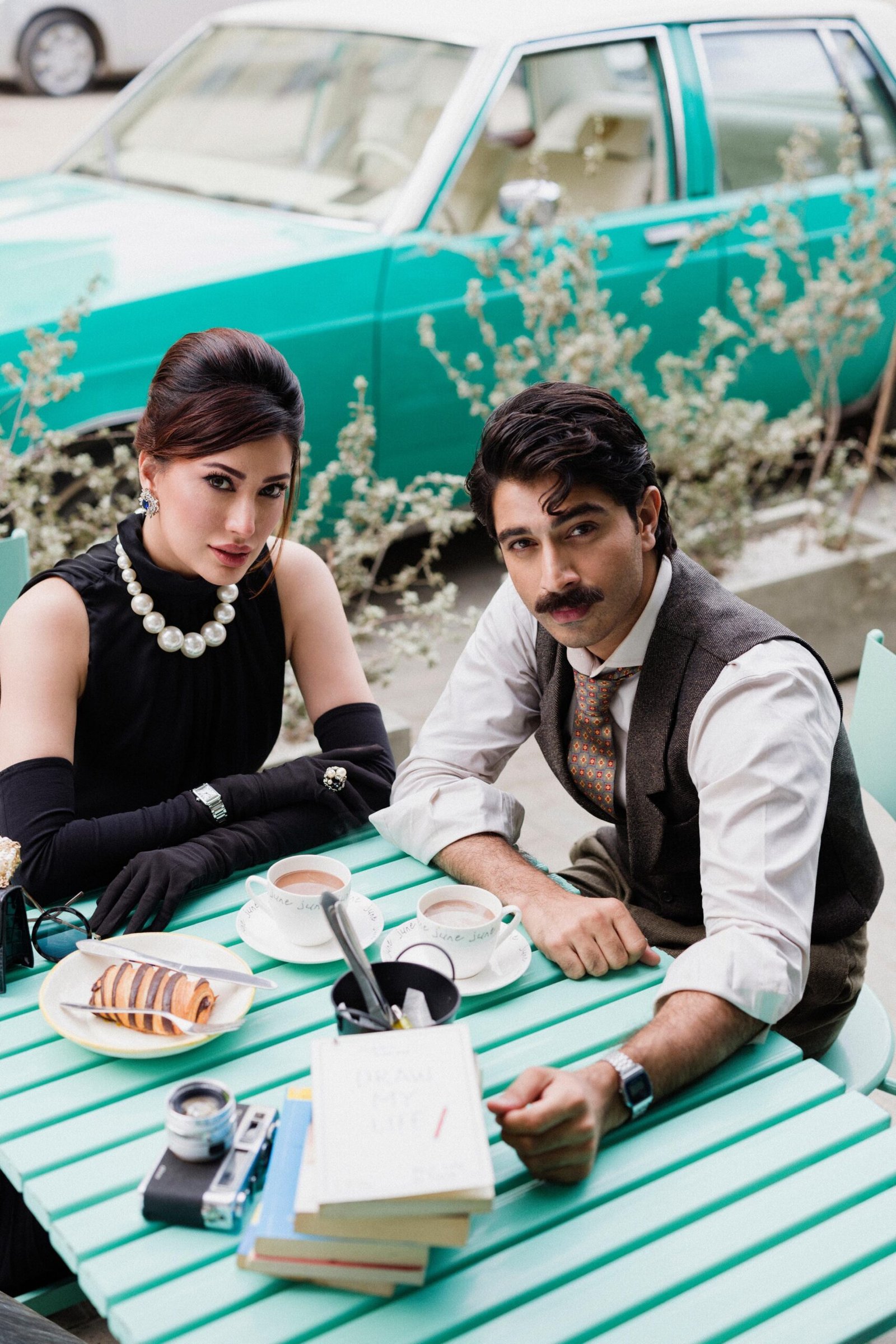
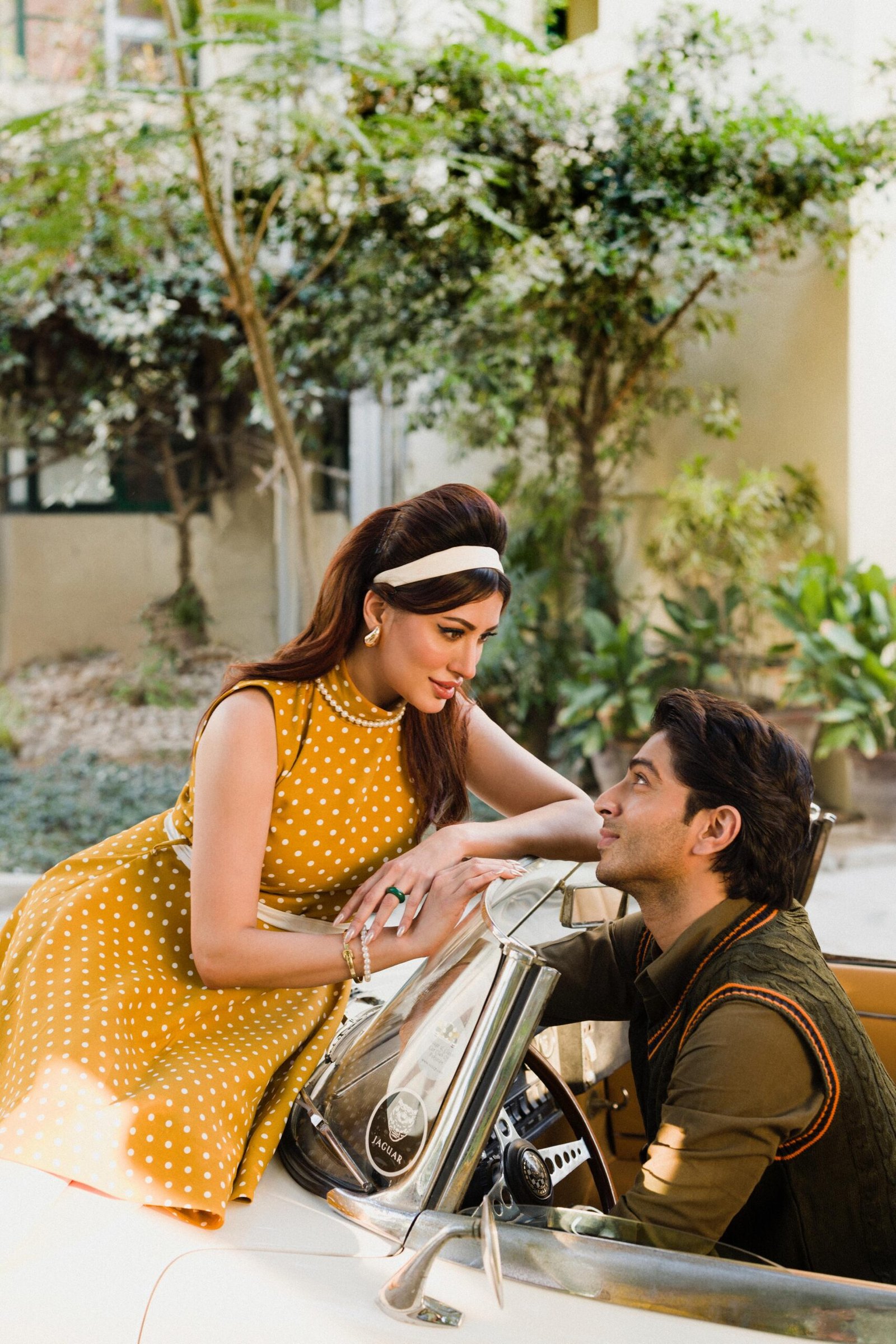
I think my work with photographer Rizwan-ul-Haq is a good example of that. Even today, many of those shoots still hold their value because they don’t look trapped in the moment in which they were created. There is a classic quality to the styling, but also a strong sense of storytelling. You can look at the photographs years later and they still feel aspirational rather than dated. Some of the shoots I did with Sheheryar Munawar and Syra Yousuf, Sheheryar and Sajal, and Bilal Ashraf and Mahira Khan are examples of that.
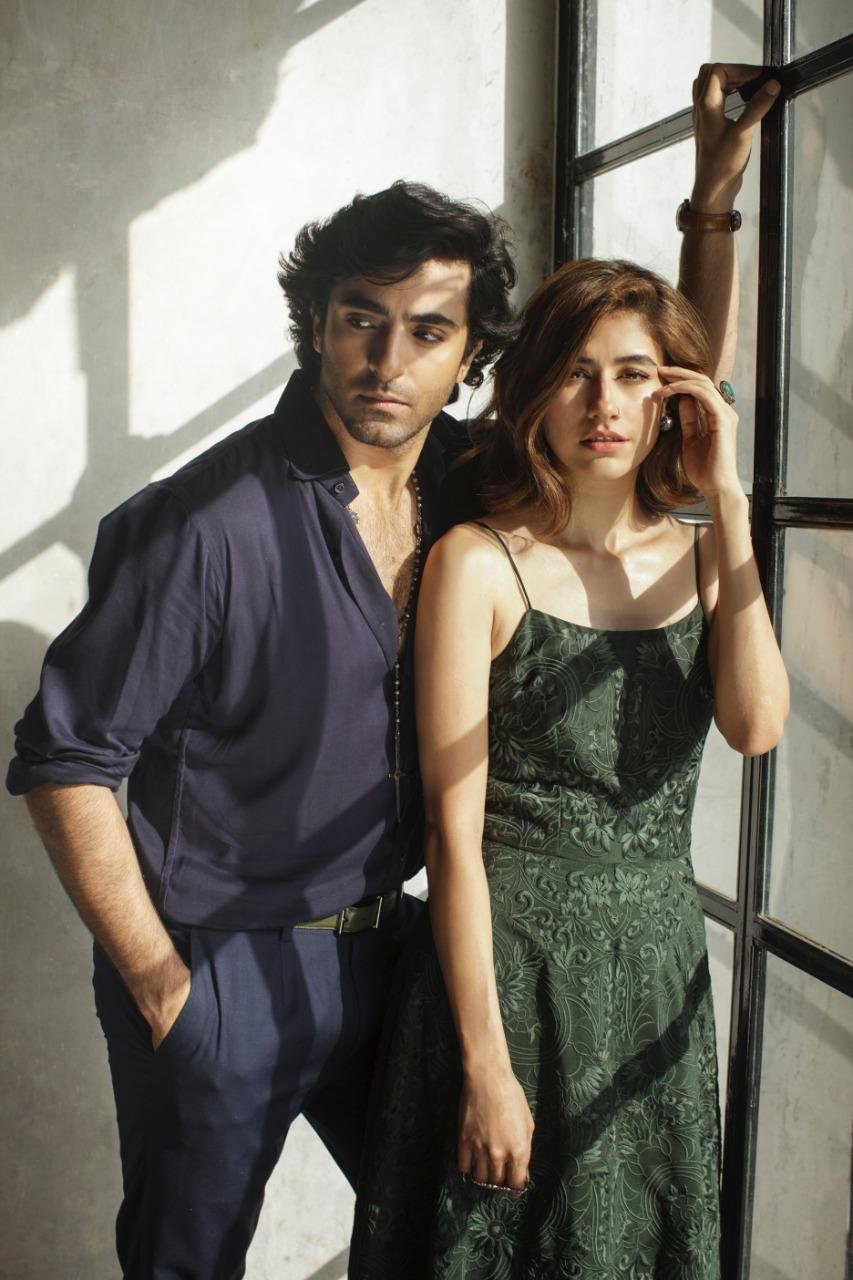

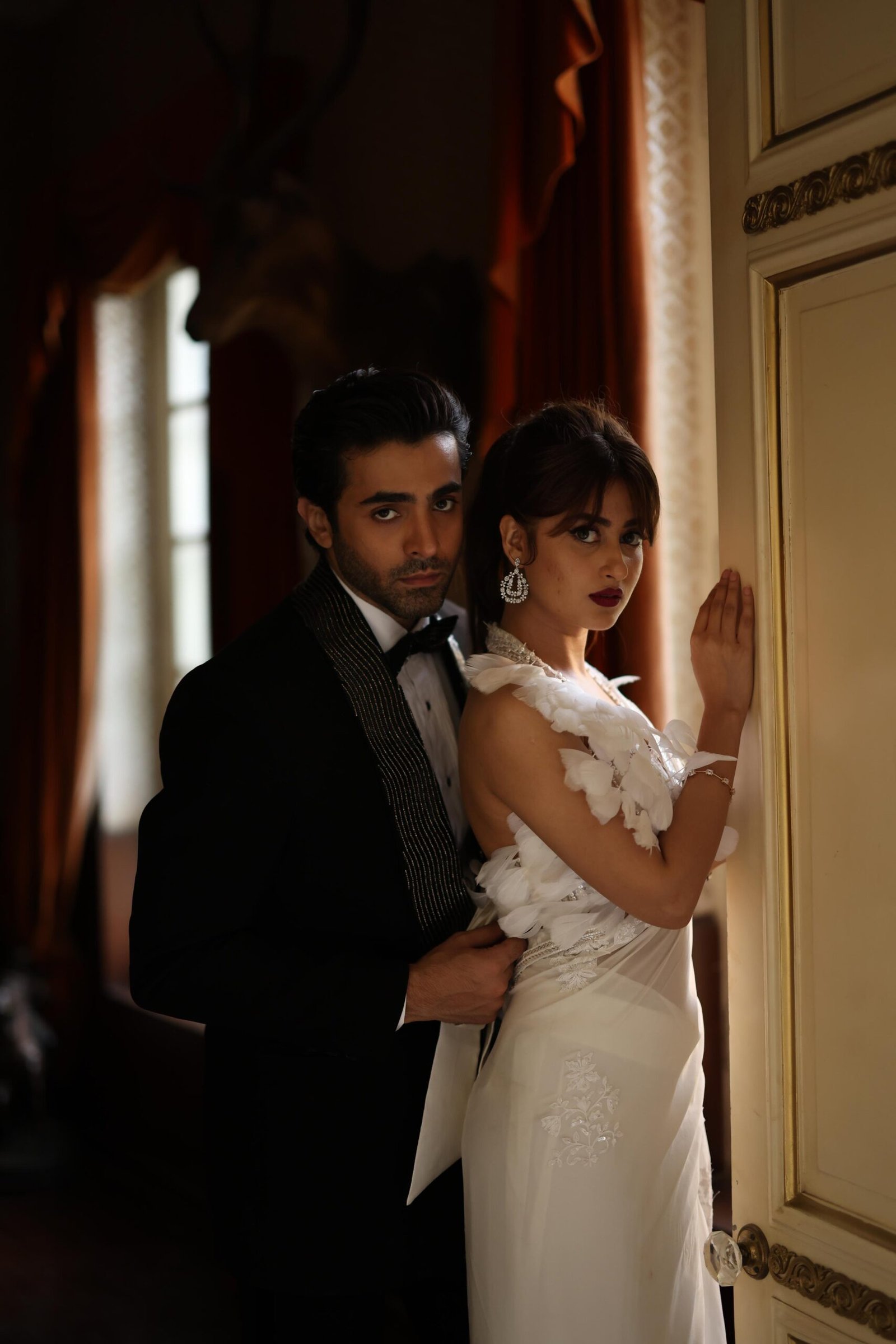
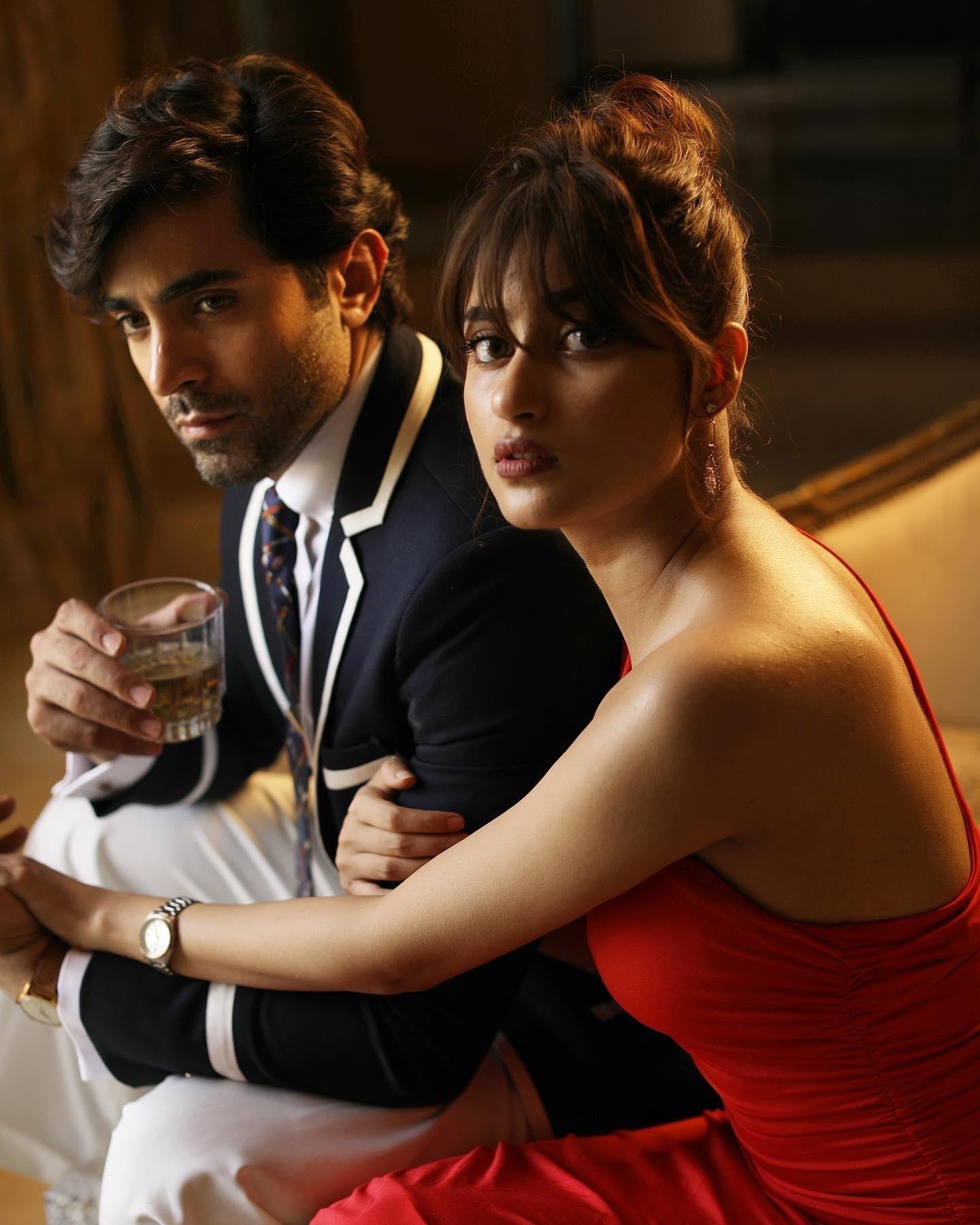
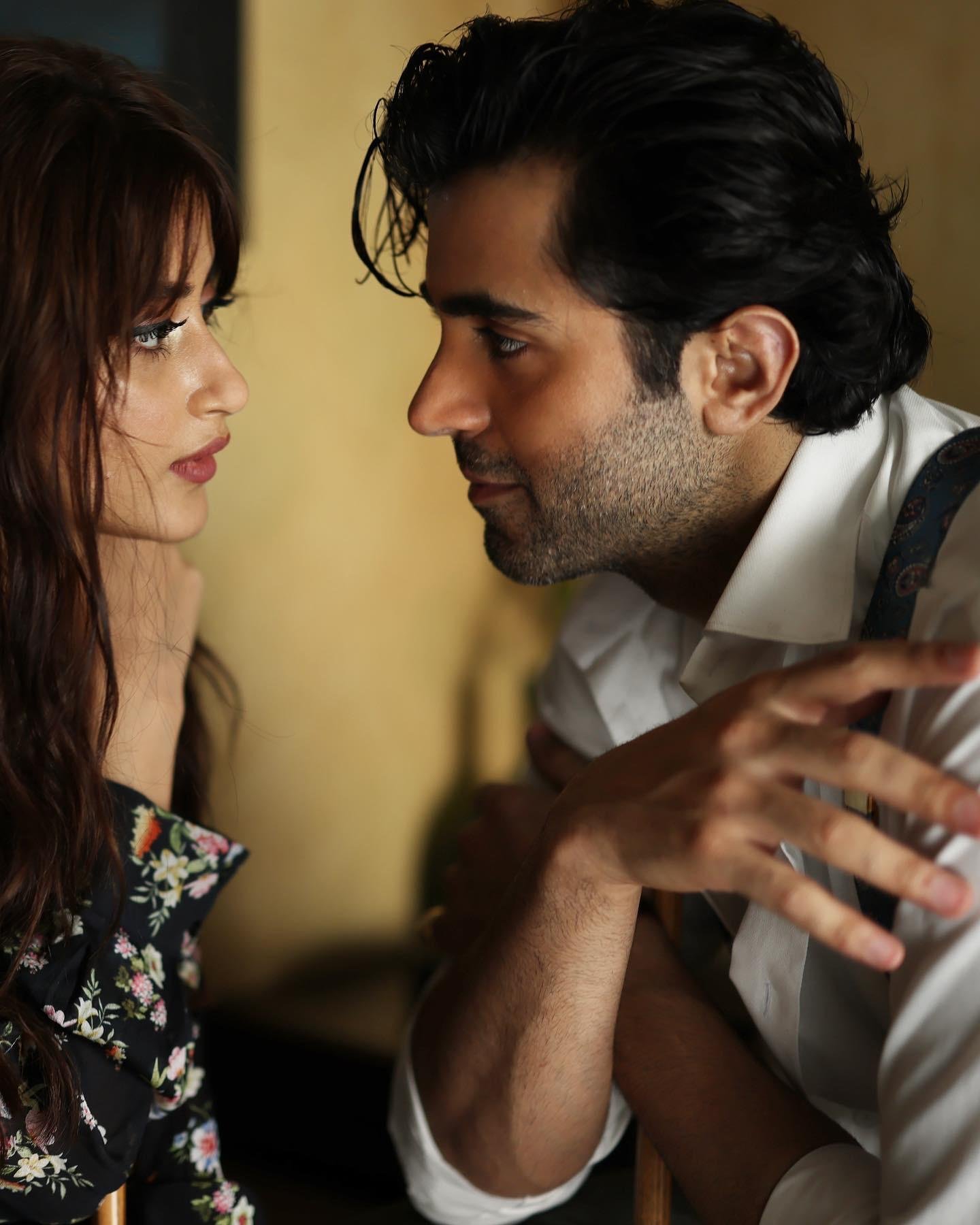
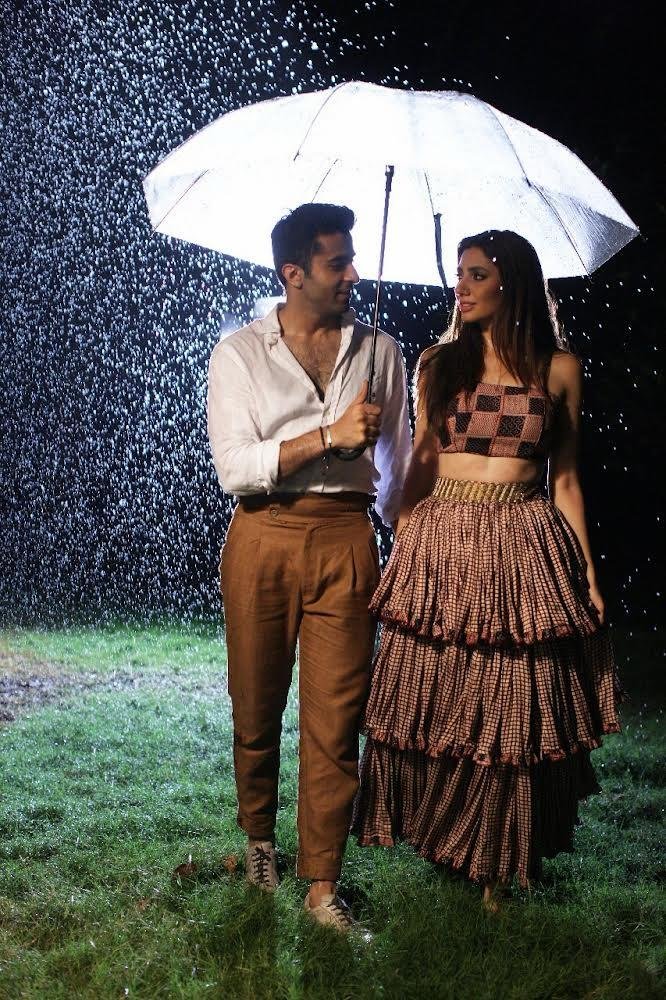
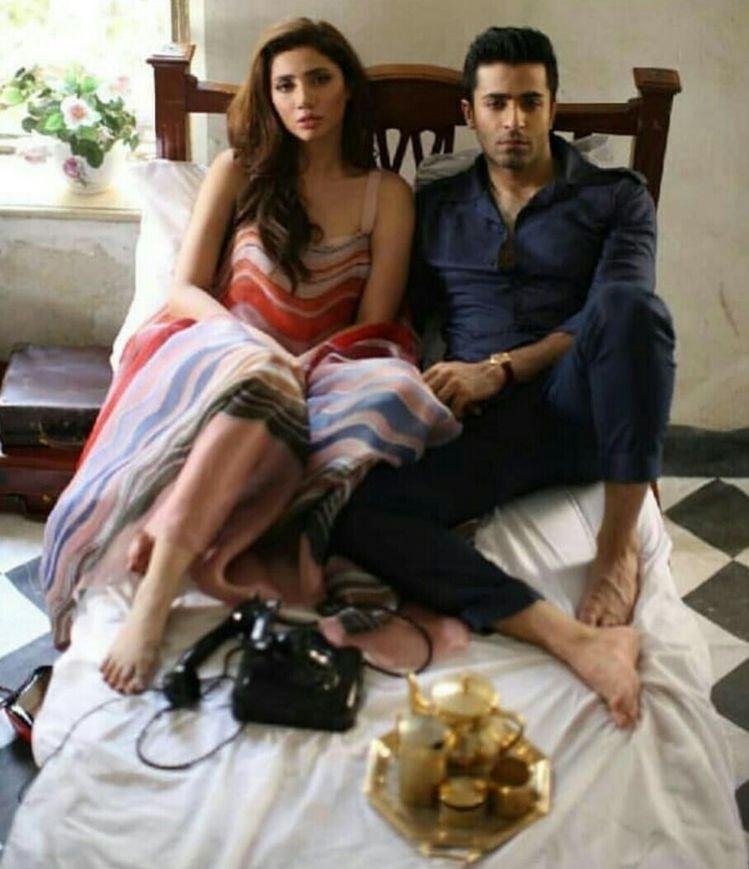
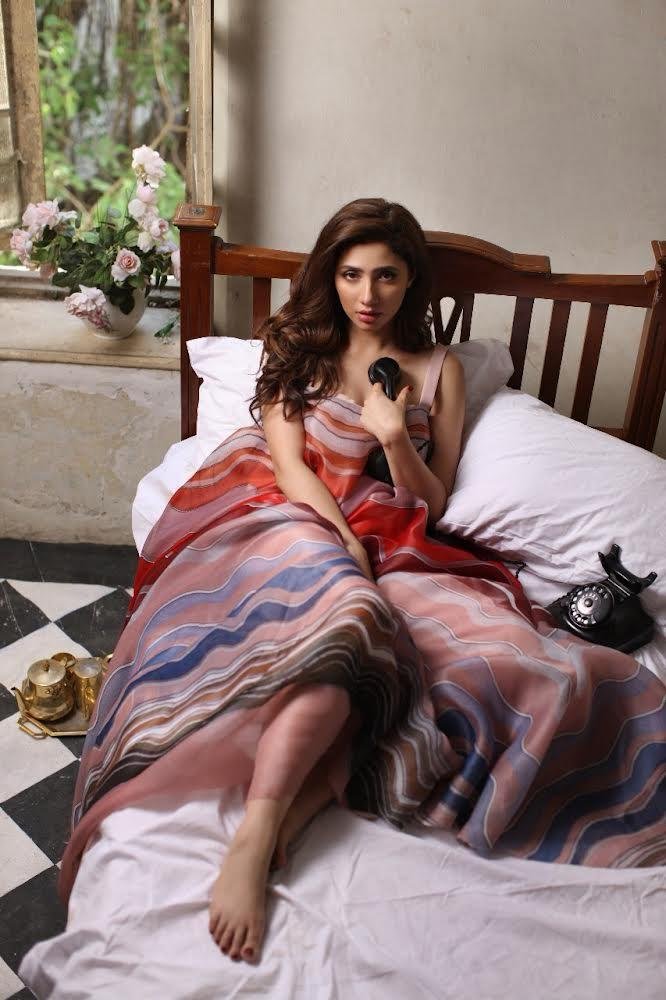
They were hugely appreciated and went viral when they were released, but what matters more to me is that people still respond to those images today. That, to me, is the difference between something that is simply fashionable and something that becomes memorable. A trend can create attention for a moment. A strong image has a life beyond that moment. There also has to be a point of view. You should be able to look at an image years later and understand why it worked without needing to know which designer made the clothes or how much they cost. Ultimately, trends disappear, labels change and algorithms move on. What remains is the image, the emotion and the story you created. If a photograph can still inspire someone years later, then I think the styling has genuinely done its job. A trend can create attention for a moment. A strong image has a life beyond that moment. I want my images to age, not date.