



For generations, women have often been made to feel that motherhood has a specific deadline. Social expectations, family pressure, career considerations and concerns about fertility have all contributed to the idea that women should become mothers by a certain age. But modern motherhood looks very different. Women are becoming mothers at different stages of life, shaped by their individual circumstances, relationships, careers and personal goals.
Pregnancy announcements can be deeply personal moments, even when they come from women whose lives are constantly in the public eye. The recent Anne Hathaway and Mahira Khan pregnancy news has drawn attention to two different journeys into motherhood. Hathaway announced that she is expecting her third child, while Pakistani actor Mahira Khan revealed that she is expecting her second child at 41.
Anne Hathaway Announces Her Third Pregnancy:
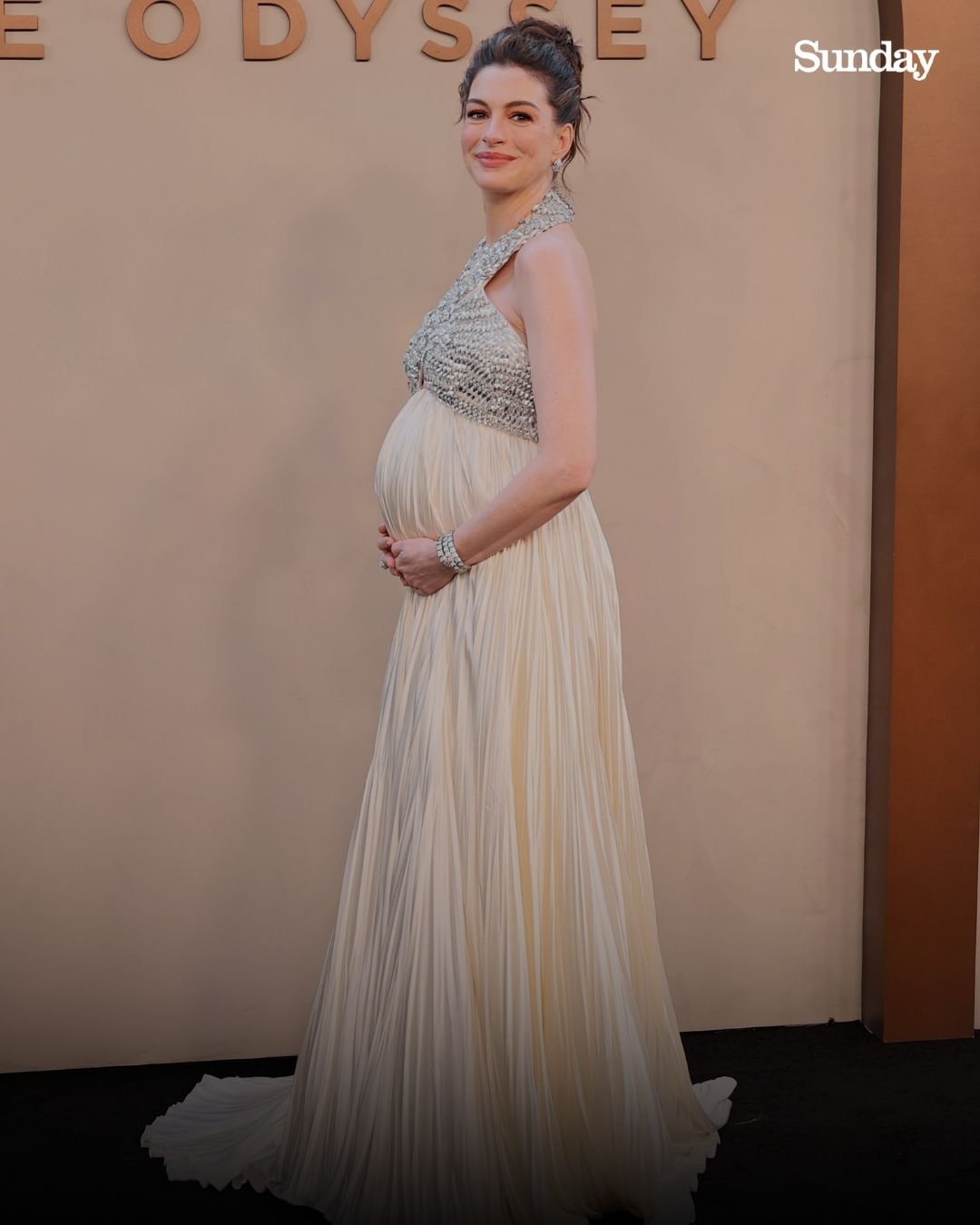
Anne Hathaway’s pregnancy announcement marked another chapter in her journey as a mother. The actor shared the news publicly, revealing that she is expecting her third child with her husband, Adam Shulman. Hathaway is already a mother to two sons, making the announcement a significant new milestone for her family. Her previous openness about fertility and conception has also given additional context to conversations surrounding her pregnancy journey and motherhood.
Mahira Khan Announces Her Second Pregnancy:
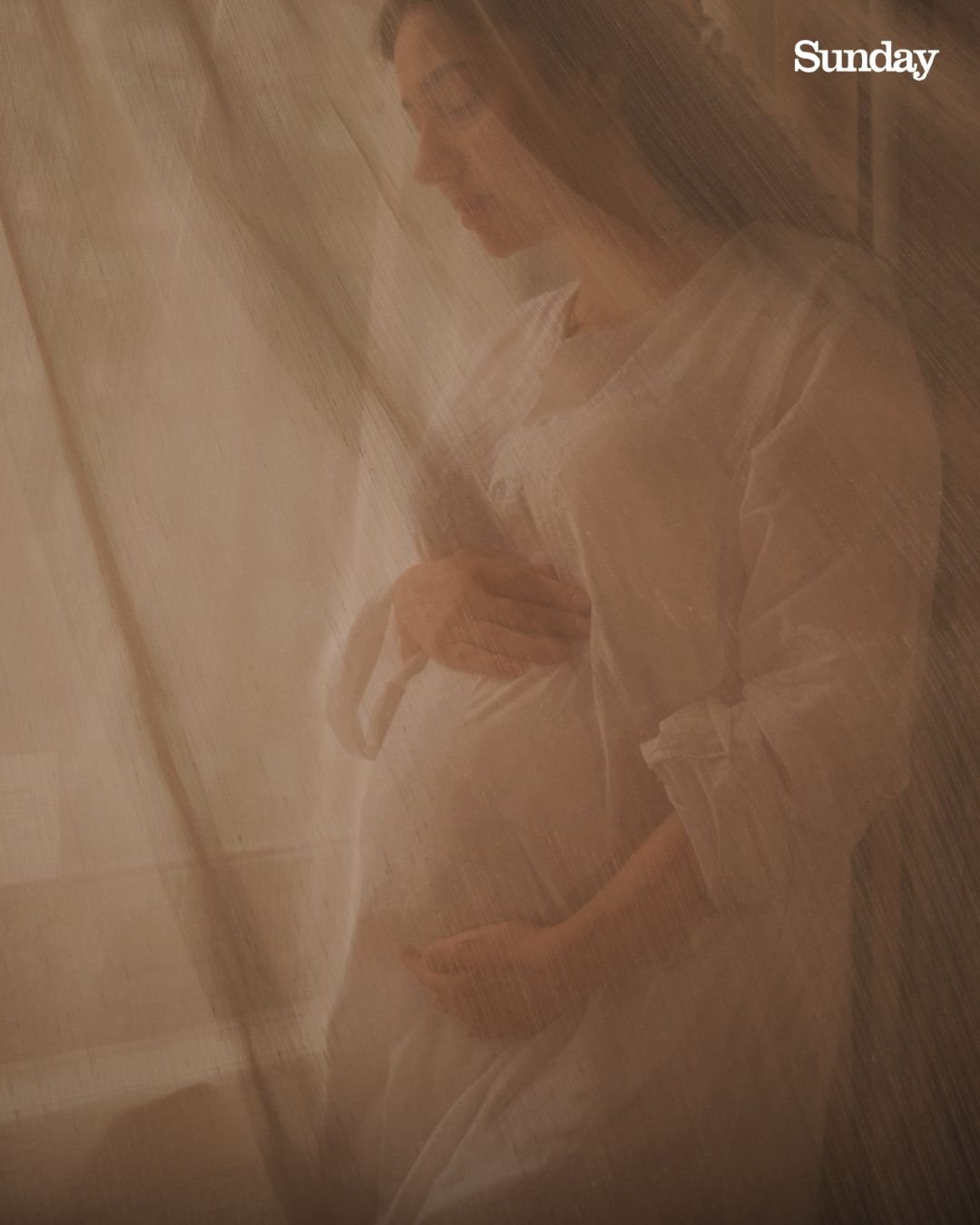
Mahira Khan’s pregnancy announcement has brought attention to motherhood after 40 and the experience of becoming a mother again years after having her first child. The Pakistani actor announced that she is expecting her second child at 41. Already a mother to her teenage son, Azlan, Mahira is entering a new stage of motherhood with her husband, Salim Karim. Her story highlights how family life can unfold at very different stages and that becoming a mother later in life can be a deeply personal experience.
Redefining the Traditional Motherhood Timeline:
The traditional idea that women need to become mothers by a particular age is gradually being challenged. Many women today are navigating motherhood on their own timelines, whether that means having children earlier, pursuing a career before starting a family, or becoming a parent later in life. The growing conversation around motherhood after 40 reflects a broader shift in how society understands women’s choices, careers and family journeys. There is no universal schedule that determines when someone is ready to become a mother.

The Emotional Reality of Pregnancy in Your 40s:
Pregnancy in your 40s can bring a different set of medical considerations, and fertility generally changes with age. At the same time, the experience of becoming a mother later in life involves more than medical statistics. Women may experience a mix of excitement, anticipation, uncertainty and emotional adjustment as they enter motherhood at a different stage of life. Conversations about pregnancy after 40 should therefore include both the medical side of later pregnancy and the personal experience of preparing for motherhood.

Motherhood, Career and Personal Choices:

The decision to become a mother is rarely shaped by age alone. Career goals, relationships, financial circumstances, personal readiness and fertility can all influence when a woman chooses to start a family. For some women, motherhood comes earlier, while others become mothers later after building careers or reaching personal milestones. Becoming a mother later in life can therefore look very different from one woman to another. What matters is recognizing that family planning is a deeply personal journey rather than a race against a socially imposed deadline.

The Medical Side of Pregnancy After 40:
Age is one factor healthcare professionals consider when discussing pregnancy. Fertility can decline with age, and pregnancy later in life can be associated with increased risks for certain complications. However, individual circumstances vary considerably.
For women considering pregnancy after 40, speaking with a qualified healthcare professional can help provide personalized information about fertility, prenatal care, potential risks and available options. A medical conversation is particularly important because general information about age and pregnancy cannot predict an individual’s experience.
Final Thoughts:
