



HUM TV’s ongoing drama Hurmat, written by Kashif Anwar and directed by Nadeem Siddiqui, follows a young woman whose ambitions are restricted by her controlling father. Despite completing her bachelor’s degree, Hurmat struggles to pursue further education and gain independence within a household governed by fear, rigid expectations and the idea of family honour.
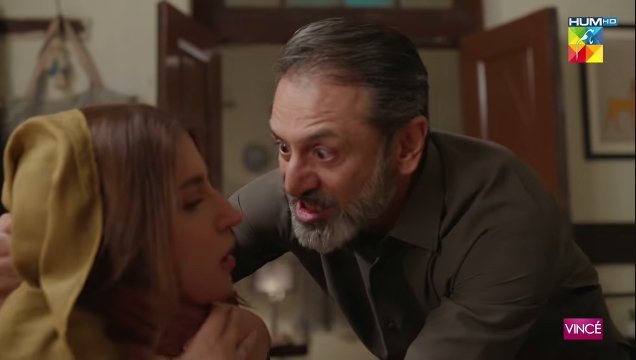
With the support of her paternal uncle, she begins to discover a world beyond the boundaries imposed on her. Starring Dananeer Mobeen alongside Shahveer Jafry, Ali Tahir and Javed Sheikh, the drama explores the conflict between personal freedom and traditional family expectations.
A Familiar Theme that Needs a Fresh Perspective:
One of the first things that stands out about Hurmat is its central conflict. Pakistani dramas have repeatedly explored controlling fathers, restricted daughters and the pressure of log kya kahenge. These themes remain relevant, particularly in households where a woman’s education, choices and independence are treated as matters of family reputation rather than personal rights.
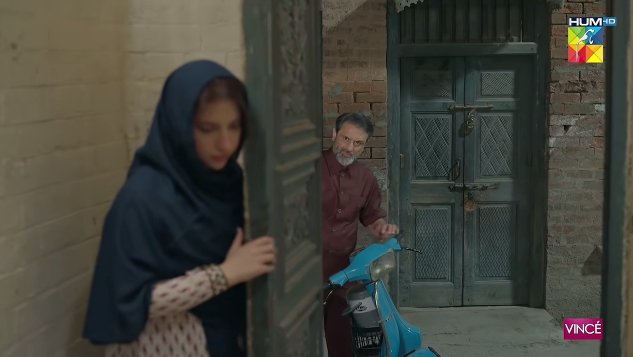
However, the familiarity of the subject also creates a challenge for the drama. Simply presenting an authoritarian father and a daughter desperate for freedom is not enough to make a story distinctive. What matters is how thoughtfully the characters are developed and whether the narrative moves beyond familiar confrontations to examine the emotional and social roots of this behaviour.
So far, Hurmat has established a recognisable conflict, but its lasting impact will depend on whether it offers more than the familiar struggle between parental authority and a young woman’s aspirations.

Dananeer Mobeen Carries the Emotional Weight:
Dananeer Mobeen is among the drama’s strongest elements. Her portrayal of Hurmat brings vulnerability to a character who wants to pursue her ambitions but must constantly consider the consequences of challenging her father. Rather than relying entirely on dramatic outbursts, her expressions and quieter moments help communicate the character’s fear and frustration.
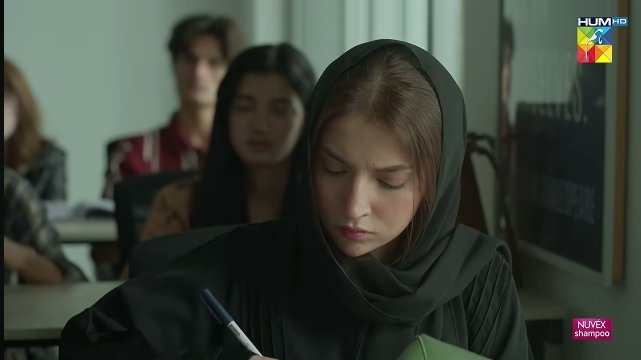
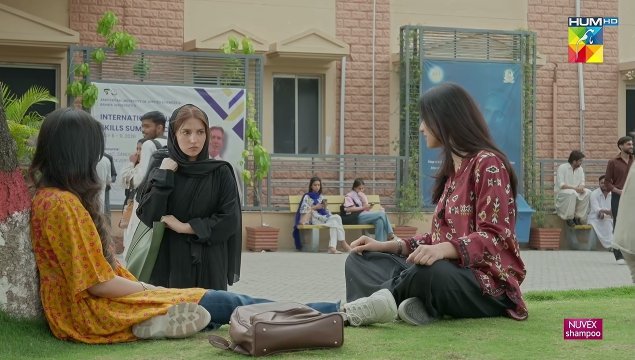
The role also gives Dananeer an opportunity to demonstrate a more emotionally demanding side of her acting. Hurmat is not simply a girl seeking permission to attend university; she represents someone struggling to imagine a future in an environment that repeatedly limits her choices.
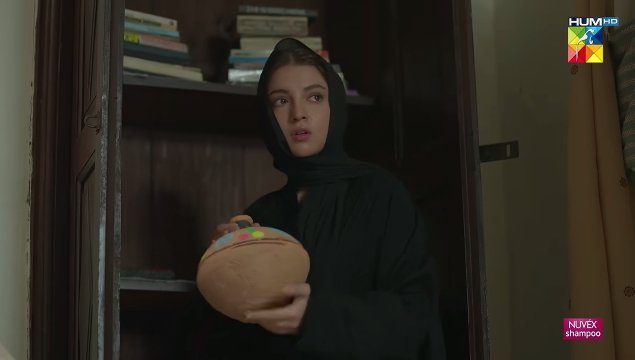

Her performance provides an emotional centre for the drama. As the story progresses, however, the character needs room to grow beyond her circumstances. Hurmat should be allowed to make difficult decisions, display flaws and actively shape her future instead of remaining defined solely by the restrictions placed upon her.
Ali Tahir & Javed Sheikh Bring Experience:
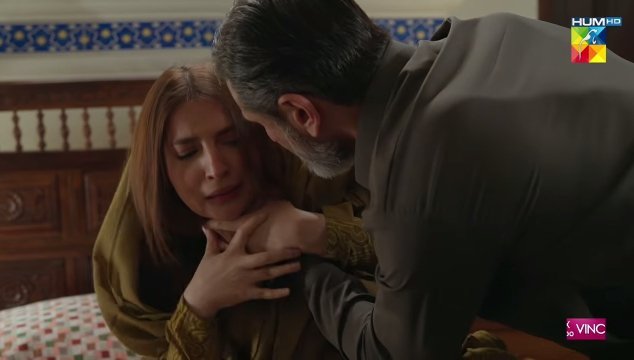
Ali Tahir plays Hurmat’s strict father, a character whose authority creates much of the tension. His performance establishes an intimidating presence within the household, making it clear why the family finds it difficult to challenge him. Yet the character risks becoming one-dimensional if the writing relies exclusively on anger, suspicion and control to define him.
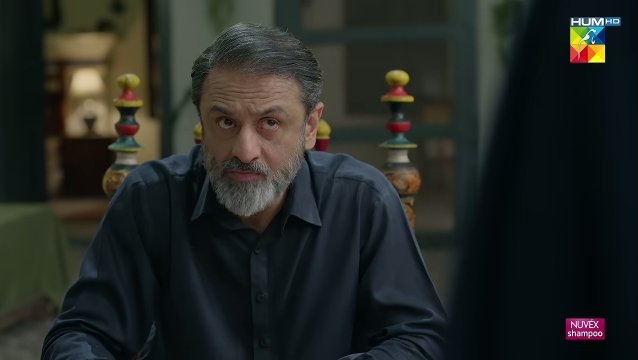
A more layered portrayal of his motivations could strengthen the drama without excusing his behaviour. Understanding where his beliefs come from, and how he justifies them to himself, could make the conflict more psychologically convincing.
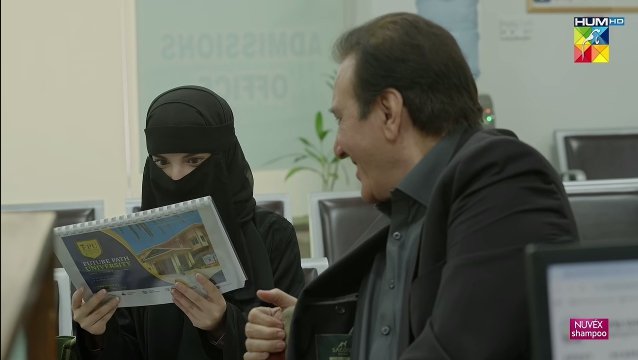
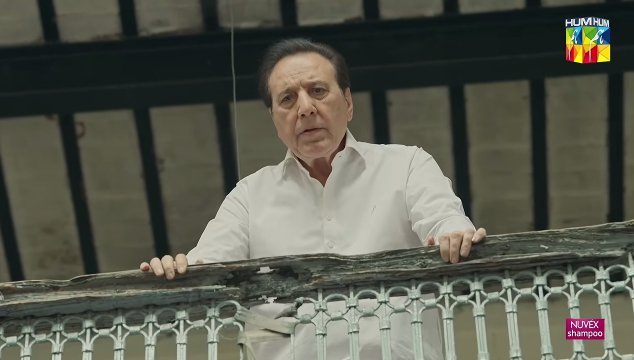
Javed Sheikh, meanwhile, brings warmth and reassurance as the paternal uncle who recognises Hurmat’s desire for a different life. His presence offers a contrast to the atmosphere of fear at home, and his scenes with Dananeer provide some of the drama’s more emotionally engaging moments.
Shahveer Jafry: A Performance Still Finding its Ground
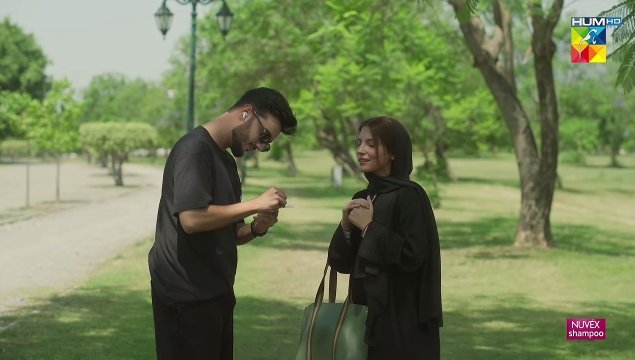
Shahveer Jafry’s appearance alongside an experienced television cast has naturally drawn attention, particularly because audiences know him primarily through his digital career. Moving into a serious television role requires a different kind of screen presence, emotional consistency and command over dialogue.

His performance may not yet feel as settled as those of the more experienced actors. Some moments would benefit from greater naturalness and emotional depth, particularly when the scenes demand subtle reactions rather than a composed expression.
Nevertheless, an ongoing drama offers room for development. The real test will be whether Shahveer can establish a convincing character of his own and build believable chemistry with Dananeer, allowing their scenes to feel like a natural part of the story rather than an expected romantic track.


Where the Writing Needs to Go Further?
The most promising aspect of Hurmat is its potential to examine the difference between parental concern and controlling behaviour. Respect for family does not have to mean surrendering every personal ambition, and protecting a family’s reputation should not come at the cost of an individual’s emotional well-being.
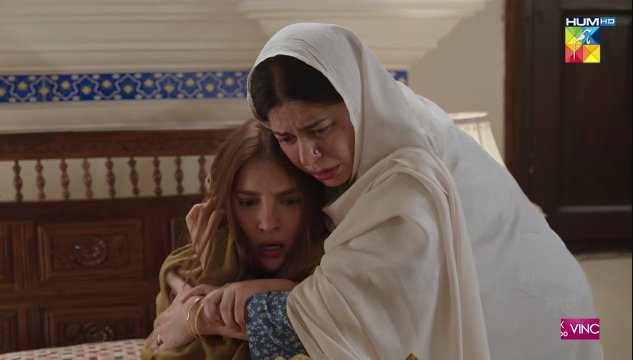
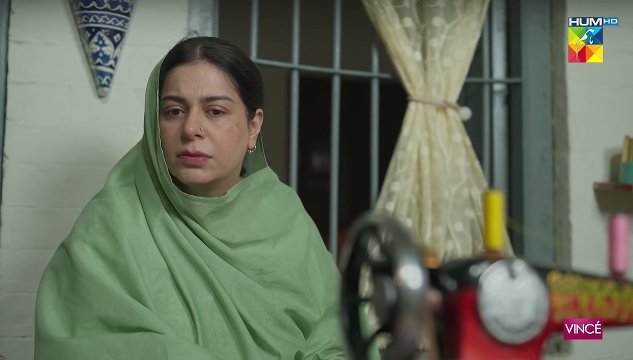
The drama will be stronger if it explores these questions through meaningful character development instead of repeating arguments and confrontations. Hurmat’s mother, too, deserves a more developed perspective. Her position within the household could offer a deeper understanding of how fear and dependence can prevent people from standing up for themselves, even when they recognise that something is wrong.
The direction and pacing have helped the opening episodes establish the central conflict without excessive delay. Still, strong performances and a serious subject need equally careful writing. The drama must give its characters believable motivations and allow consequences to emerge naturally from their choices.
There is also a risk that a romantic storyline could take attention away from Hurmat’s independence. Romance can contribute to her journey, but it should not become the solution to a problem rooted in family authority and unequal freedom. Her ambitions and personal agency need to remain at the heart of the narrative.
Final Thoughts:
Hurmat begins with a socially relevant premise and benefits from Dananeer Mobeen’s emotionally engaging performance, supported by the experience of actors such as Ali Tahir and Javed Sheikh. Its focus on women’s education, family control and the pressure of social expectations gives it a subject worth exploring.
However, the drama is working with themes that Pakistani television has addressed many times before. To distinguish itself, it needs more nuanced characterisation, sharper writing and a heroine whose journey involves more than enduring restrictions. Shahveer Jafry’s performance also has room to develop as the story continues.

As an ongoing serial, Hurmat has the opportunity to turn a familiar premise into a meaningful examination of autonomy, fear and family relationships. Whether it succeeds will depend on how deeply it explores these ideas in the episodes ahead. The most important question it raises is also its most relevant: when does the desire to protect family honour become a way of denying someone the freedom to live their own life?
