

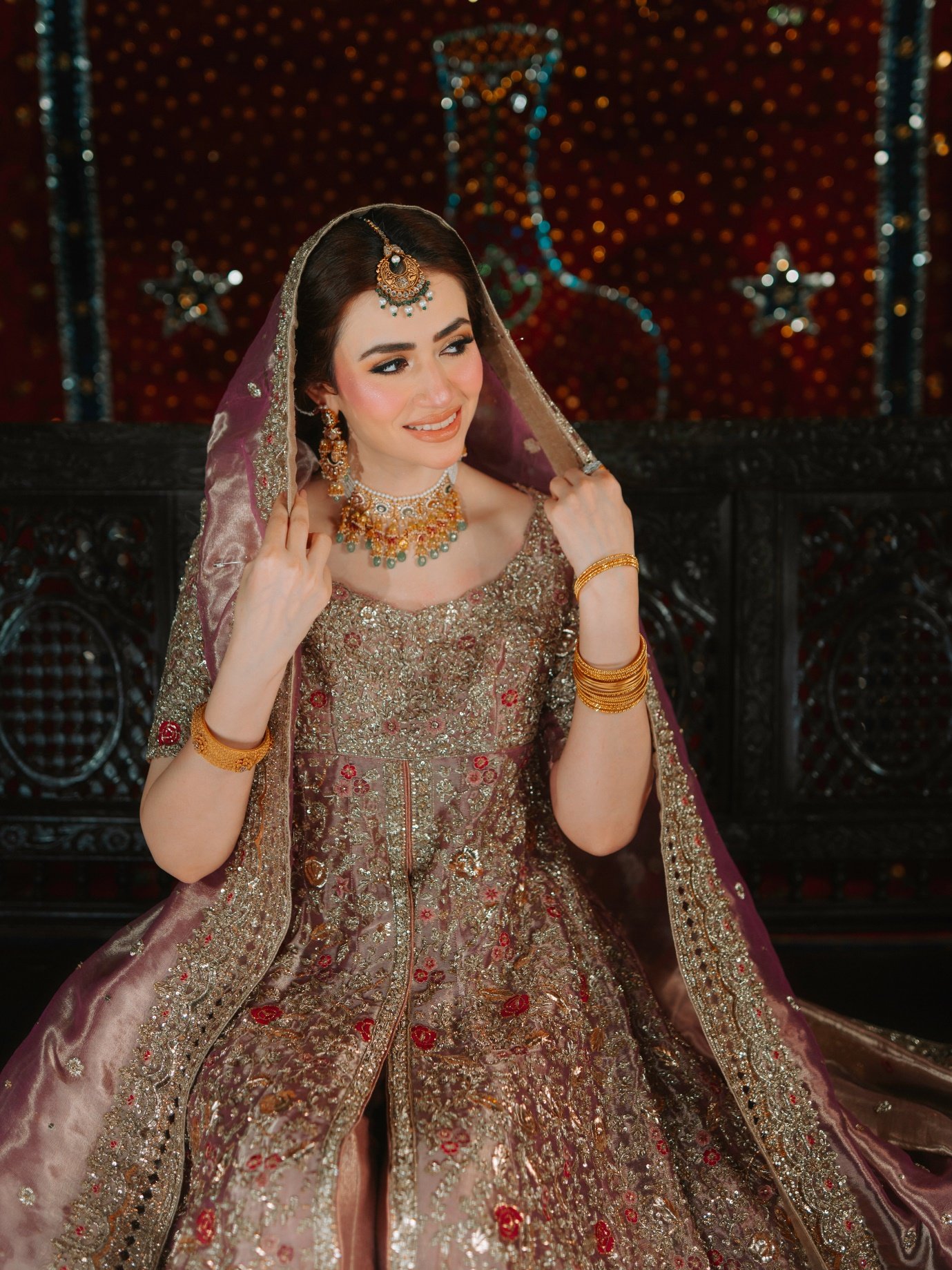

A Pakistani wedding is filled with traditions, emotions, colours, and celebrations, and jewellery remains one of the most important parts of a bride’s overall look. From the engagement ceremony and mayun to the nikah, baraat, and walima, every event gives a bride the opportunity to express a different side of her personality.
Choosing bridal jewellery, however, is about much more than selecting the heaviest necklace or the largest diamond set. The right jewellery should complement the bridal outfit, suit the bride’s features, work with the wedding theme, remain comfortable throughout the celebrations, and ideally become something she can continue wearing long after her wedding.
For brides beginning their search, this complete bridal jewellery buying guide covers everything from gold and diamond jewellery to necklaces, earrings, bangles, rings, gemstones, budgeting, and selecting the right jeweller in Pakistan.
1. Start With Your Bridal Outfit:
Before purchasing your main bridal jewellery, finalize or at least shortlist your wedding outfit.
The neckline, embroidery, colour palette, fabric, and overall styling of the dress can dramatically influence which jewellery works best.
For example, a heavily embellished bridal dress may look more balanced with jewellery that has a strong focal point instead of several competing elements. A relatively minimal bridal outfit can provide more room for a statement necklace, layered jewellery, or an elaborate bridal set.
Traditional Pakistani bridal colours such as red, maroon, deep green, gold, and ivory work beautifully with yellow gold jewellery. Contemporary pastel bridal dresses can pair exceptionally well with diamonds, white gold, rose gold, pearls, or lighter gemstone combinations.
The objective should be harmony between the jewellery and the dress rather than having one overpower the other.
2. Decide Between Gold, Diamonds, or a Combination:
One of the first major decisions is choosing the primary jewellery style for your bridal look.
Gold Bridal Jewellery
Gold continues to hold an important place in Pakistani weddings because of its cultural significance, appearance, and long-term value.
Depending on the jewellery design, brides may explore different gold purities such as 18K, 21K, or 22K. Higher-purity gold provides a richer traditional gold appearance, while 18K gold is commonly preferred for jewellery incorporating diamonds and gemstones because it offers greater structural strength.
Gold bridal jewellery works particularly well for:
- Traditional Pakistani bridal looks
- Heritage-inspired jewellery
- Statement bangles
- Gold necklaces
- Jhumkas
- Chokers
- Long haar designs
- Gold rings
Diamond Bridal Jewellery
Diamond jewellery is an excellent choice for brides seeking a more refined and contemporary bridal appearance.
Diamond necklaces, earrings, bracelets, and rings work beautifully for walima celebrations as well as modern nikah and reception looks.
When purchasing significant diamond jewellery, always understand the important diamond characteristics, including:
- Cut
- Colour
- Clarity
- Carat weight
- Certification
For important diamond purchases, certification from internationally recognized laboratories such as GIA or HRD can provide greater transparency and confidence regarding the diamond’s characteristics.
Gold and Diamond Combinations
Pakistani brides do not necessarily need to choose one or the other.
A carefully designed combination of gold, diamonds, and gemstones can create a richer bridal composition while maintaining a sophisticated appearance.
3. Understand the Essential Bridal Jewellery Pieces:
A complete bridal jewellery collection can contain several different pieces, but not every bride needs all of them.
The most important consideration is creating visual balance.
Bridal Necklace:
The necklace is usually the centerpiece of the bridal jewellery look.
Popular bridal necklace styles include:
Choker Necklace:
A choker sits close to the neck and works beautifully with deeper necklines and traditional bridal outfits.
Statement Necklace:
A larger necklace creates a strong focal point and may eliminate the need for excessive additional jewellery.
Long Haar:
Long necklaces add depth to traditional bridal styling and can be layered with a choker for a regal appearance.
Diamond Necklace:
Diamond necklaces are especially popular for walima and reception looks because they complement both traditional and contemporary outfits.
Bridal Earrings:
Earrings frame the face and can completely change the character of a bridal look.
Popular choices include:
- Jhumkas
- Chandbalis
- Diamond drop earrings
- Stud-and-drop combinations
- Gemstone earrings
- Traditional gold earrings
Brides wearing a very elaborate necklace may prefer slightly more restrained earrings to keep the overall look balanced.
Bridal Bangles and Bracelets:
Bangles remain deeply connected with Pakistani bridal traditions.
A bride may choose a complete bangle stack using gold bangles, gemstone bangles, diamond bangles, or a combination of traditional and contemporary pieces.
Diamond bracelets can also provide a cleaner alternative for walima or reception styling.
Bridal Rings:
Your engagement or wedding ring will naturally remain central, but additional statement rings can enhance the bridal composition.
When purchasing a diamond engagement ring, consider long-term wearability in addition to appearance.
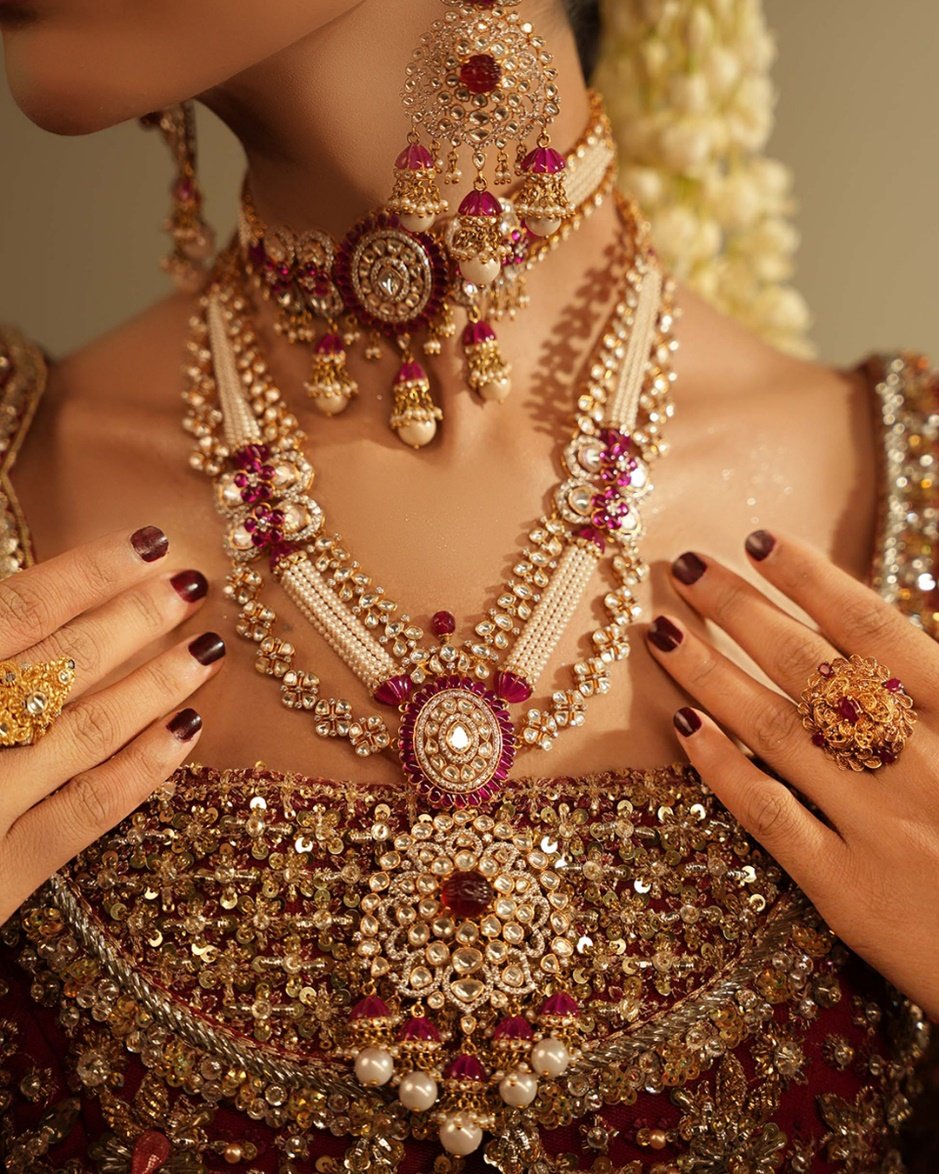
Maang Tikka and Head Jewellery:
A maang tikka can beautifully frame the face and strengthen the traditional character of the bridal look.
However, its size should complement the hairstyle, forehead proportions, and earrings.
Nath:
The traditional bridal nath can create a striking Pakistani bridal appearance. Brides should select a size that suits their facial structure and remains comfortable for the duration of the event.
4. Choose Jewellery According to Your Face Shape:
Jewellery should enhance the bride rather than simply follow a trend.
Round Face:
Longer earrings and slightly elongated jewellery can help create visual balance.
Oval Face:
Oval faces generally work well with a wide variety of earrings, including chandbalis, jhumkas, drops, and studs.
Heart-Shaped Face:
Earrings with slightly wider lower sections can complement a narrower chin.
Square Face:
Curved earrings, rounded jewellery shapes, and softer silhouettes can balance stronger facial angles.
These are helpful guidelines rather than strict rules. Personal preference should remain the deciding factor.
5. Match Your Necklace With the Bridal Neckline:
Neckline and necklace proportions are especially important.
For a deep neckline, layered necklaces or a statement necklace can fill the space beautifully.
For a high neckline, a choker or carefully positioned necklace may work better than multiple overlapping layers.
For a heavily embroidered neckline, avoid selecting a necklace that competes with the embroidery.
A bridal trial with the actual outfit is one of the best ways to confirm the final combination.
6. Consider Gemstone Bridal Jewellery:
Gemstones can introduce colour, symbolism, and individuality into bridal jewellery.
Some popular gemstone choices include:
- Emeralds
- Rubies
- Sapphires
- Pearls
Emerald jewellery pairs particularly well with red, maroon, gold, and ivory bridal outfits.
Ruby accents can strengthen traditional red and gold wedding palettes, while sapphires can create beautiful contrast with lighter outfits.
The key is using colour strategically rather than introducing too many competing tones.
7. Set a Bridal Jewellery Budget Early
One of the most important steps in bridal jewellery shopping is determining your budget before beginning serious purchases.
Divide the budget into categories such as:
- Main bridal necklace
- Earrings
- Bangles or bracelet
- Rings
- Maang tikka
- Additional jewellery
- Jewellery for other wedding events
Prioritize pieces that offer both bridal impact and long-term value.
For example, instead of spending the entire budget on one extremely elaborate set that may rarely be worn again, some brides prefer investing in a strong necklace and earrings that can later be styled separately.
8. Understand Gold Prices Before Buying:
Gold jewellery prices can change because the international gold market fluctuates.
The final jewellery price generally depends on several factors, including:
- Current gold rate
- Gold purity
- Weight
- Craftsmanship
- Making charges
- Stones or diamonds
- Design complexity
When comparing jewellery prices in Pakistan, comparing only the final price can be misleading.
Two pieces that appear similar may differ significantly in weight, gold purity, craftsmanship, stone quality, or diamond characteristics.
Always ask your jeweller for proper product details.
9. Check Diamond Certification:
For significant diamond purchases, certification is extremely important.
A professional diamond certificate provides details regarding characteristics such as:
Carat: The diamond’s weight.
Colour: The degree to which the diamond is colourless.
Clarity: The presence or absence of internal and external characteristics.
Cut: How effectively the diamond has been shaped and proportioned to interact with light.
Certificates from respected laboratories such as GIA and HRD provide buyers with documented information about the diamond they are purchasing.
10. Prioritize Craftsmanship:
Bridal jewellery is often admired from very close distances, particularly during photography and wedding ceremonies.
Details matter.
Examine:
- Stone setting
- Polish
- Symmetry
- Clasps
- Finishing
- Links
- Back construction
- Comfort
- Overall durability
A beautifully designed piece should look refined not only from the front but also in its construction.
Good craftsmanship becomes even more important when jewellery includes intricate patterns, gemstones, diamonds, or delicate settings.
11. Think About Comfort:
Bridal jewellery can be visually impressive and still become uncomfortable after several hours.
Remember that Pakistani wedding events can last for many hours, including photography sessions, greetings, ceremonies, and dinners.
Before finalizing jewellery, check:
- Necklace weight
- Earring weight
- Earring support
- Bracelet movement
- Ring fitting
- Necklace clasp
- Sharp edges
- Skin comfort
If earrings are particularly heavy, discuss possible support options with the jeweller.
Comfort should never be treated as an afterthought.
12. Select Jewellery for Different Wedding Events:

Pakistani weddings usually involve several celebrations, and wearing a completely identical jewellery style at every event can make each look feel repetitive.
Engagement:
Diamond rings, delicate necklaces, bracelets, and modern earrings work beautifully.
Mayun or Mehndi:
Lighter jewellery, colourful gemstones, gold earrings, or selective statement pieces often work best because these events usually have a more relaxed character.
Nikah:
Depending on the outfit, brides may choose diamonds, pearls, gold jewellery, or a sophisticated combination.
Baraat:
The baraat traditionally allows for the most elaborate bridal jewellery.
Chokers, long necklaces, bangles, statement earrings, maang tikkas, and traditional jewellery elements can all be incorporated.
Walima:
Many brides prefer a cleaner and more contemporary jewellery direction for the walima.
Diamonds, white gold, refined gemstones, and sophisticated necklace-and-earring combinations are particularly suitable.
13. Avoid Buying Jewellery Simply Because It Is Trending:
Jewellery trends change quickly.
Your wedding photographs, however, will remain with you for decades.
Instead of purchasing jewellery solely because it is currently popular on social media, consider whether the design reflects your personal taste.
The best bridal jewellery often feels relevant to the bride rather than to a particular season.
A distinctive piece can also become part of future family celebrations and potentially be passed to the next generation.
14. Consider How the Jewellery Can Be Worn After the Wedding:
Versatility can make bridal jewellery a much better investment.
Ask yourself:
Can the earrings be worn separately?
Can the necklace work with formal outfits later?
Can a long necklace be styled without the choker?
Can bangles be divided into smaller combinations?
Can the pendant or gemstone section be worn independently?
Jewellery that can be restyled offers far greater usability after the wedding.
15. Start Bridal Jewellery Shopping Early:
Avoid leaving important jewellery purchases until the final weeks before the wedding.
Custom designs, sizing adjustments, stone sourcing, engraving, and made-to-order pieces can require additional time.
Starting early also allows brides to compare designs properly instead of making rushed decisions.
Ideally, major bridal jewellery decisions should begin several months before the wedding.
16. Visit the Jewellery Boutique Before Making a Final Decision:
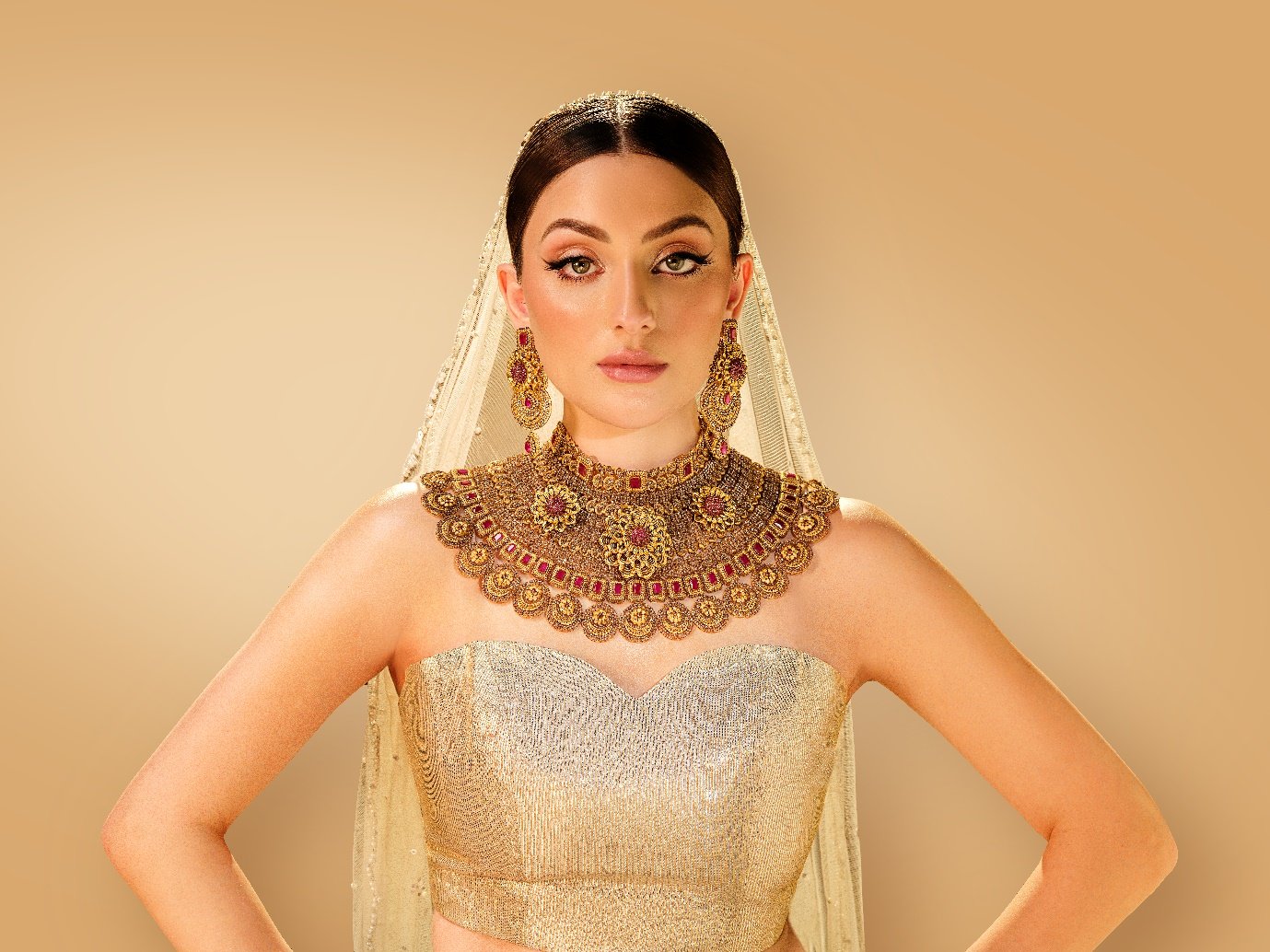
Online browsing is excellent for creating a shortlist, but important bridal jewellery should ideally be experienced personally before final selection.
Seeing jewellery in person allows you to understand:
- Actual proportions
- Gold colour
- Diamond brilliance
- Stone shades
- Weight
- Craftsmanship
- How the jewellery sits on your neckline
- How it looks against your skin tone
A private bridal consultation can also help create a coordinated jewellery composition rather than purchasing individual pieces without considering the complete bridal look.
17. Choose a Trusted Jeweller:
Selecting the right jeweller is as important as selecting the jewellery itself.
Before purchasing bridal jewellery in Pakistan, consider:
- Brand reputation
- Product transparency
- Gold purity details
- Diamond information
- Certification where applicable
- Craftsmanship
- Customer service
- After-sales support
- Established physical presence
Bridal jewellery is often one of the most valuable purchases associated with a wedding, so trust and transparency should remain priorities.
Bridal Jewellery at HANIF:
For brides exploring bridal jewellery in Pakistan, HANIF offers a distinctive selection of gold, diamond, and gemstone jewellery designed for weddings, celebrations, and significant life moments.
From bridal necklaces and statement earrings to rings, bracelets, bangles, and diamond jewellery, brides can explore pieces suited to both traditional Pakistani bridal styling and contemporary wedding aesthetics.
With boutiques in Lahore, Islamabad, and Dubai, HANIF provides customers with the opportunity to explore jewellery personally and receive guidance when selecting pieces for different wedding occasions.
HANIF’s diamond jewellery also includes pieces featuring natural diamonds, with internationally recognized certification such as GIA or HRD available where applicable.
Bridal Jewellery Buying Checklist
Before making your final purchase, remember to check:
- Bridal outfit and jewellery colours complement each other
- Necklace suits the neckline
- Earrings suit the face shape and hairstyle
- Jewellery is comfortable enough for long wear
- Gold purity is clearly mentioned
- Diamond characteristics are understood
- Certification is available where applicable
- Jewellery craftsmanship has been inspected
- Sizes and fittings have been confirmed
- Budget has been finalized
- Jewellery can potentially be worn after the wedding
- Custom or pre-order timelines have been confirmed
- Purchase is being made from a trusted jeweller
Final Thoughts:
Choosing bridal jewellery should be an exciting part of wedding preparation rather than an overwhelming one.
Begin with your outfit, establish your budget, understand the materials you are purchasing, and focus on jewellery that complements your personality. Whether you prefer traditional Pakistani gold jewellery, natural diamond jewellery, colourful gemstones, or a carefully balanced combination, the best bridal look is one in which every piece feels connected.
Most importantly, bridal jewellery should extend beyond a single wedding day. Well-chosen pieces can remain part of future celebrations, personal milestones, and family memories for years to come.
For brides searching for bridal jewellery in Pakistan, gold bridal jewellery, diamond jewellery, bridal jewellery in Lahore, or bridal jewellery in Islamabad, exploring collections personally and receiving professional guidance can make the selection process considerably easier.
