

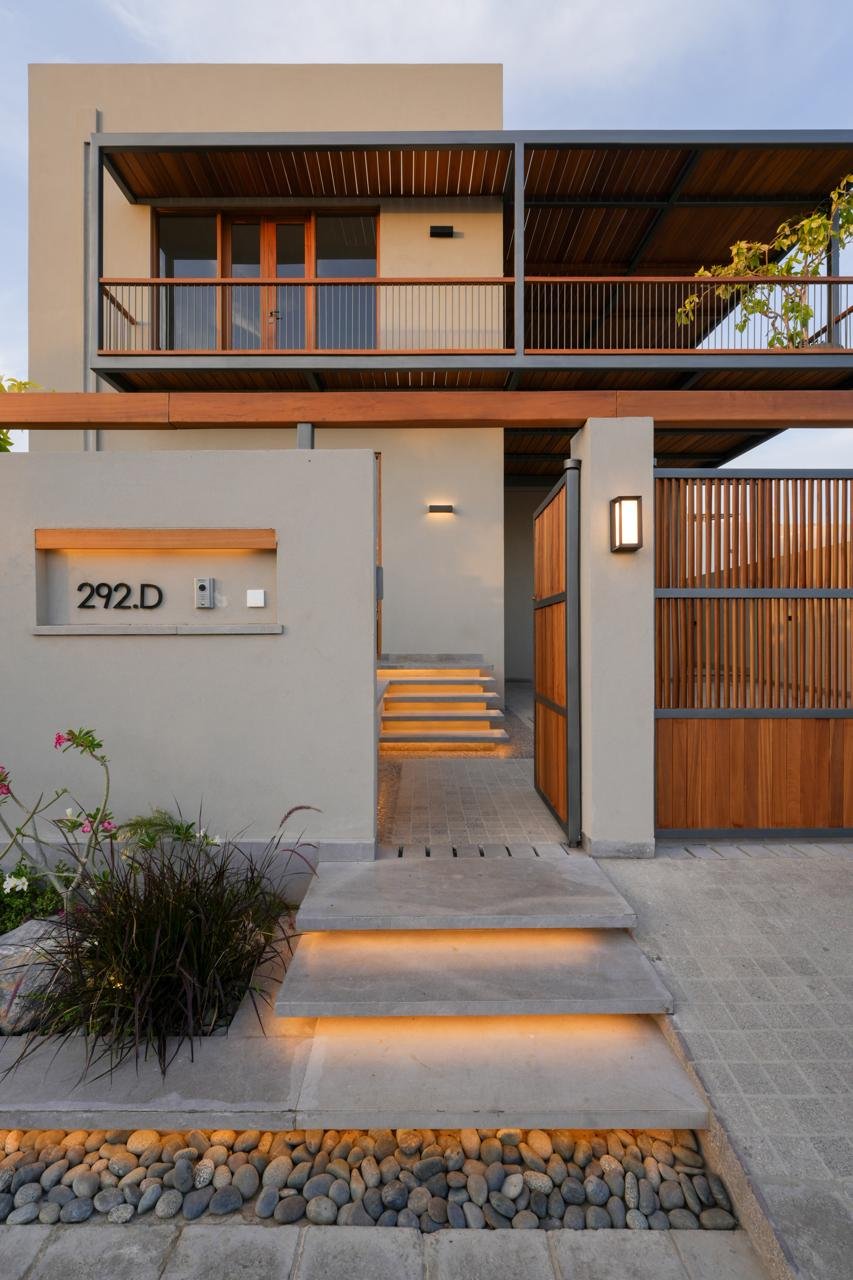

In a city where homes are typically revealed only once they are fully lived in—styled, settled, and shaped by routine—292 Lightwell Residence offered something far more rare. For two days in DHA Phase 8, Karachi, the residence opened its doors not as a finished home in use, but as a space in transition—untouched, unoccupied, and open to
interpretation.
What unfolded was not a conventional open house, but an immersive, almost meditative experience. One that invited visitors to slow down, observe, and engage with the space beyond its surface.
At the heart of the project is a layered collaboration. Developed by MABP Builders & Developers in partnership with SAMRA & Co, and designed by architect Khadija tul Kubra, the residence reflects a design philosophy rooted in restraint where proportion, balance, and clarity take precedence over excess. Yet, what truly defined the experience was not just the architecture, but what it held within it.
Curated by Studio Sera in collaboration with Zarmeene Shah, Haus Edit Vol. 01 introduced a temporary narrative into the home. Art and furniture were not treated as decorative elements, but as intentional interventions, subtly influencing how each space was perceived and felt.
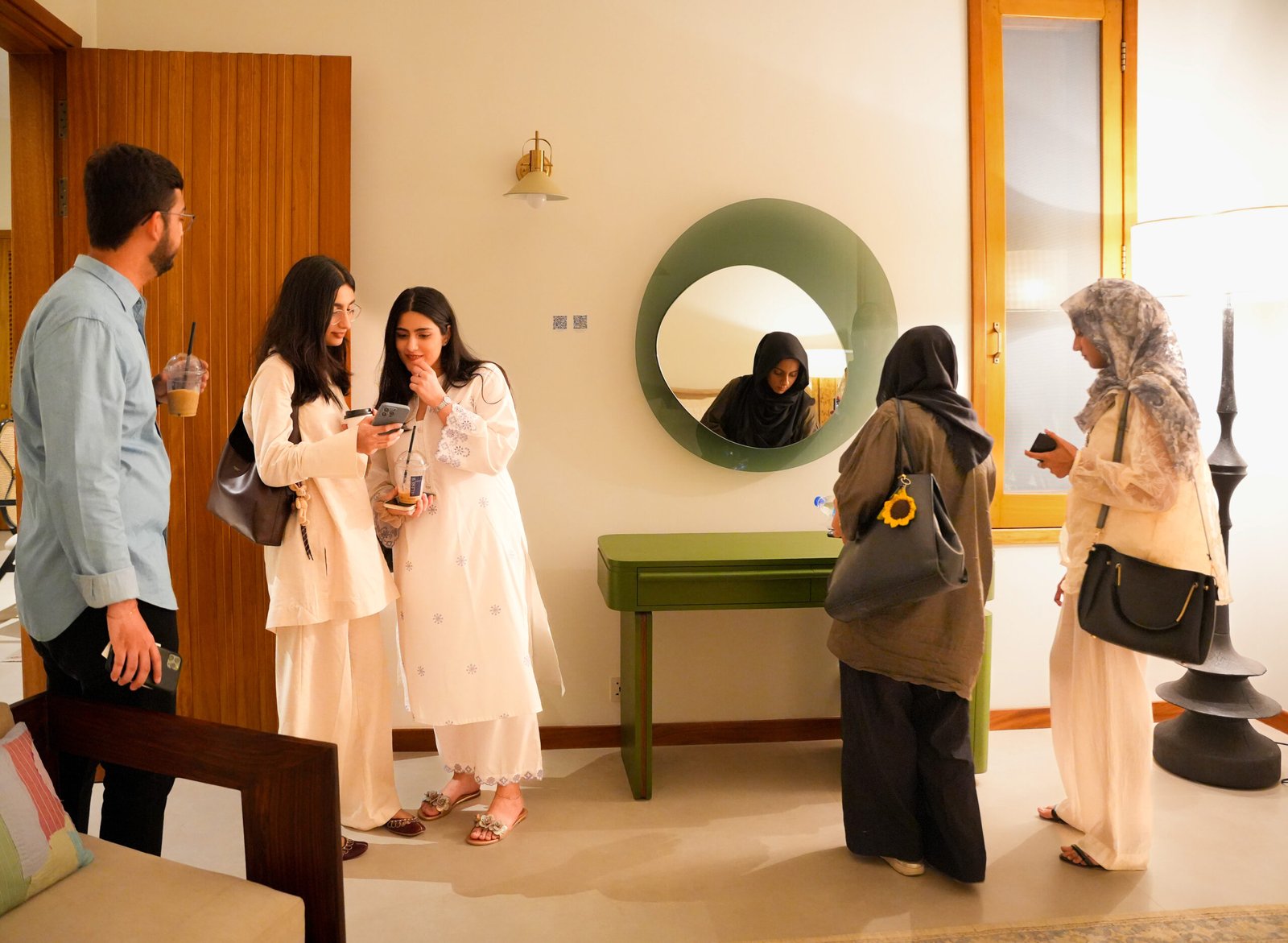
There was no prescribed path. Visitors moved intuitively, drawn by moments rather than directions. A chair placed slightly off-center shifted the rhythm of a room. An artwork redefined an otherwise quiet wall. Natural light, filtering through the west-facing structure, became an active participant changing the atmosphere as the day unfolded. What this did, quite simply, was alter the pace. People weren’t moving through the house, they were spending time in it.
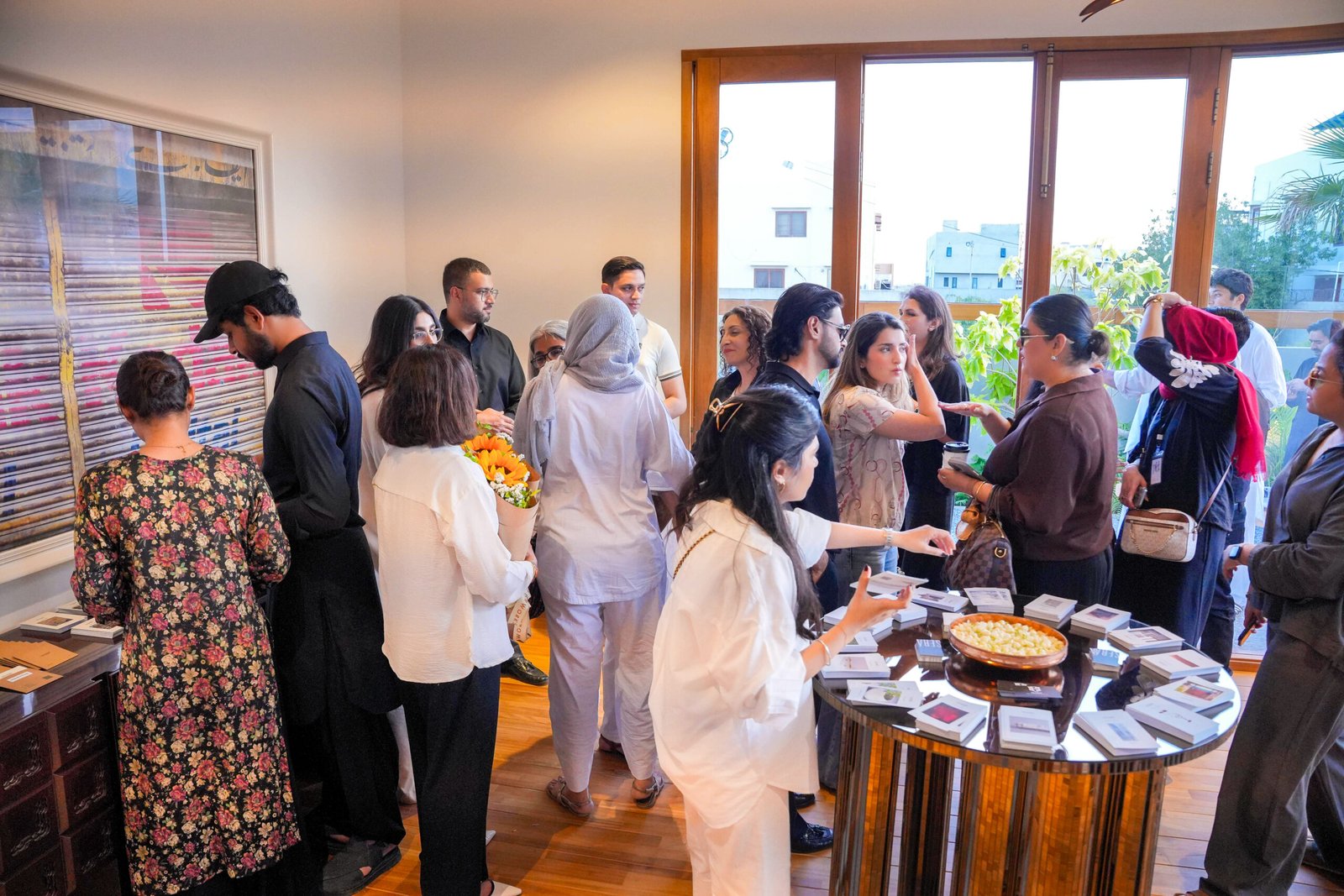
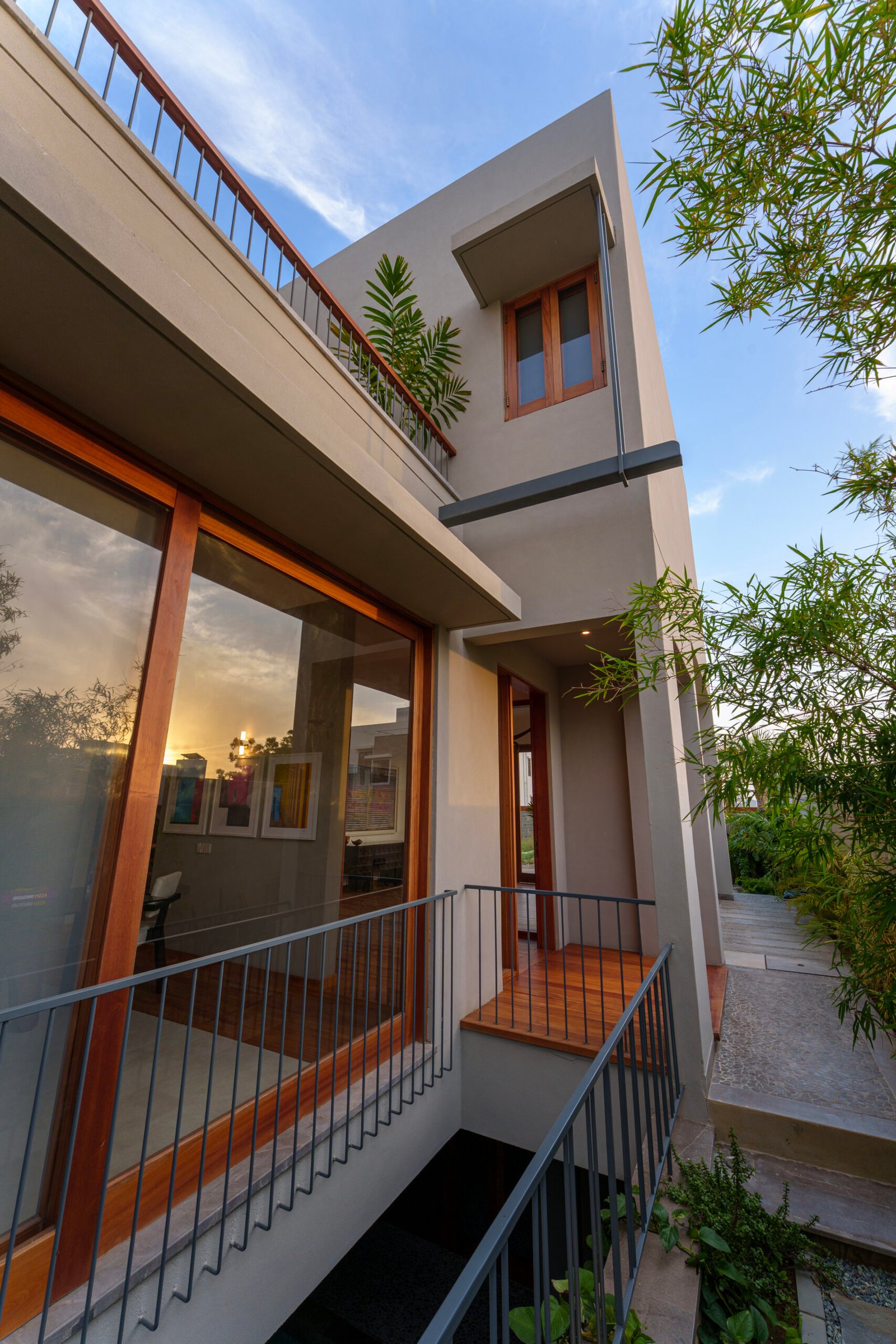
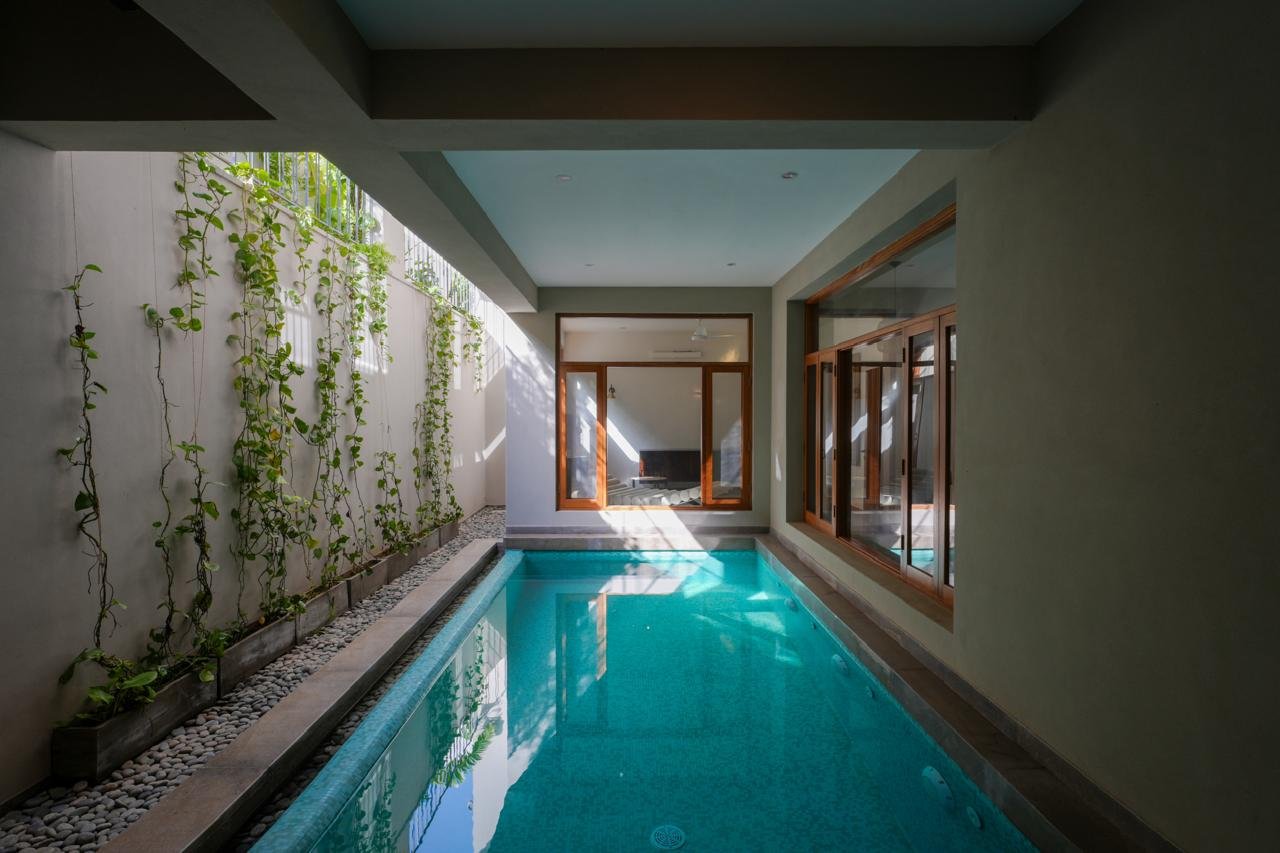
Spanning three levels, the residence balances openness with privacy. Spaces flow seamlessly without losing definition, while more intimate areas remain thoughtfully contained. The material palette echoes this restraint. Wood, stone, and muted finishes layered with precision, never competing for attention. From window detailing to fixtures and fittings, every element speaks to longevity and quiet sophistication rather than spectacle. And perhaps that is where the project finds its strongest relevance.
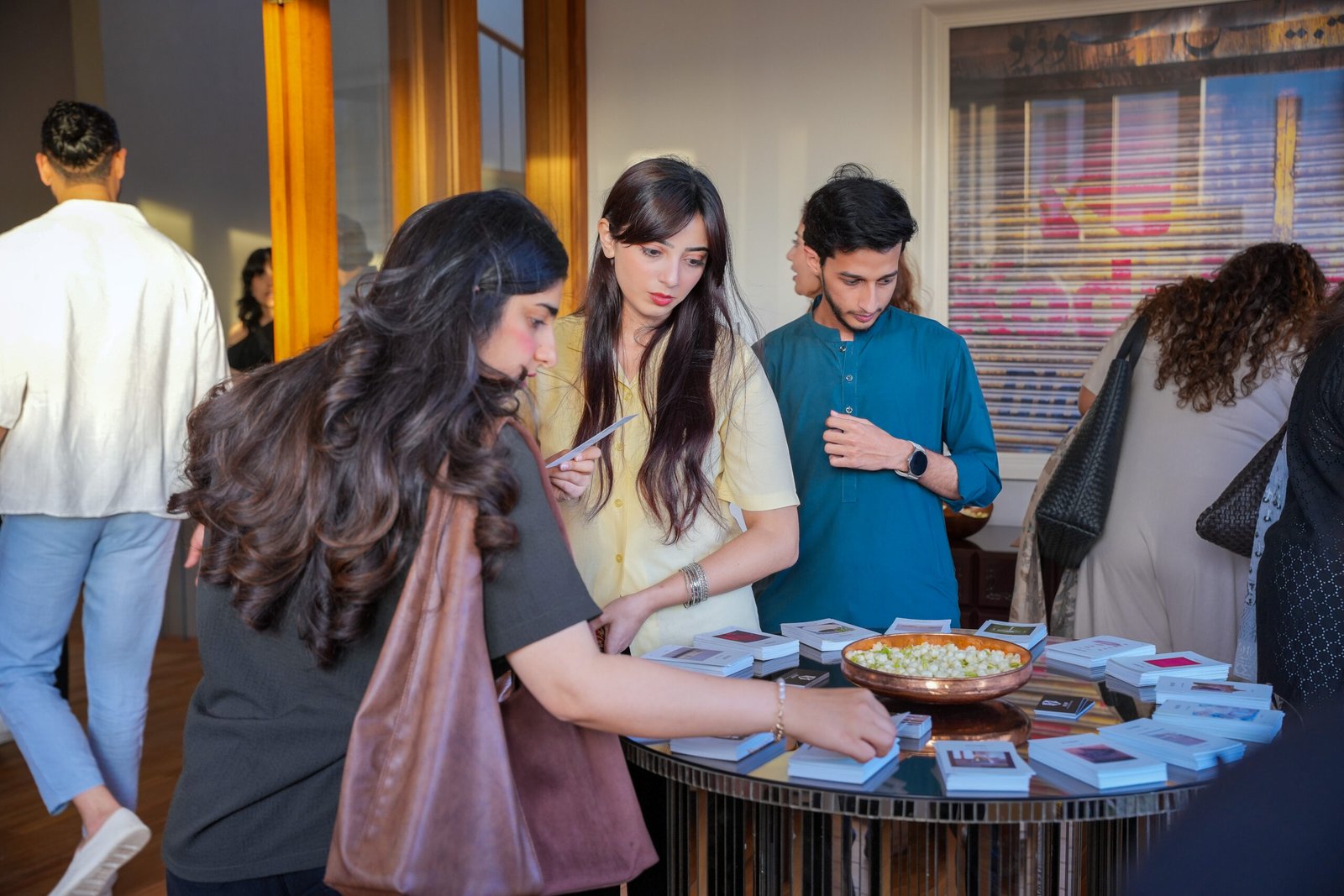
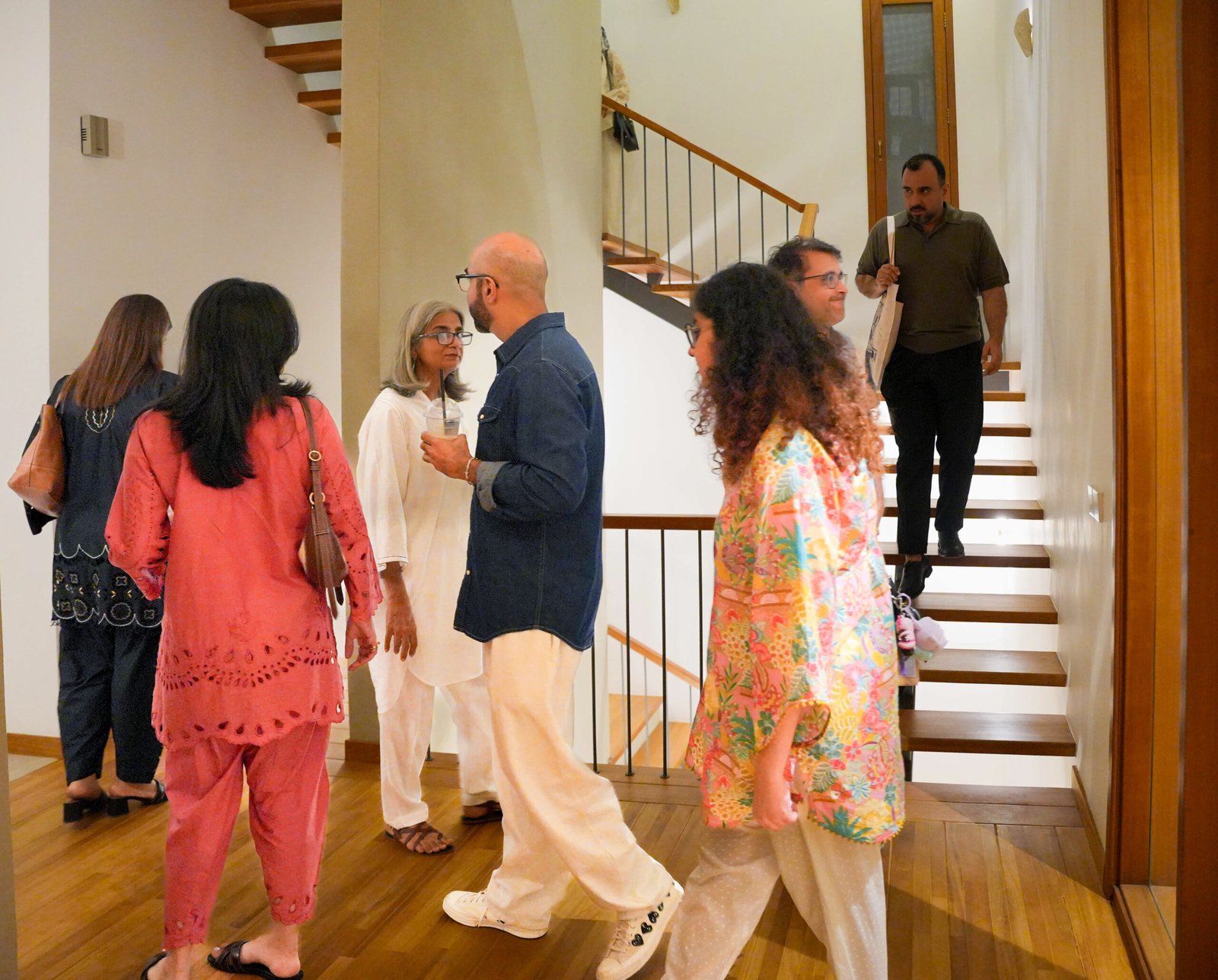

Karachi’s residential landscape often oscillates between visual excess and purely functional builds. 292 Lightwell Residence positions itself somewhere in between, suggesting that a home can be both expressive and intentional without being overwhelming.
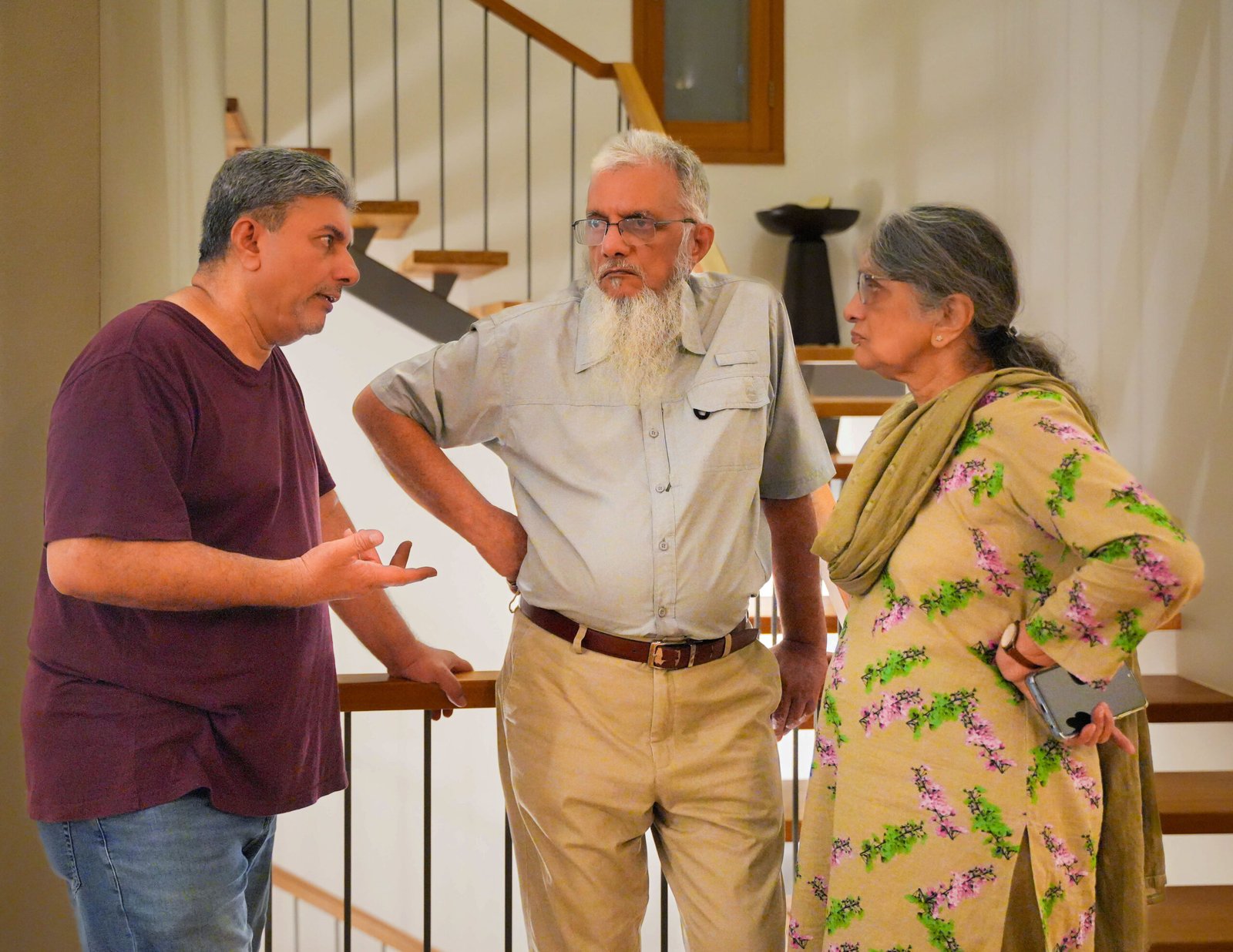
The conversations during the open house reflected this shift. Visitors weren’t just responding to how the space looked, but questioning how it worked, how it felt, and how it might evolve once inhabited. That “in-between” state neither empty nor lived in became the most compelling part of the experience.
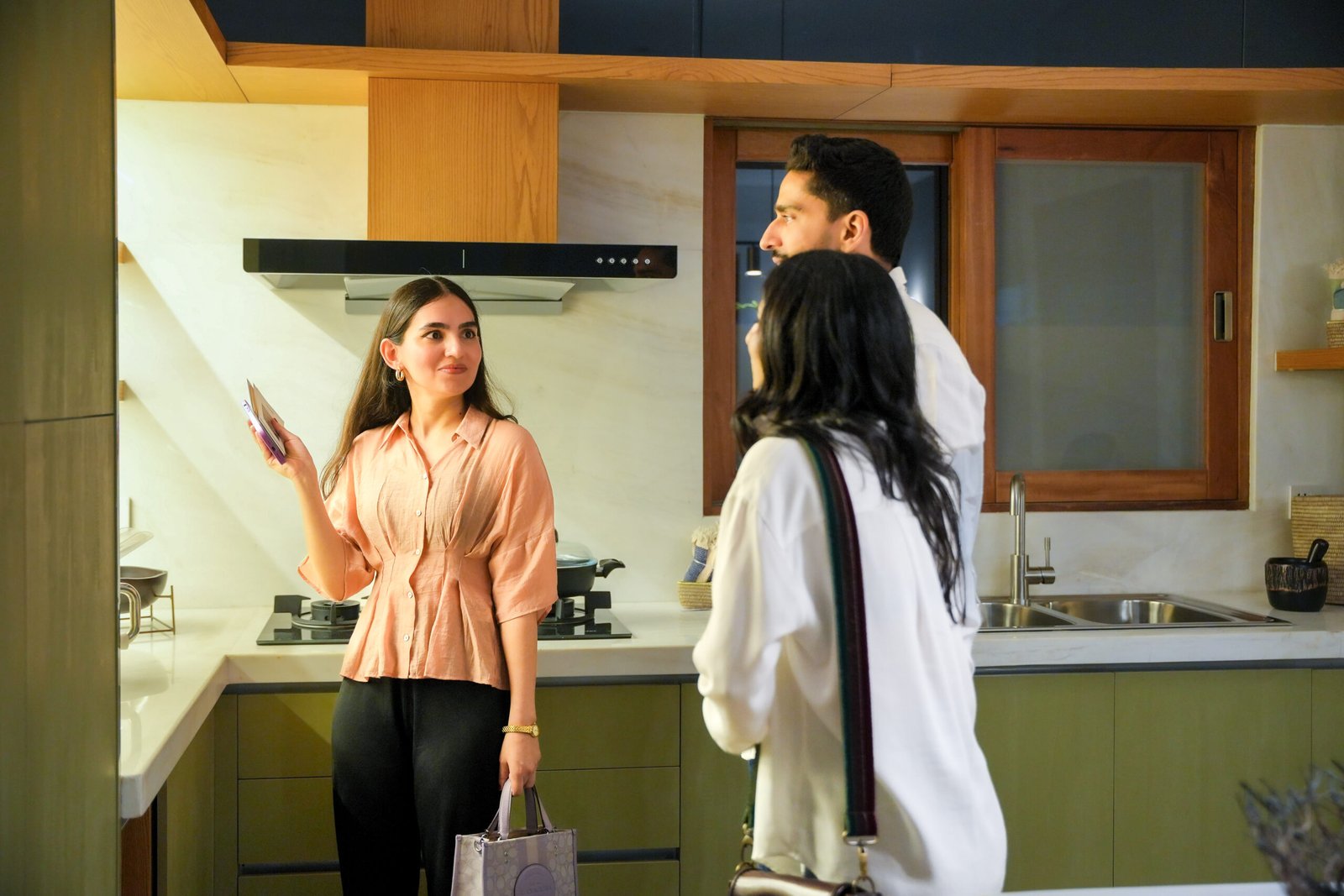
By opening the home before occupation, the team allowed the architecture to exist on its own terms, while simultaneously demonstrating its ability to hold art, objects, and life without losing its identity. For a brief moment, 292 Lightwell Residence existed without ownership, without routine, and without the usual markers of domestic life. And in that moment, it offered something rare: a clearer, more considered vision of what a home can be, before it becomes someone’s version of it.
