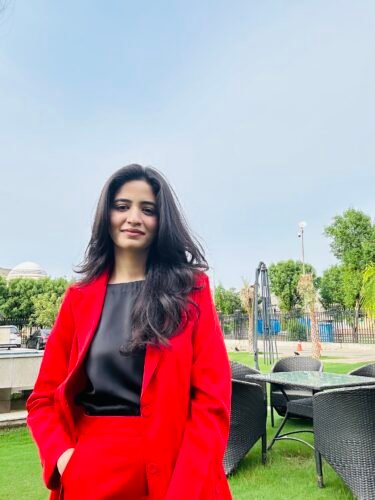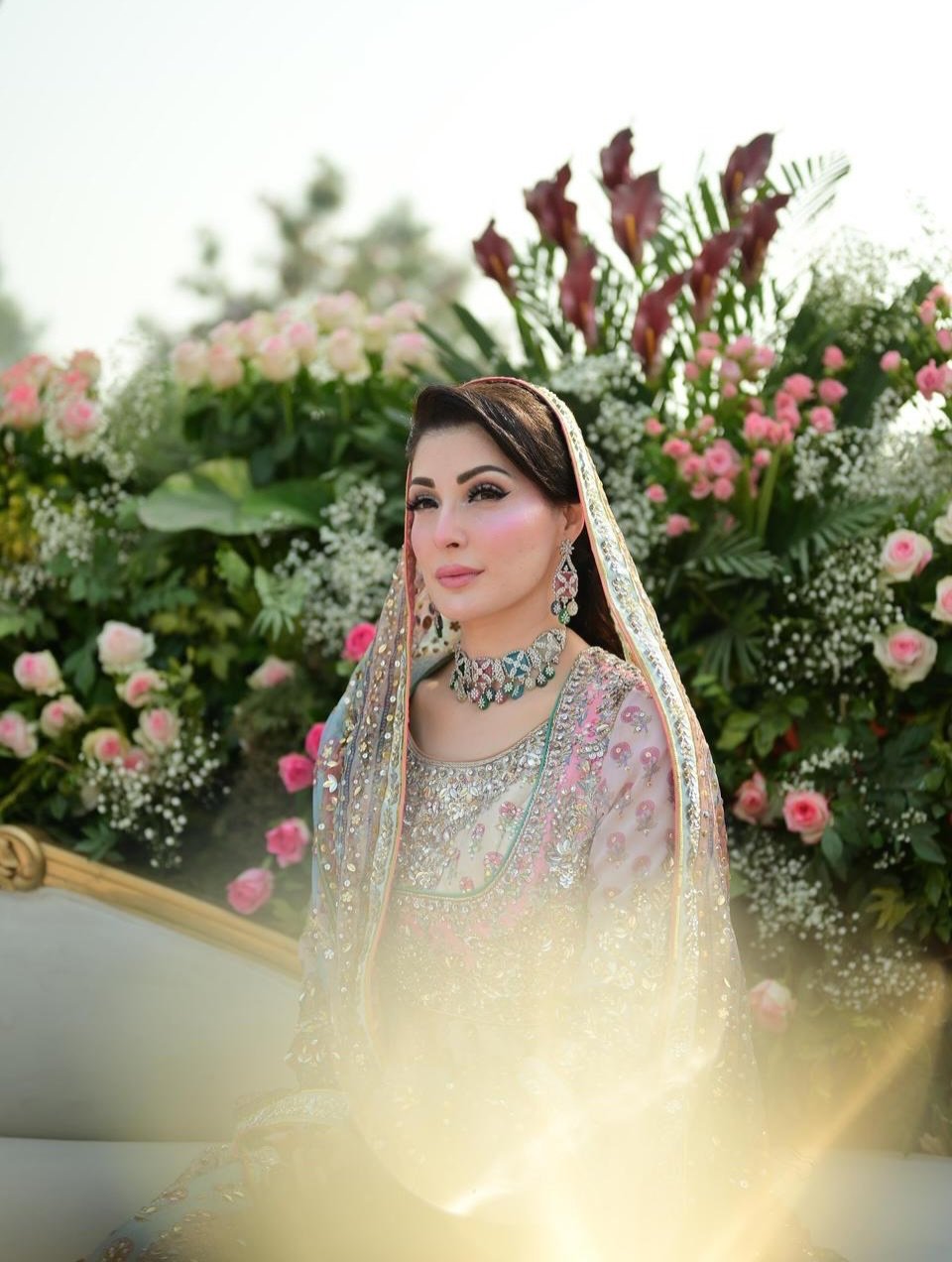

Pakistani society and its ability to ruthlessly scrutinize any woman for her physical appearance is almost commendable. No wonder we remain an intensely patriarchal setup that has failed women time and again, often with absolutely no remorse. With Junaid Safdar’s wedding over the weekend, Maryam Nawaz once again stepped into the limelight. As a society, we revealed our obsession with reducing a woman’s capacity to perform or contribute beyond her physical appearance. The fixation on Maryam’s alleged cosmetic procedures has entirely diverted attention from any serious discourse on her performance as Punjab’s first-ever woman Chief Minister, shifting instead to whether she, as a privileged woman fully capable of investing in her appearance and exercising autonomy over her body, is somehow undeserving or morally suspect for doing so.
View this post on Instagram
To understand why this scrutiny exists and how deeply patriarchy shapes everyday life, it helps to look at the broader social position of women in Pakistan: https://en.wikipedia.org/wiki/Women_in_Pakistan
From Political Authority to Physical Scrutiny:
CM Punjab’s son was getting married again, and social media was abuzz with commentary. Opinions and hot takes from every other person started flooding in.
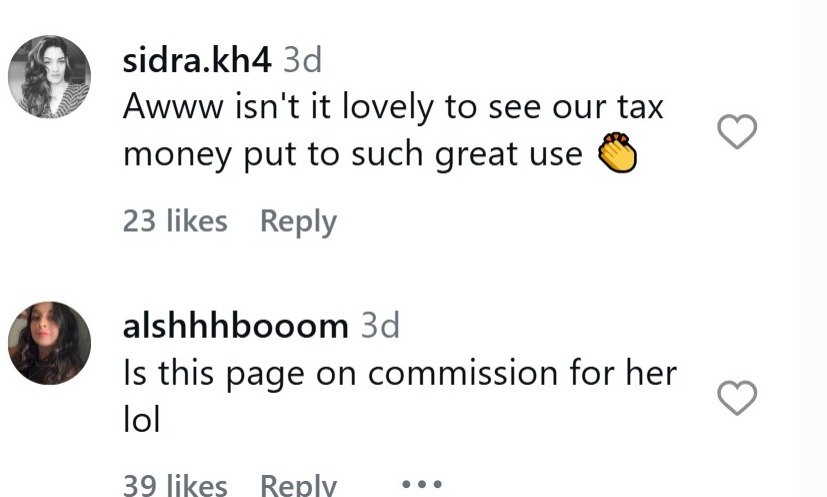
Why Women in Power Are Reduced to Their Looks:
While Maryam Nawaz wasn’t really a new topic this time, Maryam Aurangzaib’s evident transformation left people wondering how many procedures she had gone through to achieve what many called “perfect” features.
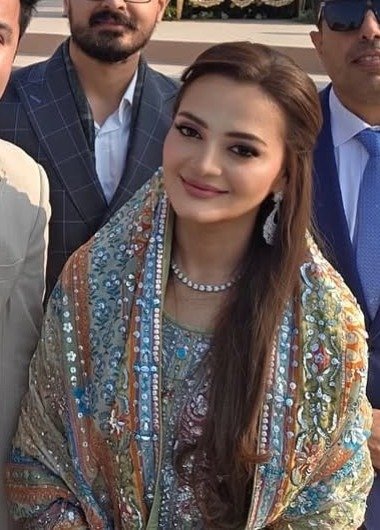
Previously, we have witnessed Ayeza Khan being criticized and judged for a choice she made for her body and appearance, showing how a woman’s autonomy over her body is a much bigger social problem than men being outright misogynists in public.
View this post on Instagram
When a Woman’s Autonomy Becomes a Public Trial:
Being a public figure, especially in power, one becomes automatically prone to public accountability, but judgment clouded by gender bias establishes an inevitable paradox. The expense of the alleged surgeries is up for debate, but how does that undermine one’s ability to perform as a woman?
Why Male Violence Rarely Sparks the Same Outrage?
The lack of hesitation with which Pakistanis comment on a woman’s appearance should be practiced with the same urgency when a man beats his wife or literally murders her. Cases like Feroze Khan abusing his wife, Ayesha Jahanzaib being abused by her husband, or even Sana Yousaf’s murder were openly defended by men in comment sections.
Read more about Sana Yousaf’s murder case: https://sunday.com.pk/fashion/trends-fashion/sana-yousaf-murder-case-tiktok-star-killed-for-saying-no/
Selective Accountability and Patriarchal Double Standards:
The real question is how many times we have judged men for making choices that are genuinely harmful to society at large. How often do we criticize a man for being involved in illegal activities such as drug dealing or trafficking? These are the actions that perpetuate violent behaviors, but still, somehow, a woman and her deeply personal choice is a bigger threat.
While moral outrage is selectively deployed, even awareness of basic anti-harassment laws meant to protect Pakistani women remains alarmingly low. Read them on Sunday:
https://sunday.com.pk/lifestyle/9-anti-harassment-laws-every-pakistani-woman-must-know/
Auditing a Woman’s Body, Excusing a Man’s Crimes:
Moreover, the financial expense of cosmetic surgery undertaken by a woman is never compared to the ease with which a man spends his earnings on expensive cars, bonds, watches, accessories, or real estate, yet somehow a woman’s financial choice becomes a far bigger issue. This selective outrage echoes a deeply rooted pattern in which patriarchy not only seeks to regulate a woman’s body but her finances as well. Her choices are readily made available for public scrutiny, often without any regard for the validity of the claims being made.
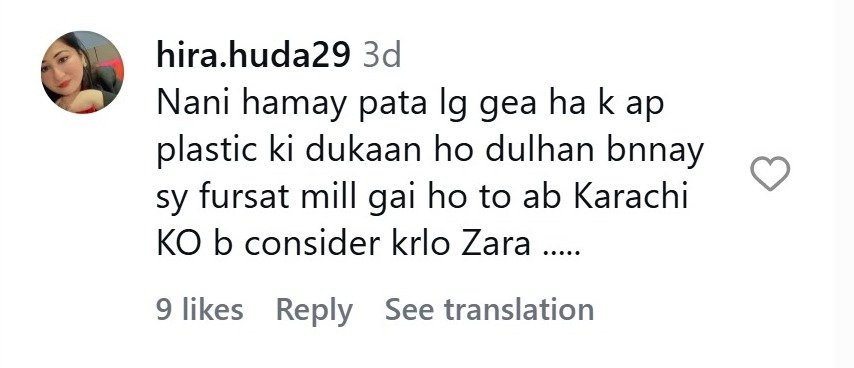


The Cost of Being a Woman in Power in Pakistan:
It is somehow far easier for everyone to question the moral and financial stakes of a woman’s decisions. Maryam Nawaz’s position and rank do not make her immune to the piercing misogynistic takes on her physical appearance, nor do they protect her from being reduced to her body rather than her political agency.
What Maryam Nawaz’s Criticism Reveals About Our Society?
Ultimately, the fixation on Maryam Nawaz’s appearance tells us far more about Pakistani society than it does about her. A system that feels entitled to audit a woman’s face, body, and finances while routinely excusing men’s violence, corruption, and criminality, reveals its moral priorities with brutal clarity. Women in power are not merely expected to perform; they are expected to do so quietly, modestly, and without visible autonomy. When they refuse, their bodies become battlegrounds and their choices moral trials. Until accountability is applied to men with the same intensity reserved for women’s appearances, these debates will remain less about ethics and more about control. And in that imbalance lies the real failure of our society.
Article By: Maryam Shakeel
Maryam Shakeel is a writer known for her incisive observations. Engaged with global pop culture, she examines music, media, and celebrity narratives as social texts, tracing their political subtexts, cultural tensions, and the formation of public mythologies.