

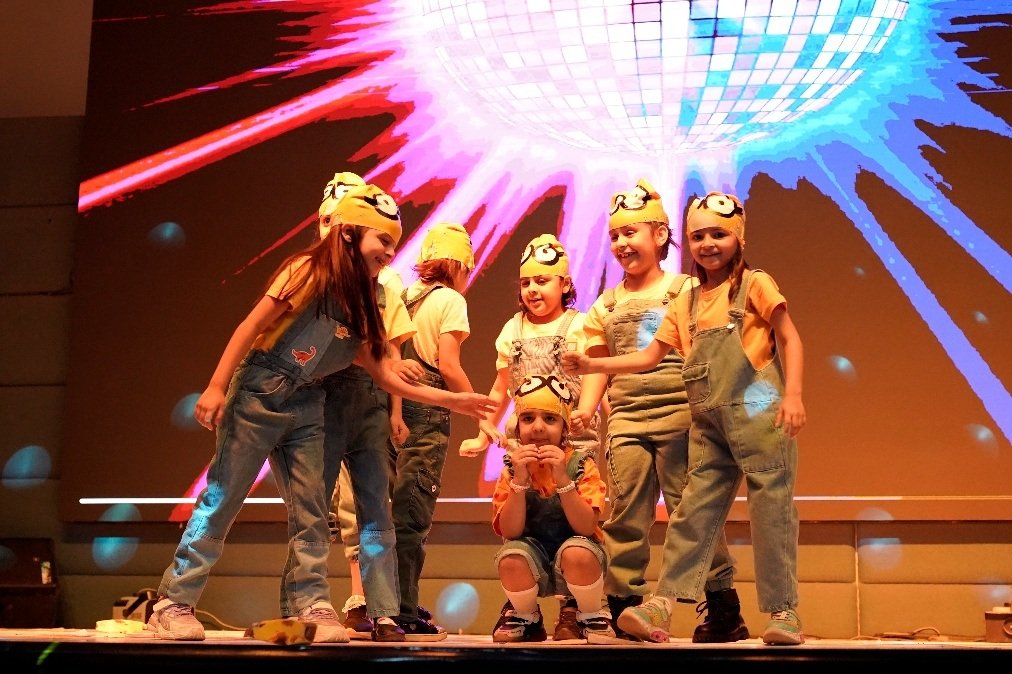

Let’s start with something many parents experience almost every day.
When your child comes home, you ask, “What did you learn today?” and the answer is often, “Nothing.”
And yet, just a little while later, the same child is building something out of cushions, asking endless “why” questions, or experimenting with random things in the kitchen like a little scientist.
It makes you wonder, if children are naturally this curious, why does learning sometimes feel boring to them?
The truth is, children haven’t changed. Their curiosity, creativity, and eagerness to explore are still very much alive. What has changed is the world around them.
The Changing Needs of Modern Education:
For many years, schools have done something truly remarkable. They created systems that could educate large numbers of children at once, offering structure, trained teachers, and a shared curriculum. It is a contribution that has shaped education for generations.
Why Creativity Matters More Than Ever?
But the world our children are growing up in today looks very different from the one those systems were designed for. Today, children will need to think creatively, solve unfamiliar problems, communicate their ideas clearly, and work with people who see the world differently.
Education expert Sir Ken Robinson spoke about this shift often. He reminded us that creativity isn’t something rare; it’s something every child has. And it deserves just as much importance as reading and writing.
The Shift Toward Experiential Learning:
This is where we begin to see a quiet but important shift in education. Across the world, learning is becoming more about understanding, questioning, exploring, and creating. Instead of simply learning about things, children are being encouraged to experience them.
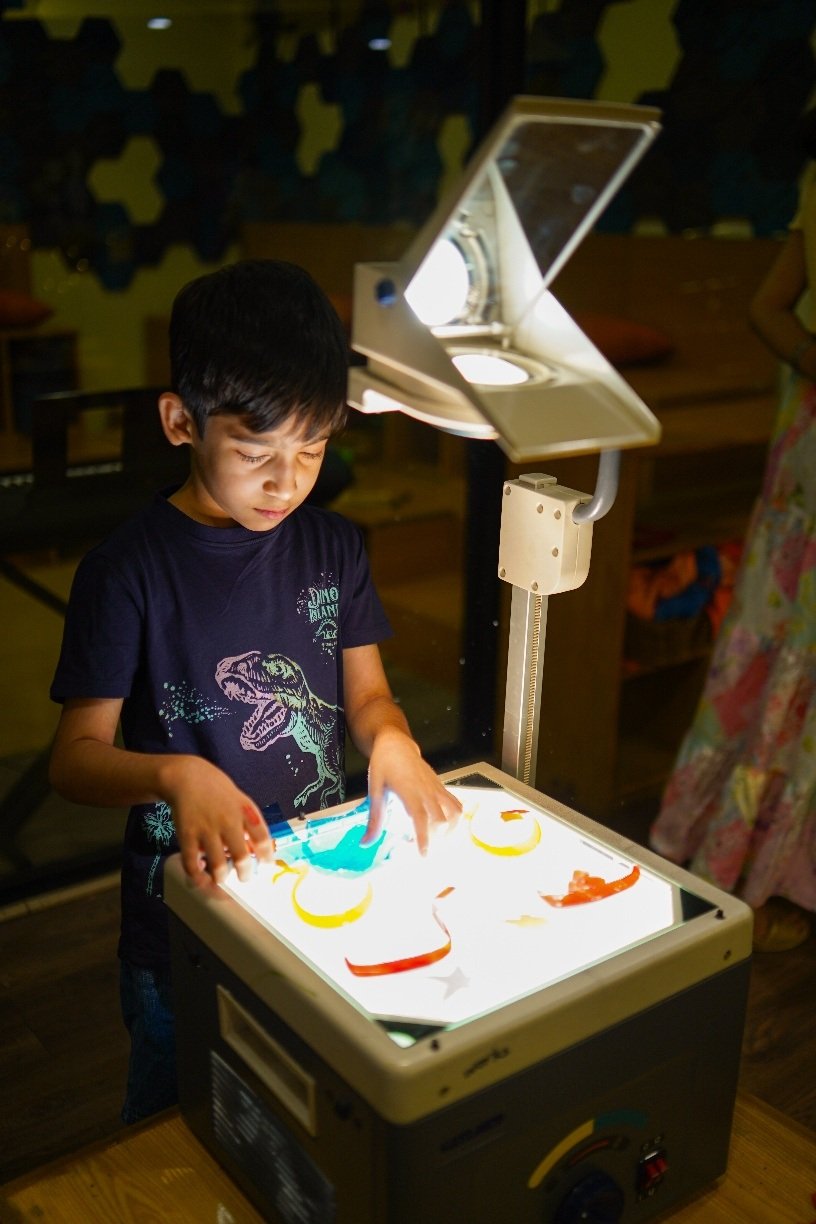
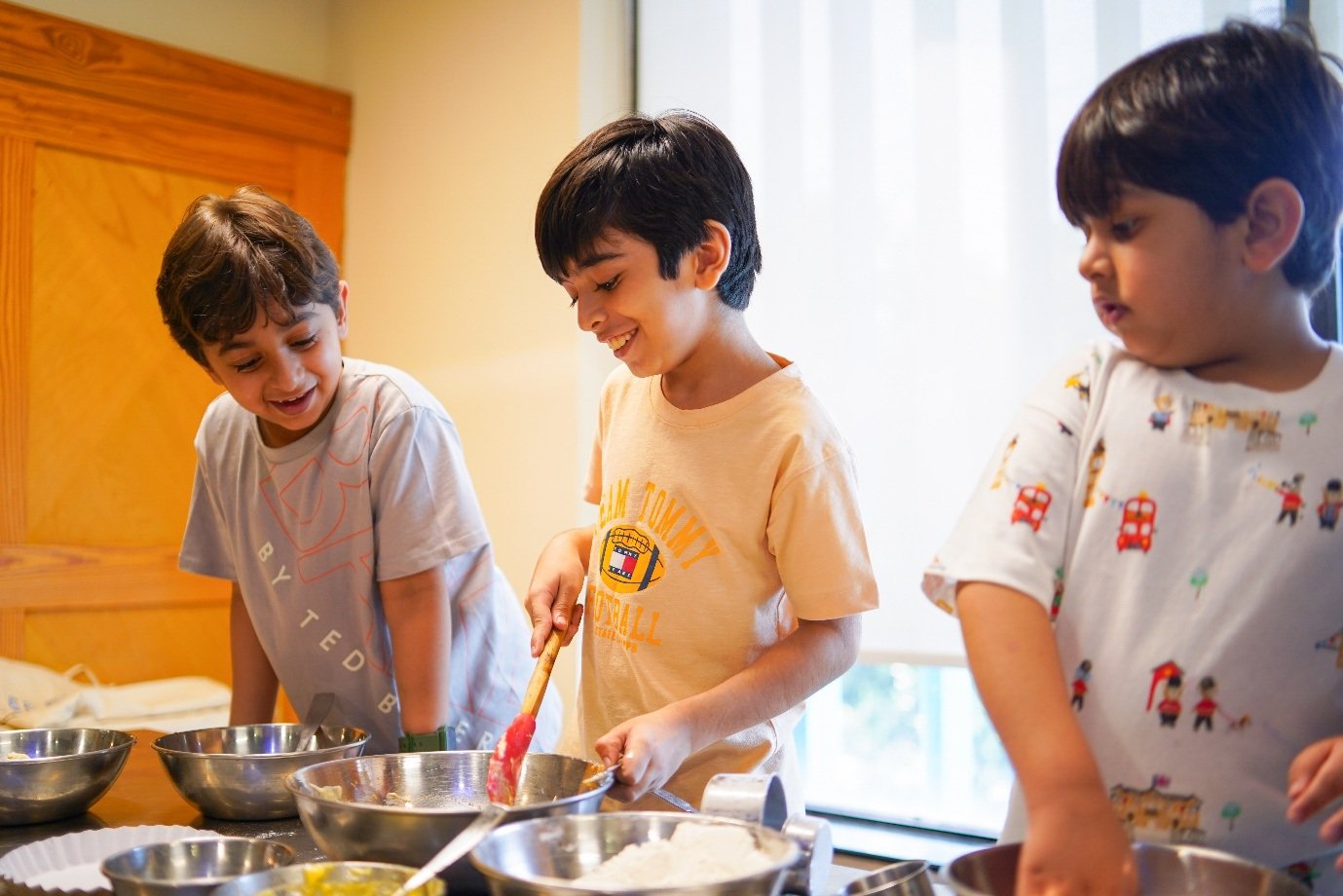
Imagine a child learning about healthy food by actually cooking it. Or understanding measurements by baking and adjusting ingredients. Or learning about recycling by upcycling their old or broken toys into something new and useful. Or simply exploring ideas by asking, “What happens if we try it this way?”
When learning feels real, it becomes meaningful and children naturally become more engaged.
A Quiet Shift: What Is Microschooling?
You might have noticed that more families are exploring new kinds of schools. One of these is called a microschool.
Microschools are small, close-knit learning communities where children are not just another face in a large classroom. In these spaces, teachers truly know each child, their strengths, their struggles, and their interests. Because the environment is smaller, learning can be more flexible and more personal.
Children often learn in mixed-age groups, much like they would in real life, and their learning is connected to their curiosity rather than following a fixed script. Projects and hands-on experiences take the place of endless worksheets, allowing children to think, collaborate, and make sense of the world around them.
Why Early Childhood Learning Matters the Most?
What often surprises parents the most is how children respond in these environments. They begin to enjoy going to school. They talk about what they did. They ask more questions. They become active participants in their own learning.
This matters most in the early years.In the first few years, a child’s brain is developing faster than it ever will again. During this time, children are not just learning facts, they are building their confidence, their curiosity, and their attitude towards learning itself.

When children are given opportunities to explore, experiment, and ask questions, they don’t just understand concepts better, they begin to see learning as something joyful, not something they simply have to do.
Beyond Curriculum: The Power of Connection
Children learn best from people who truly know them – not just their grades, but their stories…their little quirks and the way they think. When a teacher takes the time to say, “I noticed how you solved that,” or “Tell me more about your idea,” it changes everything. Learning becomes personal.
Some schools are even taking this a step further, bringing in artists, builders, entrepreneurs, and creators so children can see how learning connects to the real world. Because let’s be honest…children don’t just want to learn facts. They want to understand how things work.
So What Should Parents Really Look For?
When we think about education, it’s not just about finding a school with good results. It’s about finding a place where your child feels seen and heard, comes home excited to share their day, and is encouraged to ask “why”. A place where learning happens through doing, not just listening. Because today, education isn’t only about preparing for the next grade, it’s about preparing for life.
So maybe the question isn’t, “Is my child learning?”
But rather,“Is my child excited to learn?”
This is the idea behind Leo’s Workshop, a small, warm learning community for children aged 3–9, where learning feels natural, meaningful, and engaging. Here, children explore, create, build, and question. They learn through real experiences and grow not just academically, but as thinkers and problem-solvers.
And when children are given the right environment, something wonderful happens: They don’t just learn. They light up!
