

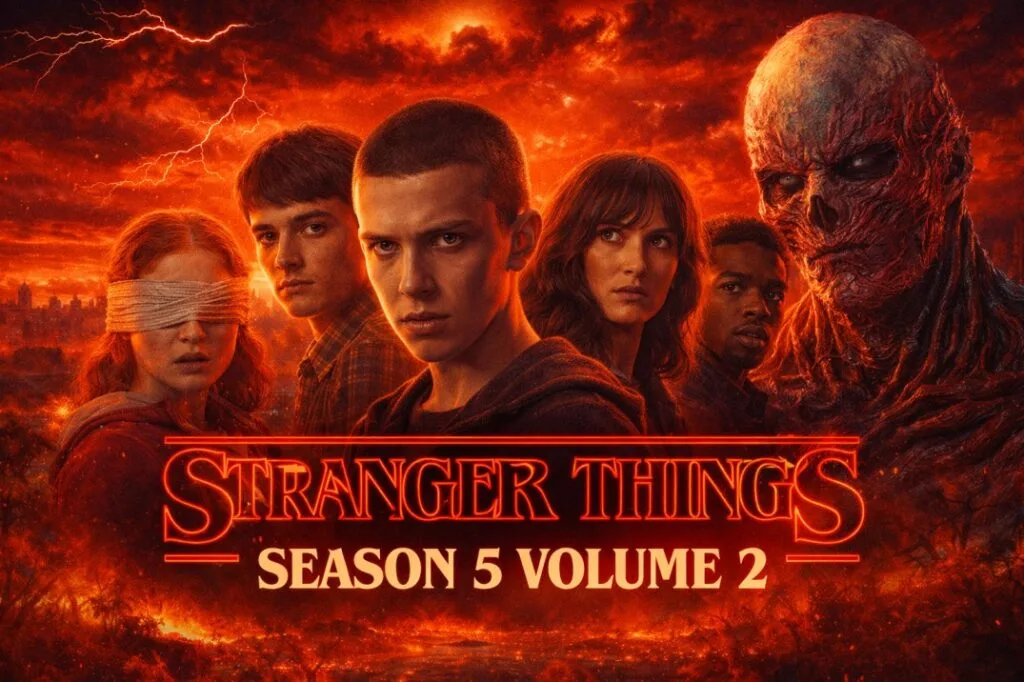

After nearly a decade of monsters, bikes, synths, and friendship forged under impossible pressure, Netflix’s Stranger Things finale arrives carrying the weight of expectation few shows survive. This wasn’t just the end of a season. It was the end of a cultural moment. And for a show that grew up alongside its audience, the finale had to do more than defeat a villain — it had to mean something.
This review contains full Stranger Things finale spoilers and is written for hardcore fans who’ve tracked every Upside Down rule, every Vecna monologue, and every emotional beat since season one.
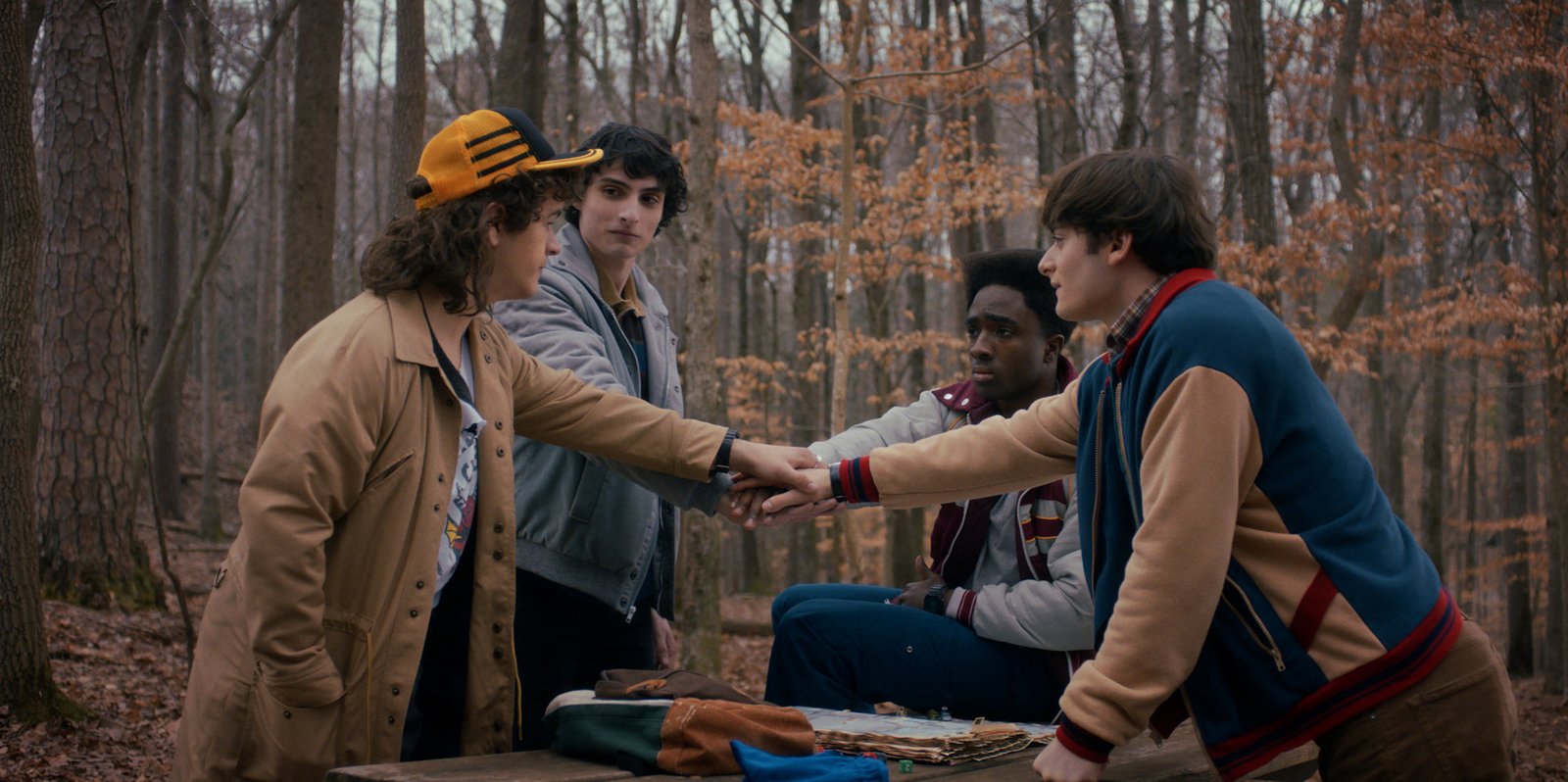
Stranger Things Finale Review: The Burden of Ending a Cultural Phenomenon
Finales are unforgiving. They expose weaknesses we overlook mid-journey and amplify strengths we may have taken for granted. Stranger Things has always walked a careful line between nostalgia-fueled adventure and genuine emotional storytelling. The finale leans decisively into the latter.
Instead of aiming for shock deaths or spectacle alone, the show chooses closure, consequence, and character — a decision that defines both its triumphs and its frustrations.
Stranger Things Finale Battle in Hawkins: Big Stakes, Controlled Chaos
The Hawkins final battle is framed as the inevitable collision between the real world and the Upside Down — something the show has been teasing since the first gate opened in Hawkins Lab.
Structurally, it’s impressive.
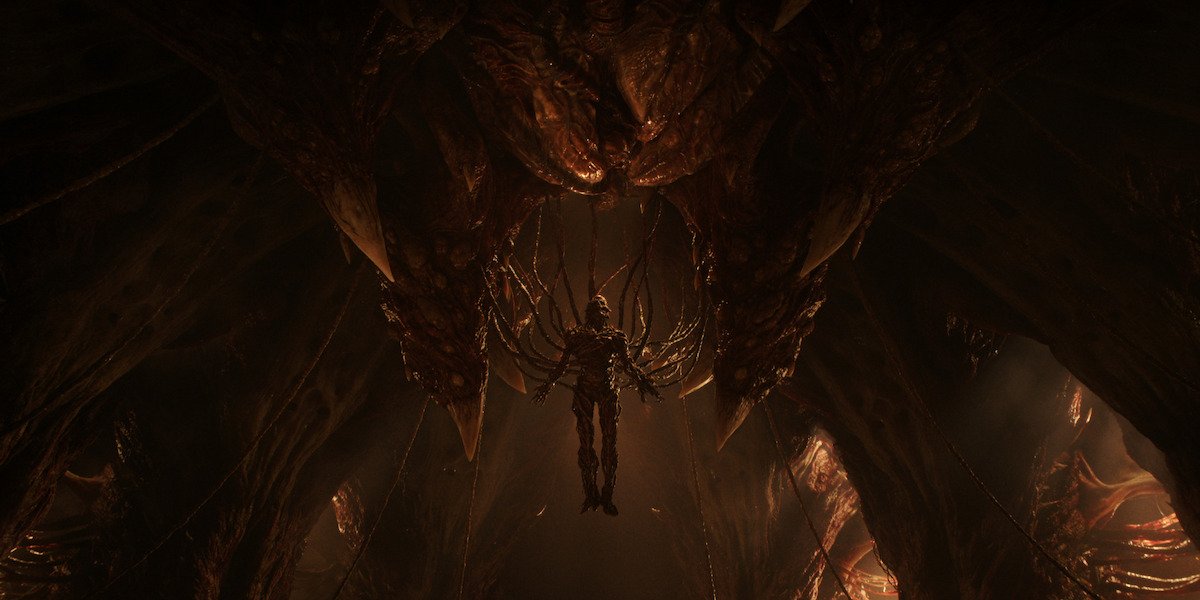
Parallel Missions and Team Strategy:
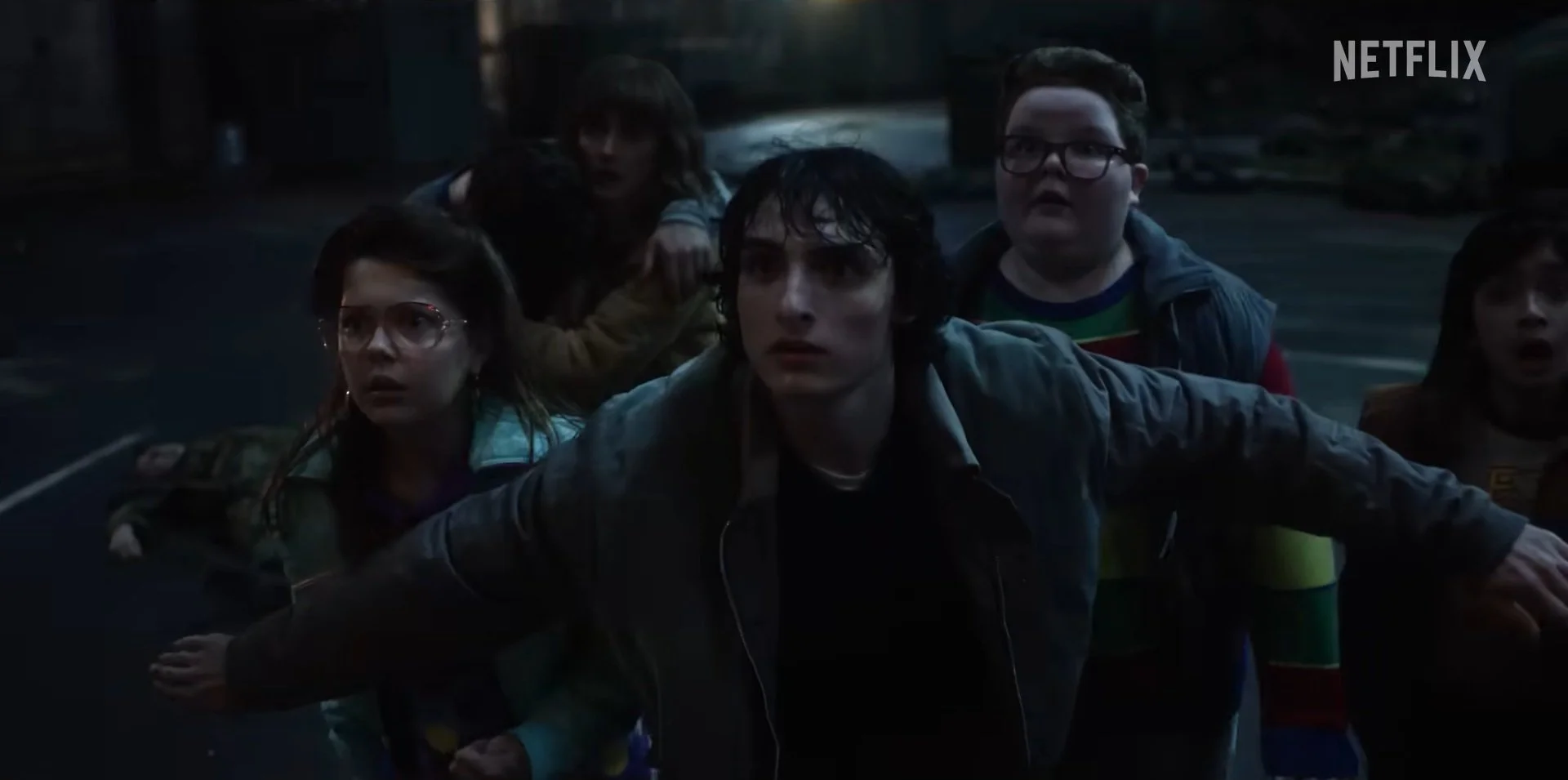
The gang splits into parallel missions, each reflecting how far they’ve come:
- Hopper and Joyce handle the physical, grounded danger.
- Dustin, Lucas, Steve, Nancy, and Robin represent strategy and sacrifice.
- Eleven confronts the psychological core of the threat.
The choreography is clean, the pacing tight — but it’s also where the first cracks appear.
Why the Vecna Showdown Feels Restrained:
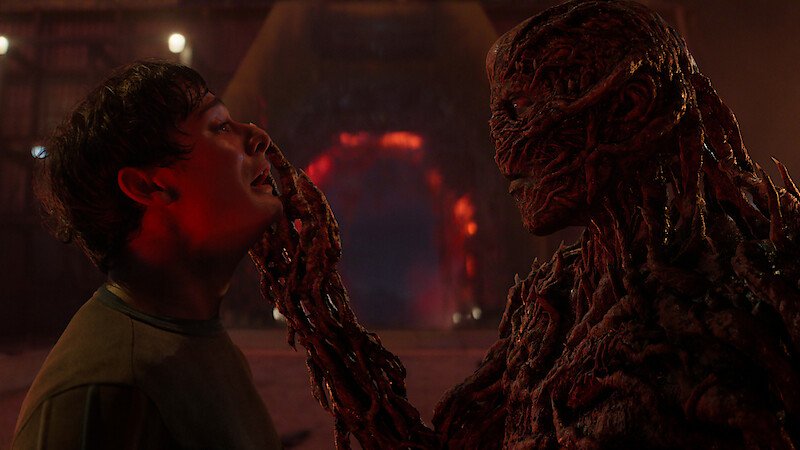
For a villain as mythologized as Vecna, the confrontation feels deliberately restrained. There’s tension, yes, but not the overwhelming dread many expected. The show prioritizes teamwork over chaos, which fits its themes but slightly undercuts the terror that once defined the Upside Down.
This is not a failure of execution — it’s a creative choice. Whether that choice satisfies depends on what you wanted from the ending.
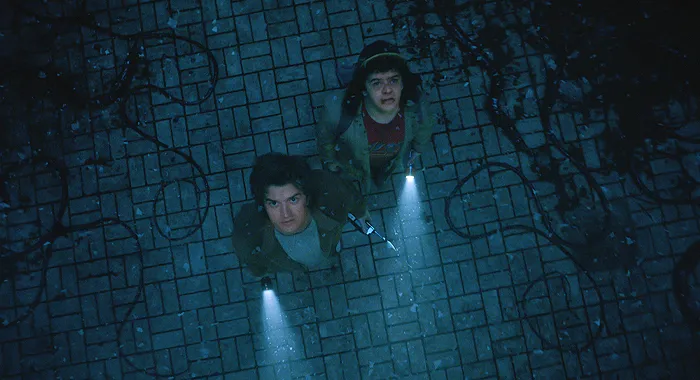
Vecna Ending Explained: The True Nature of Evil in Stranger Things
Vecna’s defeat isn’t about brute force. It’s about exposure.
The finale reframes him not as an unstoppable god but as the final consequence of human cruelty, experimentation, and neglect. His power comes from pain — and his downfall comes when that pain no longer controls the narrative.
Some fans may find this underwhelming. Others will see it as the show staying true to itself. Stranger Things was never about killing the monster. It was about breaking the cycle that creates monsters.
Eleven’s Ending Explained: From Weapon to Choice
If the series has a spine, it’s Eleven’s character arc.
From the very beginning, she was treated as a tool — by the lab, by adults, even unintentionally by her friends. The finale completes her transformation from weapon to decision-maker.
Eleven’s Final Choice and What It Means:
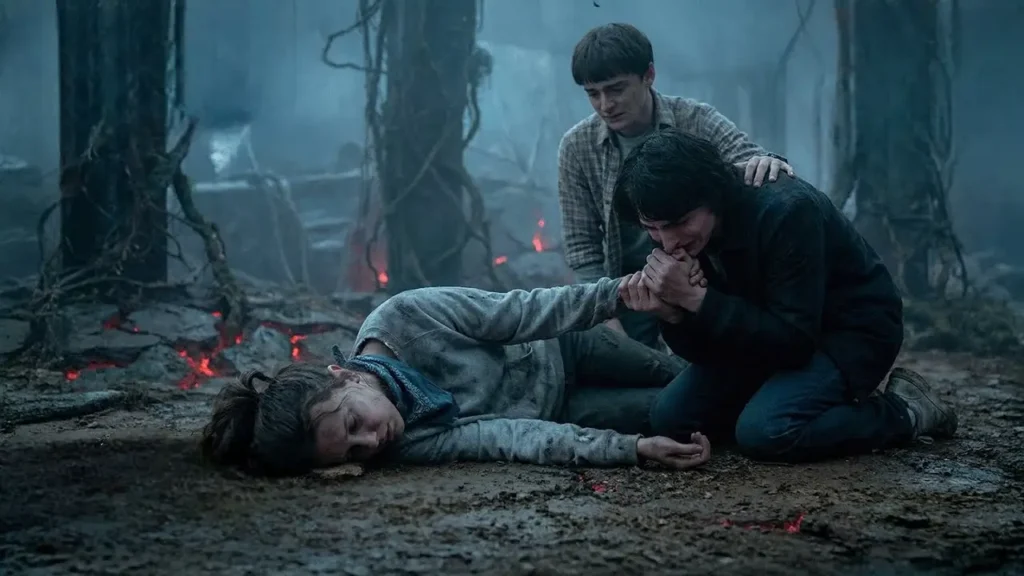
Her final confrontation with Vecna isn’t about power levels. It’s about refusal. She refuses to let her trauma define her. She refuses to be consumed by anger. And most importantly, she refuses to disappear quietly.
What makes her ending powerful — and controversial — is its ambiguity. Eleven’s fate is not spelled out in clean exposition. Instead, the show trusts the audience to sit with uncertainty.
For hardcore fans, this feels intentional rather than evasive. Eleven’s story was never meant to end with a victory pose. It ends with a question: What does survival actually mean after trauma?
The Upside Down Ending Explained: What the Finale Confirms
The Upside Down ending explained is where the finale becomes most divisive.
The gates collapse. The connection to Hawkins is severed. The dimension that haunted the town for years is no longer bleeding into reality. On paper, it’s a clean resolution.
But Stranger Things has never been a clean show.
Is the Upside Down Destroyed or Contained?
The Upside Down isn’t destroyed — it’s neutralized. Frozen. Locked away. This matters. It suggests the threat wasn’t eradicated, only contained, much like trauma itself. You don’t erase it. You learn to live without letting it control you.
For lore-focused fans, there are unanswered questions:
- Why this version of Hawkins?
- Why did time stop?
- Was Vecna the source, or just a symptom?
The show chooses emotional coherence over exhaustive mythology. That will frustrate viewers who wanted encyclopedic answers — but it aligns with the series’ long-standing priorities.
Stranger Things Emotional Ending: Quiet Over Cataclysm
The Stranger Things emotional ending is where the finale earns its keep.
Instead of ending with destruction, it ends with aftermath. Time passes. People grow. Relationships evolve. This is where the show reminds us what it was always about: kids who were forced to grow up too fast, finally allowed to move forward.
There are no grand speeches. Just moments:
- Friends sitting in silence.
- Parents watching their children leave.
- Characters choosing paths that feel earned, not flashy.
This restraint is brave — and risky. It asks viewers to sit with the reality that life doesn’t climax. It continues.
Netflix Stranger Things Finale Review: How the Show Chose to End
As a Netflix Stranger Things finale, this episode also reflects the platform’s evolution. Earlier seasons thrived on binge-fuel cliffhangers. This finale resists that impulse. It doesn’t tease a next threat. It doesn’t promise a spinoff hook disguised as closure.
Instead, it feels like Netflix allowing a show to end — something the platform doesn’t always do well.
That alone gives the finale a sense of finality many series never achieve.
Stranger Things Finale Performances: Acting That Carries the Ending
The cast deserves credit for carrying an episode heavy with expectation.
- Millie Bobby Brown delivers a restrained, mature performance that proves how far Eleven — and the actor — has come.
- David Harbour and Winona Ryder ground the chaos with lived-in emotion.
- The younger cast handles adulthood without losing the chemistry that made the show work in the first place.
No one feels wasted. No one feels like filler. For a cast this large, that’s an achievement.
Stranger Things Fan Reaction: Why the Finale Divided Viewers
The Stranger Things fan reaction has been predictably split — and that’s not a bad thing.
Some fans wanted devastation. Others wanted clarity. Some wanted deaths. Others wanted hope. The finale refuses to fully satisfy any one group, which may be its smartest move.
A finale that pleases everyone rarely lasts in conversation. This one will.
Online discussions reflect that divide:
- Praise for emotional maturity.
- Criticism of restrained stakes.
- Endless debates over Eleven’s fate and the Upside Down’s logic.
That level of engagement is proof the show still matters.
What Worked in the Stranger Things Finale?
- Emotional consistency with earlier seasons
- Strong character payoffs
- Willingness to choose theme over spectacle
- Respect for the audience’s intelligence
What Didn’t Work for Everyone in the Stranger Things Finale?
- Vecna’s final confrontation lacked visceral danger
- Some lore threads remain frustratingly vague
- Fans expecting a darker ending may feel shortchanged
Final Thoughts: Is the Stranger Things Finale the Ending Fans Deserved?
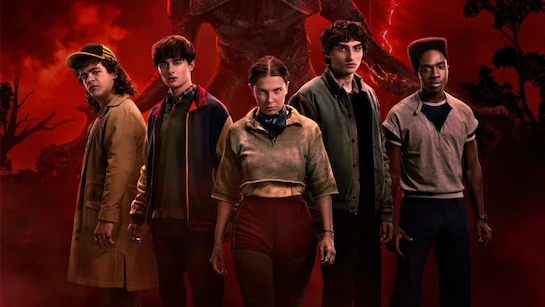
The Stranger Things finale doesn’t try to redefine television. It tries to honor its characters. And in doing so, it delivers something rarer than shock value: emotional honesty.
It’s not perfect. It’s not explosive. But it’s thoughtful, self-aware, and brave enough to end quietly.
And maybe that’s the point.
After all the monsters, the real question isn’t whether Hawkins survived.
It’s whether you believe this was the ending these characters deserved or the ending you wanted.
What do you think?
Article By: Faizan
