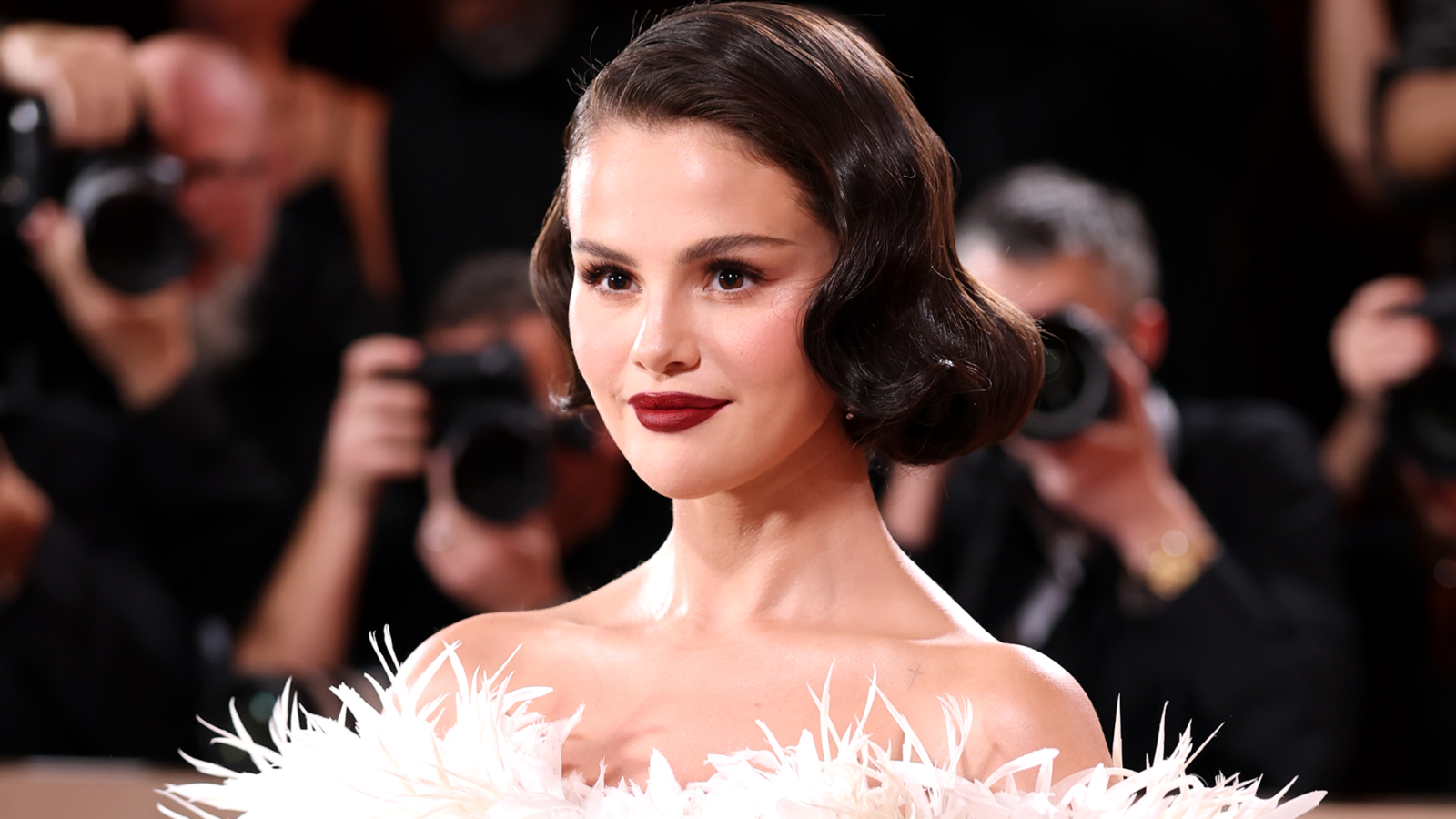

Selena Gomez raised an entire generation of girls across Pakistan and South Asia, and I say that without exaggeration. Long before we had the vocabulary to talk about representation or influence, she was already there, on our television screens, in our music libraries, quietly shaping how girlhood looked, sounded, and felt. Her rise to fame didn’t just happen in Hollywood; it followed us through our own growing up, year after year, phase after phase.
The Disney Era: Wizards of Waverly Place and Aspirational Girlhood
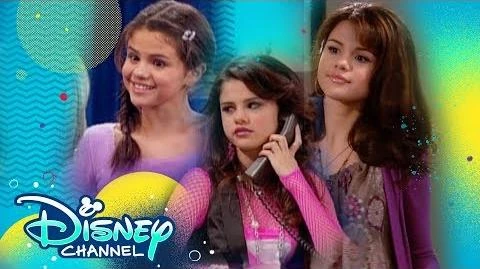
For me, it began with Wizards of Waverly Place. Alex Russo wasn’t just a character I watched; she was someone I observed closely. Her fashion choices, her hair, her ease with friendships, the way she moved through the world without appearing cautious or afraid, it all stood out. I remember wondering, not consciously but persistently, whether I could ever have that kind of liberty. Having friends without scrutiny. Going out without explanation. Existing without constant negotiation. Growing up in a country that is not safe for women sows different dreams, and sometimes those dreams begin as quiet comparisons.
Like many girls around me, I copied what I could. Hairstyles were replicated as closely as possible. Clothes were improvised. Selena Gomez’s Disney career gave us more than entertainment; it gave us a template. Not one we analysed, but one we absorbed. We followed her instinctively, and that following felt collective. Everyone seemed to know what she was wearing, who she was dating, and what phase she was in.
From Disney Star to Pop Icon: Music as Emotional Companion
As she grew older, so did we. Her transition from a Disney star into a pop artist mirrored our own awkward movement into adolescence. Her music career in the early 2010s became a constant background to our lives. The songs weren’t loud or rebellious; they were soft, emotional, and easy to attach yourself to. They played during late-night conversations, long bus rides, moments of heartbreak that felt very real even when they were small. Her music didn’t demand anything from us; it simply stayed.
What also kept us hooked was the way her life kept unravelling as a fairy dream spectacle. Her love life became something we followed with intense interest. The charming boyfriends, the dramatic breakups, the cycles of hope and disappointment, all of it felt familiar. Even her friendship fallouts were discussed at length, as if they were episodes in a series we were emotionally invested in. Looking back, it’s strange how closely we tracked her relationships, how much meaning we attached to them. But at the time, it felt natural. Selena Gomez’s life felt accessible in a way most celebrities did not.
Longevity, Success, and the Power of Staying Relevant:
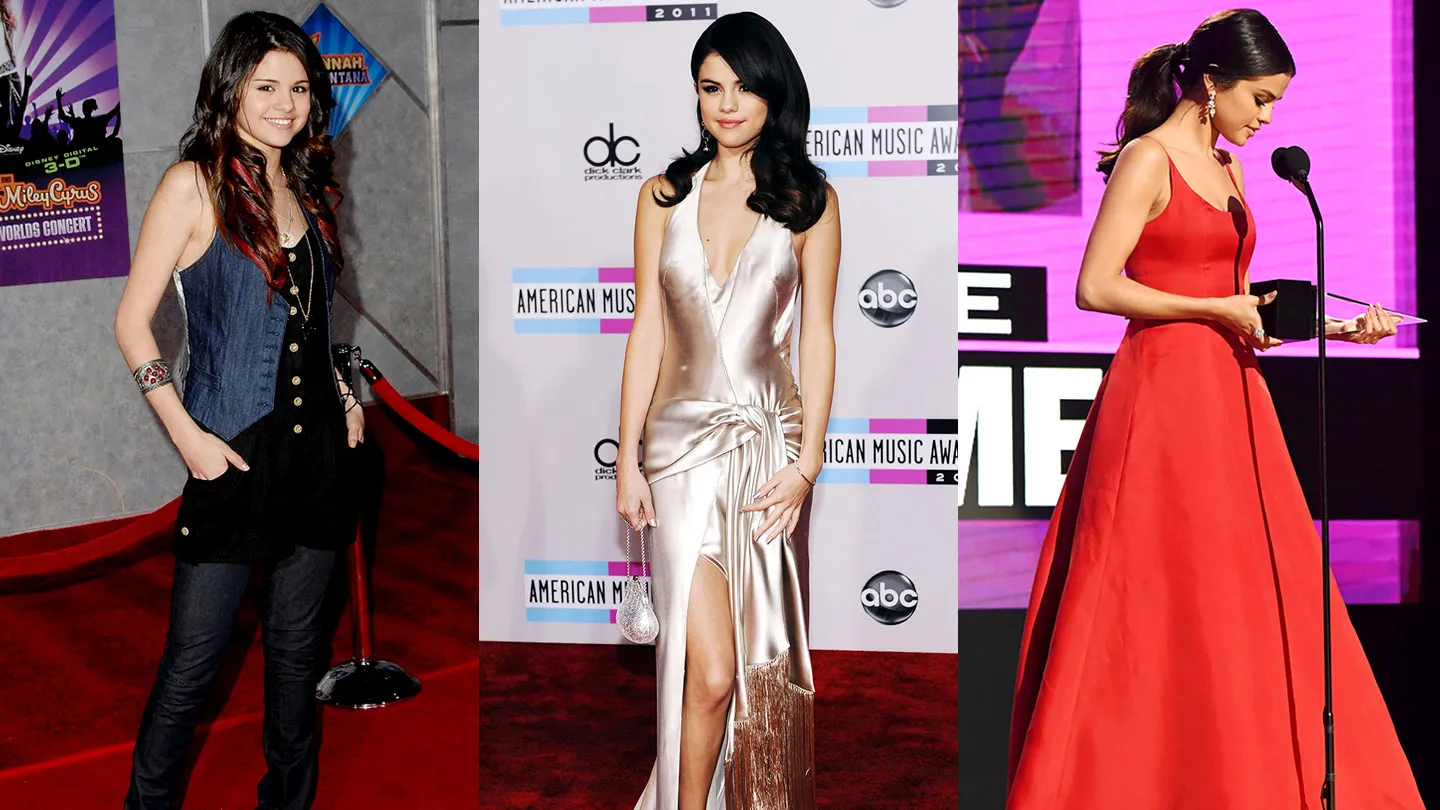
Her success only deepened the admiration. Watching her career journey, from acting to music, from teenage stardom to sustained relevance, felt inspiring. She worked consistently. She stayed visible. Her acting career continued alongside her music, and her awards and achievements were celebrated as proof that longevity was possible. Even conversations around her net worth or brand value became part of the narrative: she had made it, and she was staying there.
Vulnerability, Lupus, and the Humanization of Fame:
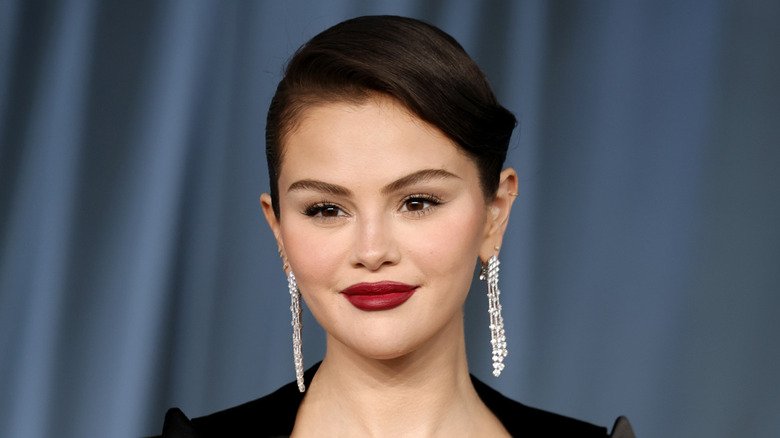
There was also an emotional closeness that developed over time. When Selena spoke about her struggles, particularly her health struggles and lupus diagnosis, it made her feel human.
We worried about her. We defended her. We rooted for her survival and success as if it were personal. She wasn’t distant or unreachable; she felt present. That presence mattered more than we realised at the time.
View this post on Instagram
Influence,Identity, and the Emotional Imagination of South Asian Girls:
Only later did I begin to notice how deeply she had shaped our emotional imagination. Away from politics and structural analysis, South Asian girls were fan-girling sincerely, building attachments that felt real and sustaining. And now, looking back, much of it feels strangely meaningless. Our cultural realities do not overlap at all; the worlds we grew up in were never the same. Yet, despite that disconnect, something about girlhood kept us tethered to her through adolescence. We were connected not by shared conditions, but by shared feeling, by longing, imitation, and the quiet hope that life could look a little softer than it did around us.
View this post on Instagram

Growing Up: Reassessing Celebrity Influence
I don’t write this to dismiss that attachment. Selena Gomez was a companion to many of us. We grew alongside her, carried her music through different phases of life, and defended her in conversations that now feel almost embarrassing in their intensity. But there is something worth acknowledging in how easily we handed over our imagination of girlhood to a figure so far removed from our own context.
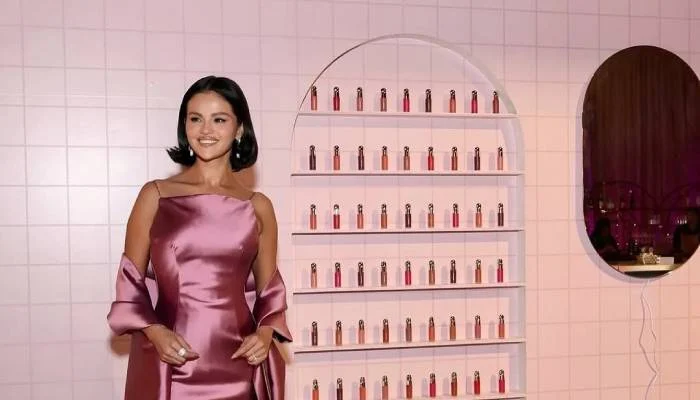
She raised us, yes, but she also quietly set the terms of what we learned to desire. And perhaps growing up is not about rejecting that influence, but finally seeing it clearly.
Article By: Maryam Shakeel
Maryam Shakeel is a writer known for her incisive observations. Engaged with global pop culture, she examines music, media, and celebrity narratives as social texts, tracing their political subtexts, cultural tensions, and the formation of public mythologies.