
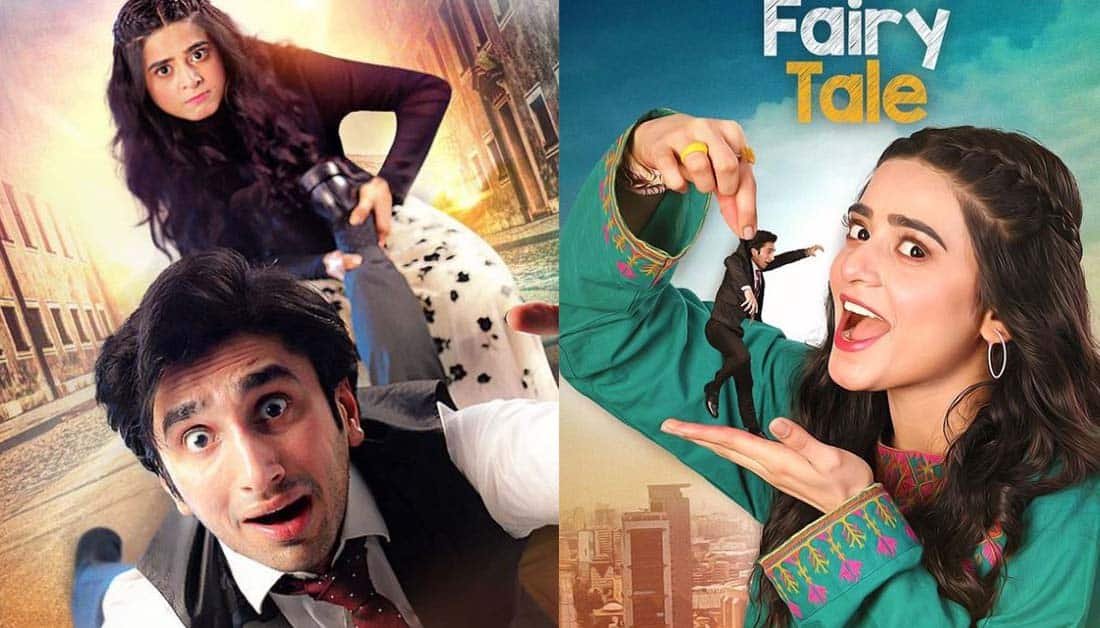
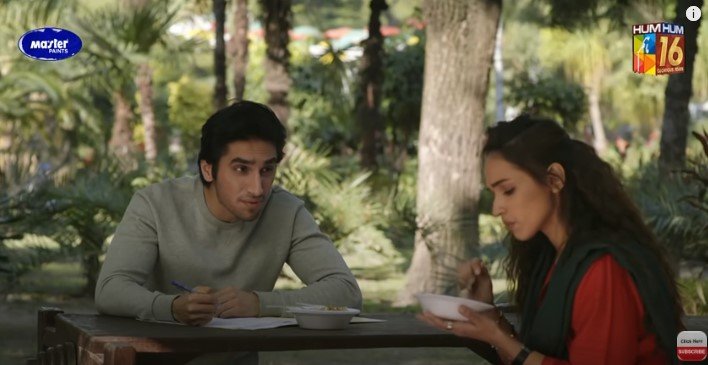
Hamza Sohail has emerged in the Pakistani drama industry at a moment when its dominant masculine archetype feels increasingly exhausted. The son of veteran actor and comedian Sohail Ahmed, Hamza did not immediately position himself within the loud spectacle of mainstream stardom. Instead, his early appearances signalled an actor interested in character-driven storytelling rather than instant visibility. Rising to wider recognition through dramas such as Raqeeb Se and later gaining massive popularity with Fairy Tale, he gradually built a reputation for portraying emotionally aware and grounded male characters.
The Problem of Toxic Masculinity in Pakistani Dramas:
For decades, television narratives have relied on the hyper-masculine lover boy; emotionally inaccessible, controlling, and often rewarded for obsessive behaviour framed as romance. Against this backdrop, Hamza’s presence feels less like coincidence and more like a conscious deviation from an entrenched formula.

Hamza Sohail’s Script Choices: A Conscious Shift
Since entering the industry, his script choices appear critically informed rather than opportunistic. The men he portrays are emotionally intelligent and non-violent, characters capable of reflection, accountability, and growth, qualities rarely centred within mainstream storytelling. In an environment where actors are frequently encouraged to embody toxic masculinity or obsessive desire because such portrayals reliably generate massive viewership, Hamza’s trajectory suggests a deliberate resistance to the industry’s most commercially successful tropes.
How Pakistani Television Normalized Obsession as Romance!
Pakistani dramas have long constructed masculinity around emotional suppression, only allowing vulnerability to surface through possession or obsession. Love, within these narratives, often becomes synonymous with pursuit that disregards consent, logic, and personal boundaries. The cultural consequences of this storytelling are difficult to ignore: generations of viewers have been socialized into perceiving coercive behaviour as devotion rather than danger. When stalking begins to resemble romance, fiction ceases to be harmless entertainment and instead participates in shaping social imagination.


Doctor Nofil in Zard Patton Ka Ban: A Quietly Radical Male Lead
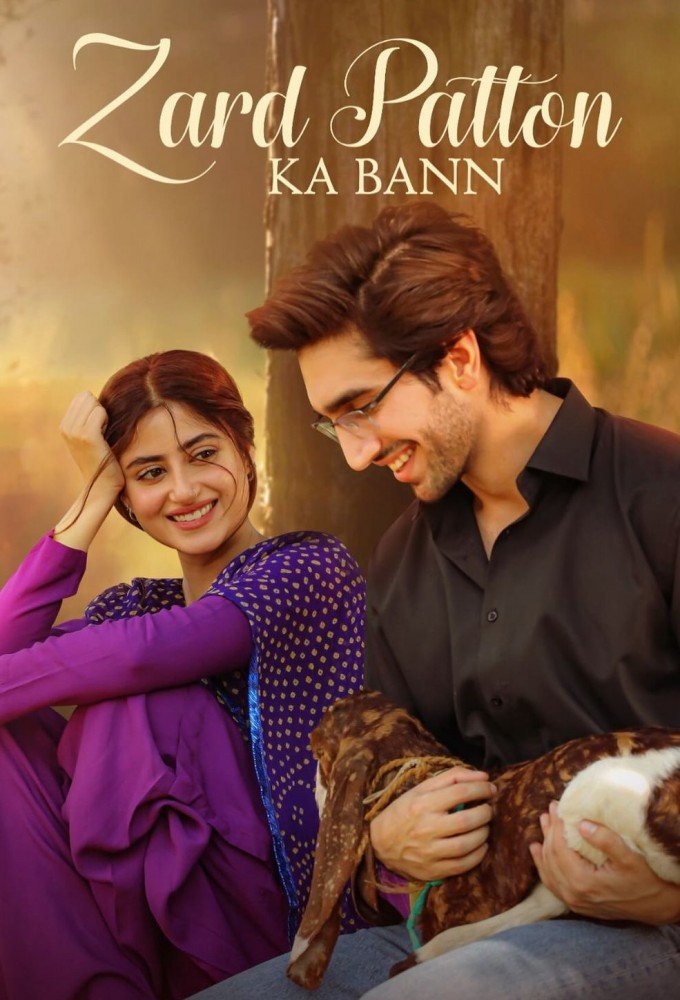
It is within this context that Hamza Sohail’s performances acquire significance. His portrayal of Doctor Nofil in Zard Patton Ka Ban, produced by Kashf Foundation, resonated precisely because it disrupted expectation. Nofil was not written as an ideal man through dominance or sacrifice, but through empathy, emotional literacy, and respect for boundaries. He treated women as equal counterparts rather than emotional responsibilities orbiting male existence, a portrayal that felt quietly radical in an industry accustomed to dramatizing control as care.
Acting with Responsibility: More Than Just Stardom
What distinguishes Hamza’s career so far is not merely performance but discernment. At a time when many actors understandably pursue roles that promise visibility and commercial highs, his choices indicate an understanding of acting as practice rather than performance alone. His work suggests an awareness that popular media carries ideological weight, and that even within mainstream entertainment, an actor can intervene in how masculinity is imagined and consumed.

A Cultural Correction Pakistani Television Needed:
In choosing roles that privilege emotional accountability over spectacle, Hamza Sohail appears to be crafting a path not assigned to him by the industry but consciously built through it, one where art, craft, and social responsibility intersect. Whether intentional or instinctive, this trajectory positions him less as a conventional romantic lead and more as a participant in an ongoing cultural correction, one that Pakistani television arguably needs now more than ever.


Article By: Maryam Shakeel
Maryam Shakeel is a writer known for her incisive observations. Engaged with global pop culture, she examines music, media, and celebrity narratives as social texts, tracing their political subtexts, cultural tensions, and the formation of public mythologies.