



Not every Pakistani drama needs to rely on constant twists to hold an audience’s attention. Sometimes, the real tension comes from watching characters make choices that gradually change the direction of their lives. Dar-e-Nijaat is one such drama. What begins as a story centred around young love slowly develops into a more complicated exploration of faith, emotional dependence, betrayal, personal accountability and the possibility of redemption.
Written by Umera Ahmed and directed by Saqib Khan, Dar-e-Nijaat brings together Durefishan Saleem, Sheheryar Munawar, Nameer Nawaz Khan, Romaisa Khan, Sania Saeed, Saba Hameed, Faran Tahir and Nadia Afgan in its ensemble cast.
What makes the drama worth discussing, however, is not simply what happens to its characters. It is why they make the choices they do and what those choices reveal about them.
More Than a Conventional Love Story:
At the centre of Dar-e-Nijaat are Zaryab, Zamil and Abu Bakar, three characters whose understanding of love and life is fundamentally different.
Zaryab and Zamil’s relationship initially appears to represent youthful love and shared ambition. They have a history together and imagine a future in which their relationship and personal aspirations can coexist. But the drama gradually begins questioning whether love by itself is enough to sustain a relationship.

Zamil’s increasing struggle with his personal beliefs introduces another dimension to their relationship. He wants to move towards a more disciplined and religious life, yet instead of consistently taking responsibility for his own choices, he increasingly associates his internal conflict with Zaryab.
This becomes one of the most interesting aspects of the drama: can a person genuinely change without taking responsibility for their own behaviour?
The answer becomes increasingly complicated as the story progresses.
From Romance to Emotional Fallout:
The first part of Dar-e-Nijaat spends considerable time establishing Zaryab and Zamil’s relationship and contrasting it with Abu Bakar’s very different world.
Abu Bakar is introduced as a quieter, more spiritually grounded character. His worldview is strongly influenced by his upbringing and by the values instilled in him by his mother. The first episode deliberately establishes these two contrasting environments rather than immediately pushing the characters into conflict.
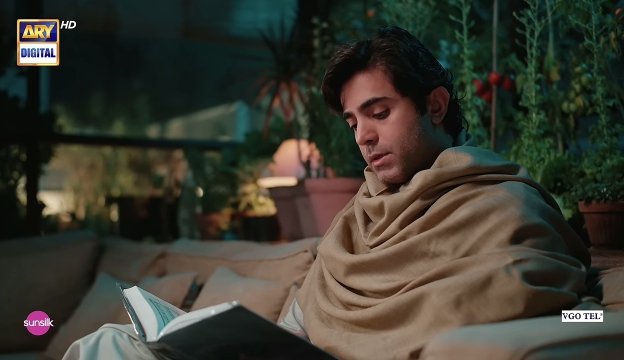
As Zamil becomes increasingly focused on religion, however, the drama begins exposing a contradiction. His desire to become more religious is not always accompanied by greater patience, empathy or humility. At several points, his understanding of faith begins to resemble a form of moral superiority.
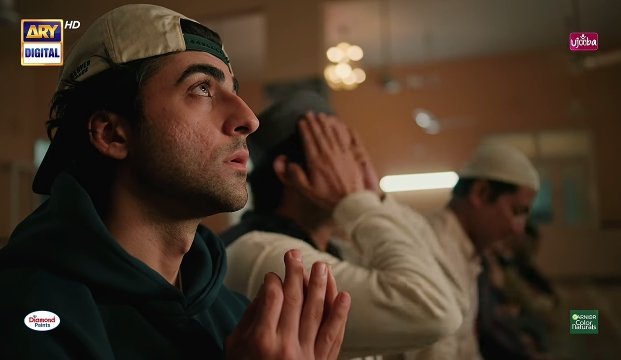
And this is where Dar-e-Nijaat becomes more interesting than a straightforward love triangle.
When Faith Becomes a Question of Character:
One of the strongest themes running through the drama is the difference between appearing religious and actually becoming a better person!
Zamil’s transformation is deliberately complicated. His desire to change is not necessarily presented as completely false. There are moments when his internal struggle appears genuine. The problem is what he does with those convictions.
Instead of simply taking responsibility for his own decisions, Zamil increasingly uses his new understanding of religion to judge Zaryab. His comments about her lifestyle and character create an uncomfortable dynamic in which spirituality becomes a tool for establishing superiority. This is one of the drama’s most effective observations.

Faith, the drama suggests, cannot be measured simply through outward changes. It has to appear in one’s behaviour towards other people.
Abu Bakar: Quiet Strength Instead of Moral Superiority
Sheheryar Munawar’s Abu Bakar could easily have become a stereotypical “perfect religious hero.” Instead, the drama gives him a quieter personality. He is not constantly trying to prove his goodness to everyone around him. His strength comes from his restraint. This becomes particularly significant when Zaryab is emotionally devastated following Zamil’s betrayal. Abu Bakar’s response is not to lecture her about her past or use her vulnerability to establish control. He offers practical emotional support and treats her with dignity.
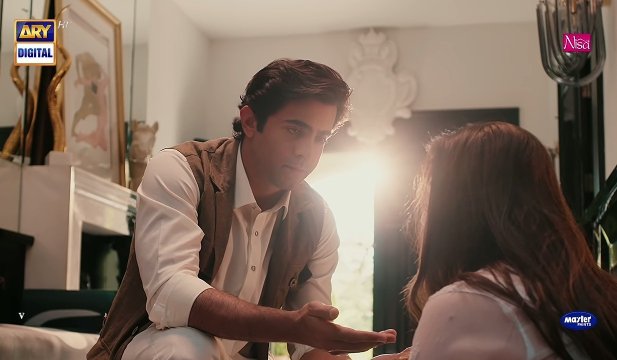
That contrast between Zamil’s religious judgement and Abu Bakar’s practical compassion is arguably one of the drama’s strongest ideas.
The show does not necessarily ask viewers to decide which man is more religious. It asks a more meaningful question: Which one actually lives by the values he claims to believe in?
Zaryab Is Far From a Perfect Heroine:
Durefishan Saleem’s Zaryab is perhaps the drama’s most emotionally complicated character. She is ambitious, romantic and confident at the beginning, but her attachment to Zamil gradually becomes one of her greatest vulnerabilities.
Even after being hurt, Zaryab struggles to completely detach herself from him. This is important because the drama does not portray heartbreak as something that disappears simply because a relationship has ended. She continues to carry the emotional consequences of her past. That makes Zaryab more human than a conventional drama heroine who immediately becomes stronger after betrayal.
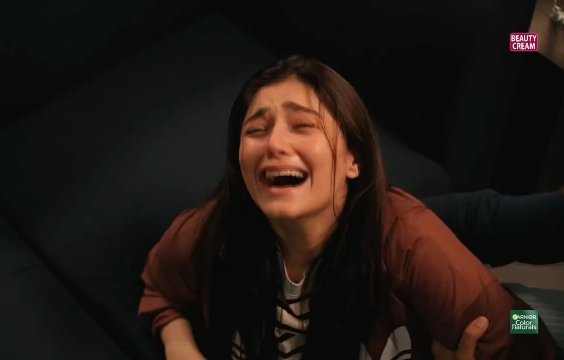
At the same time, this aspect of her character can be frustrating for the audience. There are moments when viewers may wonder why she continues to emotionally engage with someone who has already demonstrated that he is capable of hurting her. But that frustration is also evidence that the character is generating an emotional response.
Zaryab’s weakness is not that she loves too much. It is that she sometimes struggles to distinguish the person she remembers from the person Zamil has become.

Zamil: The Character Everyone Loves to Dislike
If Zaryab is emotionally vulnerable, Zamil is emotionally contradictory. Nameer Nawaz Khan’s performance benefits from the fact that Zamil is not written as a straightforward villain. He is insecure, conflicted and capable of genuine emotion, but his insecurity repeatedly turns into selfishness.
His biggest problem is his inability to take complete responsibility for his own choices. He wants to change, but he also wants Zaryab to change. He wants to be morally respected, but he repeatedly behaves in ways that undermine his own claims. He wants Zaryab to remain emotionally connected to him, even after making decisions that fundamentally alter their relationship.

This contradiction is precisely what makes him such a discussion-worthy character.
Zamil – Abu Bakar Conflict:
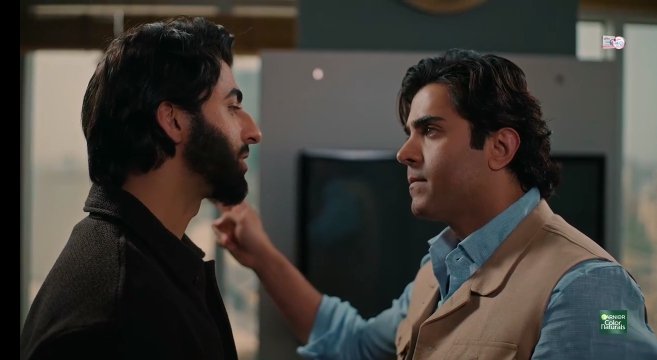
The conflict between Zamil and Abu Bakar has become another major strength of the drama. Zamil increasingly sees Abu Bakar as a threat not simply romantically, but morally. Abu Bakar possesses qualities that Zamil wants to associate with himself: confidence, discipline, respect and spiritual credibility. That creates an interesting psychological competition.


Instead of simply accepting that Zaryab may have moved on, Zamil attempts to undermine Abu Bakar and challenge Zaryab’s choices. The confrontation between the two men became one of the most discussed moments of the recent episodes, particularly because Abu Bakar refuses to allow Zamil to shame Zaryab by using her past against her.
Abu Bakar does not need to become excessively aggressive to establish his position. His confidence comes from knowing where he stands.
Acting Performances: Where the Drama Finds Its Strength
The performances are one of Dar-e-Nijaat’s strongest features:
Sheheryar Munawar brings maturity and restraint to Abu Bakar. His performance works particularly well in scenes where the character has to communicate disappointment or anger without becoming theatrical.
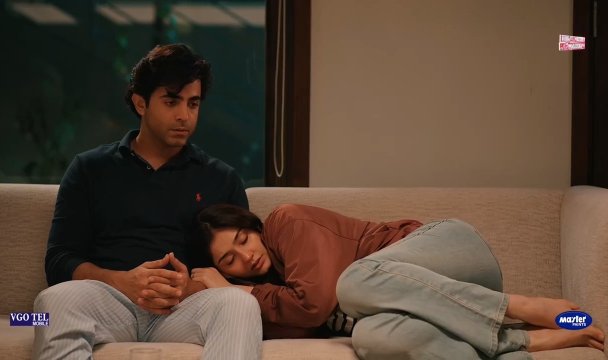
Durefishan Saleem has a more emotionally demanding role. Zaryab moves between confidence, heartbreak, confusion and vulnerability, requiring the actor to carry many of the drama’s emotional scenes.
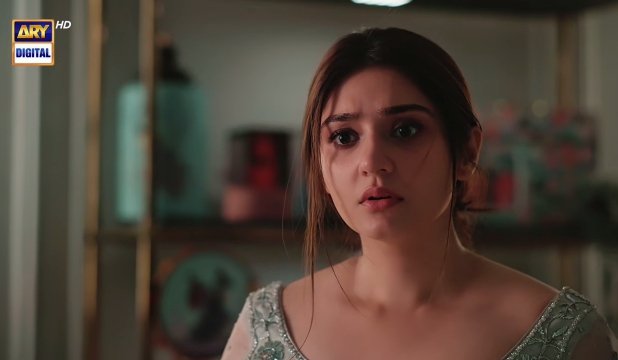
Nameer Nawaz Khan deserves credit for making Zamil sufficiently frustrating without turning him into a cartoonish antagonist. His character’s hypocrisy works because there is enough vulnerability underneath the arrogance to suggest that his behaviour is partly rooted in insecurity.

The supporting cast also adds credibility to the family portions of the drama, with actors including Sania Saeed, Saba Hameed, Faran Tahir, Romaisa Khan and Nadia Afgan providing the older-generation perspective that the younger characters often lack.

What the Drama Is Really Saying?
At its heart, Dar-e-Nijaat is less interested in asking “Who will Zaryab end up with?” than it initially appears.
The more interesting question is: What does a person become after love, ego and belief are put under pressure?
Zaryab has to learn that loving someone does not mean sacrificing her ability to recognise their flaws. Zamil has to confront the possibility that religious transformation means very little if it does not produce humility and accountability. Abu Bakar, meanwhile, represents a quieter form of strength one that is expressed through patience, dignity and action rather than constant declarations of moral superiority.
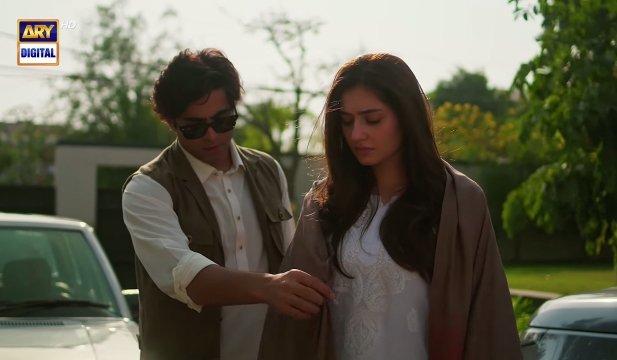
That is where the title Dar-e-Nijaat becomes particularly meaningful. The idea of “nijaat”—salvation or deliverance—can be understood not merely as escaping a difficult relationship, but as escaping the weaknesses within oneself.
Final Thoughts:
Dar-e-Nijaat has developed into a drama that is more layered than its initial romantic premise suggests, with its strongest material emerging from the contrast between love and responsibility, religion and behaviour, emotional attachment and self-respect. While the story occasionally moves slowly and some character decisions can be frustrating, its central conflict remains compelling because the characters are not simply divided into good and bad; they are flawed people attempting to justify their choices. This is particularly true of Zamil, whose journey raises some of the drama’s most uncomfortable questions, while Abu Bakar’s growing importance provides the story with a much-needed counterbalance and Zaryab remains at the emotional centre of the narrative. As the drama continues to unfold, its eventual success will depend on whether it can give these characters meaningful development rather than simply extending the conflict.
For now, however, Dar-e-Nijaat stands out because it is not only telling a story about love, but also examining what happens when love collides with faith, ego, insecurity and the need for redemption and perhaps that is what makes the drama worth continuing to watch.
