

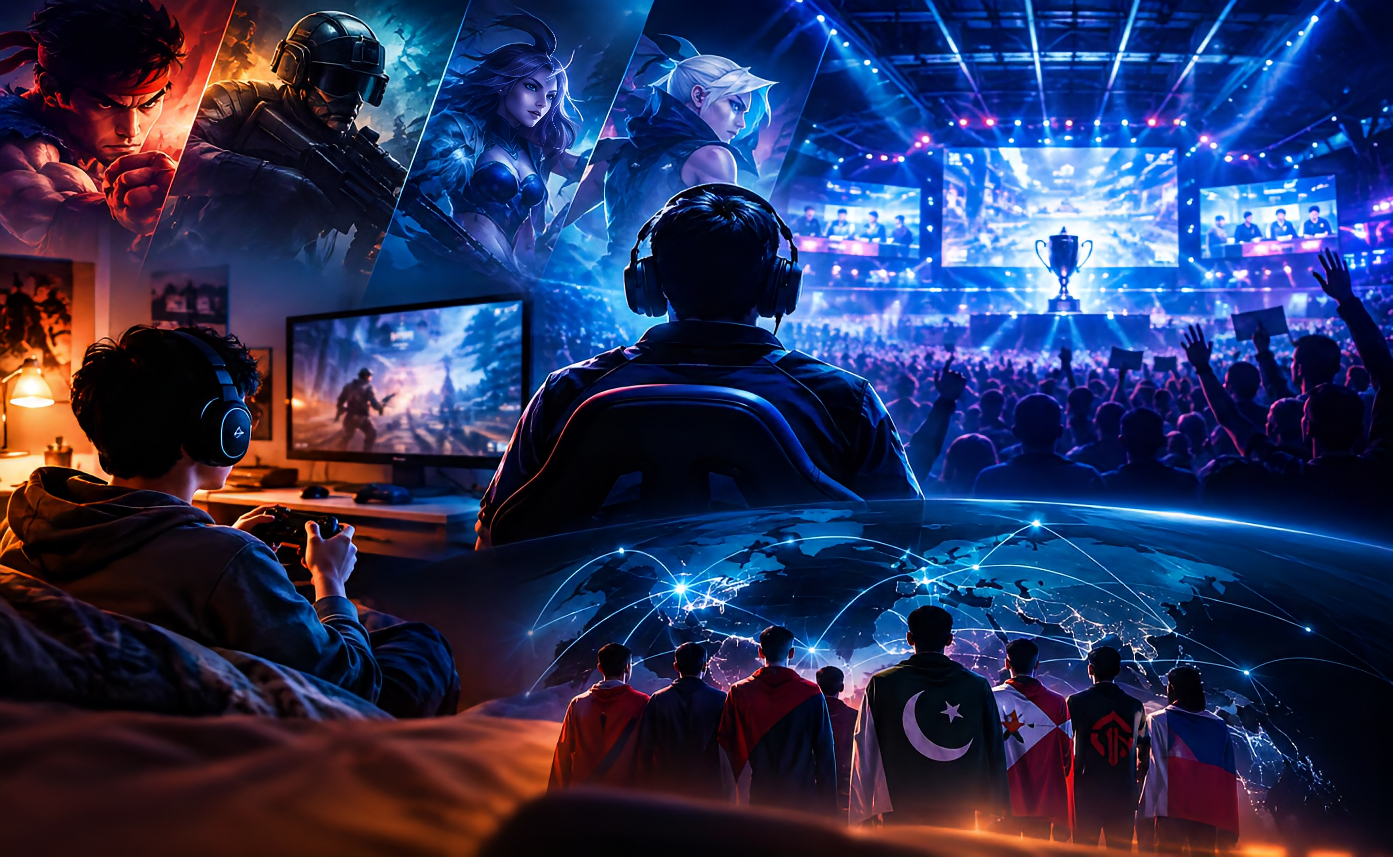

What began as a pastime inside bedrooms, internet cafés and living rooms has grown into one of the most fascinating forms of modern competition. Today, professional gamers compete in packed arenas, represent major organisations and fight for championships watched by millions around the world.
Esports is no longer simply about playing video games. It has become a global ecosystem built around competition, entertainment, technology and some remarkably talented players.
When Gaming Changed Forever:
Competitive gaming has existed for decades, but the internet transformed its possibilities.
Players could suddenly compete against opponents from across the world rather than being restricted to their local gaming communities. Online tournaments grew, streaming platforms brought matches to global audiences and professional organisations began investing in talented players.
Games including League of Legends, Dota 2, Counter-Strike, VALORANT, PUBG Mobile and Tekken eventually developed highly competitive international scenes.
The result was the creation of a completely new sporting culture.
The Digital Athlete:
Being a professional gamer is very different from simply being good at a game.
At the highest level, esports players train for hours, study opponents, analyse previous matches and constantly refine their strategies. Reaction speed is important, but concentration, decision-making, discipline and mental strength can be just as decisive.
In a fighting game, one mistake can end a round within seconds. In a team-based title, one player’s decision can change an entire match.The players may compete through a screen, but the pressure is very real.
Pakistan Finds Its Place:
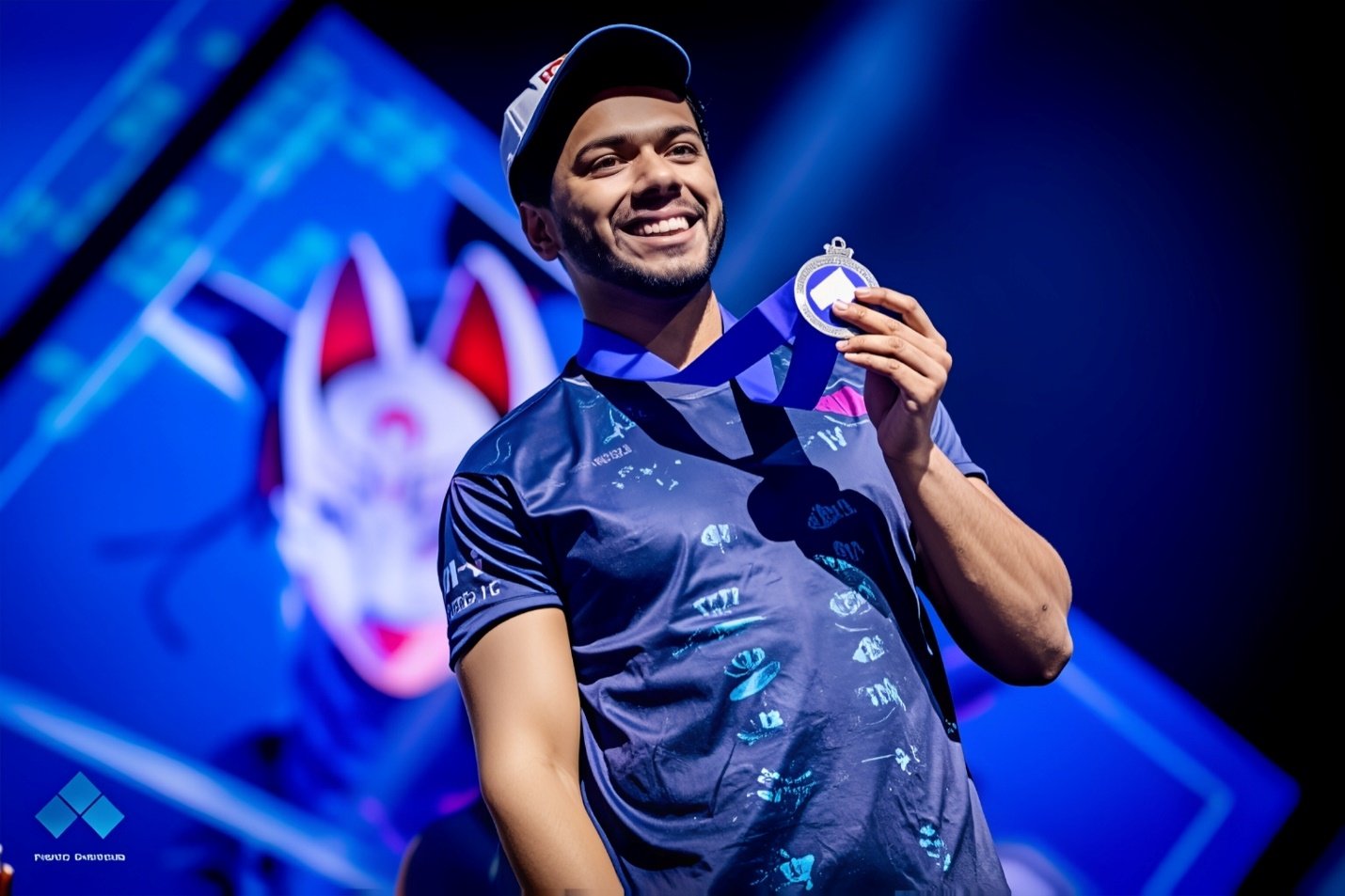
Pakistan’s esports journey is particularly interesting because the country has produced internationally recognised talent despite having a relatively developing esports infrastructure.
Few stories illustrate that better than Arslan “Ash” Siddique.
The Lahore-born Tekken star first became a global sensation in 2019 by winning EVO Japan and EVO Las Vegas, becoming the first player to win both in the same year.
History has continued to grow. In June 2026, Arslan won the Tekken 8 competition at EVO Las Vegas, defeating South Korea’s Rangchu in the final. It was his eighth EVO title and fourth consecutive EVO Las Vegas championship.
But Pakistan’s esports story does not end with Tekken.
The Pakistani Names Making History:
One of the country’s biggest esports success stories belongs to Sumail Hassan, whose career in Dota 2 reached the highest possible level.
As a member of Evil Geniuses, Sumail won The International 2015, one of the most prestigious championships in esports. He became one of the youngest players to reach major financial milestones in competitive gaming and established himself as one of Pakistan’s most successful esports players.
His brother Yawar Hassan also became a professional Dota 2 player, while Atif Butt, Imran “Khan”, Adeel “The Jon” Sheikh and other Pakistani competitors have added to the country’s growing presence in competitive gaming. Current esports prize-money records rank Sumail, Yawar, Atif Butt and Arslan Ash among Pakistan’s leading earners.
That success has helped demonstrate that Pakistani talent can compete on the world’s biggest esports stages.
When Players Became Global Stars:

The rise of esports has created a new type of sporting celebrity.
Professional players now have huge online communities, sponsorships, team contracts and personal brands. Their rivalries can attract the same kind of attention that traditional sports stars receive.For younger audiences, these competitors are not simply gamers. They are champions, entertainers and personalities.
An Industry Bigger Than the Game:
Behind the players sits a rapidly expanding commercial world.
Esports generates money through sponsorships, advertising, broadcasting, merchandise, tickets and tournament partnerships. Pakistan alone has recorded more than $7.1 million in esports prize money across 562 tournaments, according to Esports Earnings data.
Globally, major competitions now offer enormous prize pools and attract some of the world’s biggest brands.The numbers demonstrate how far competitive gaming has travelled from its humble beginnings.
The Arena of Tomorrow:
Technology will continue to reshape esports.
Better internet connections, improved broadcasting, new gaming platforms and immersive viewing experiences could bring fans even closer to the action.
For countries such as Pakistan, the opportunity is equally significant. The emergence of internationally successful players has already shown that talent exists. The next challenge is building the infrastructure, tournaments and professional pathways that can help more players reach the world stage.
Esports has already crossed an important line.The living room is no longer just a place to play.For a new generation of competitors, it can be the starting point of a journey that ends in front of a global audience, under the lights of a world arena.
