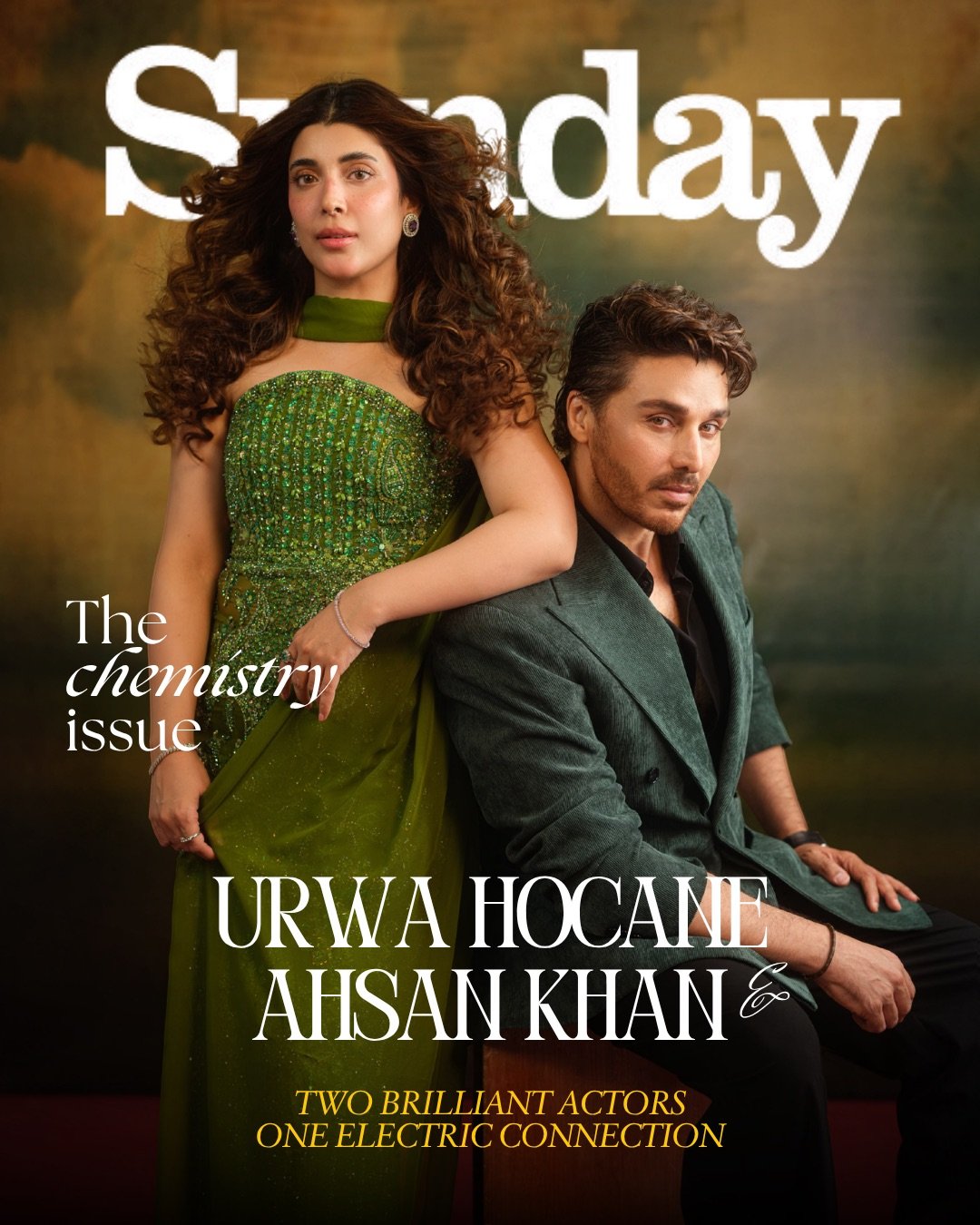

Some pairings don’t simply share the screen they command it. They create a sense of anticipation in every exchange, allowing a glance, a pause or an unfinished sentence to carry as much weight as dialogue itself. For Urwa Hocane and Ahsan Khan, that dynamic has become one of the most engaging elements of HUM TV’s “Aap Ki Izzat”.
As Beena and Tabish, the two actors inhabit a relationship shaped by emotion, conflict, disappointment and unresolved feelings. Their scenes are rarely straightforward. Beneath the surface of their conversations is a history that gives even their quietest moments a certain tension, making their on-screen relationship one of the drama’s most compelling threads.
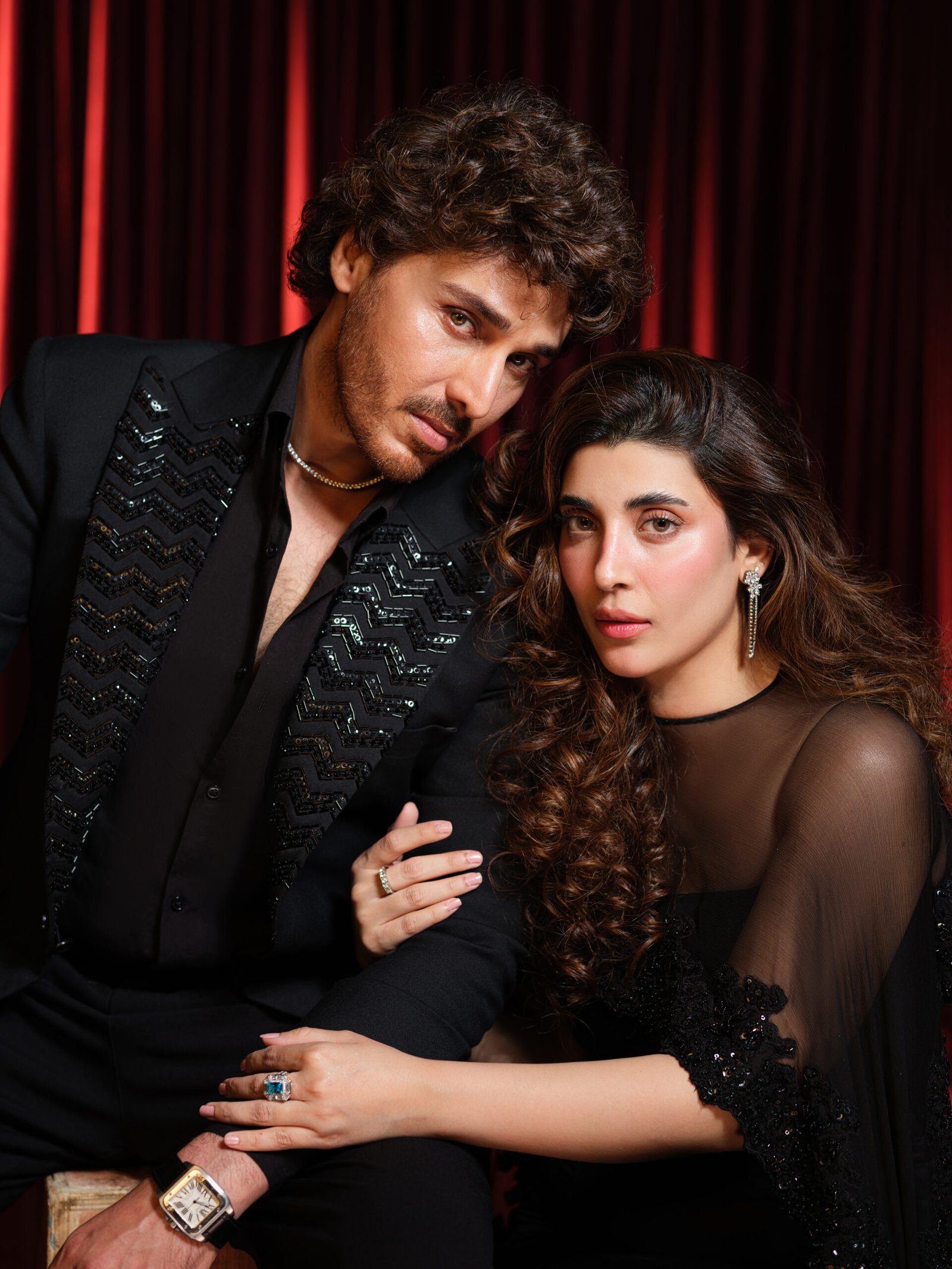
For the latest Sunday Times digital cover, Urwa Hocane and Ahsan Khan step into The Chemistry, celebrating two accomplished Pakistani performers and the distinctive screen dynamic they have brought to Aap Ki Izzat.
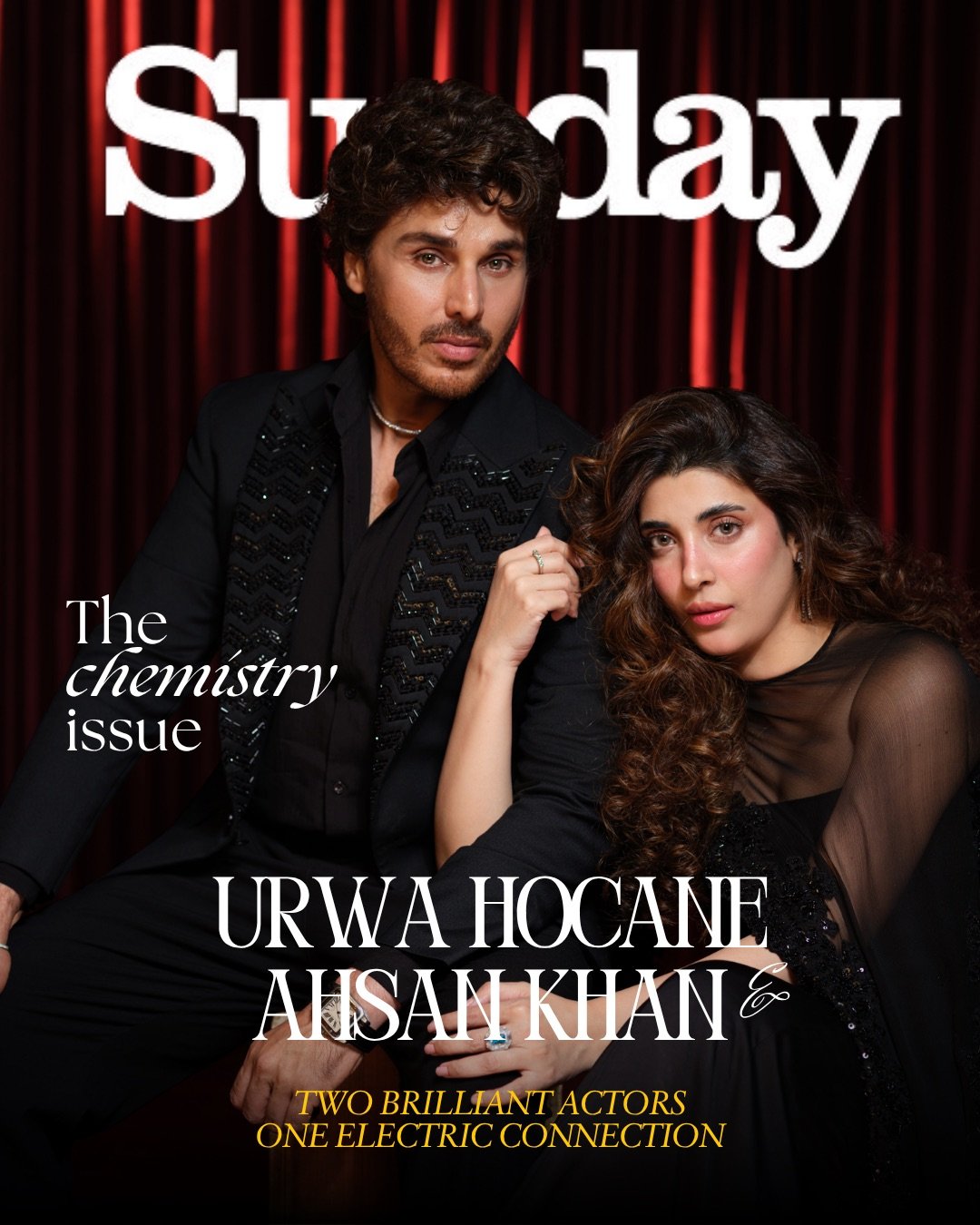
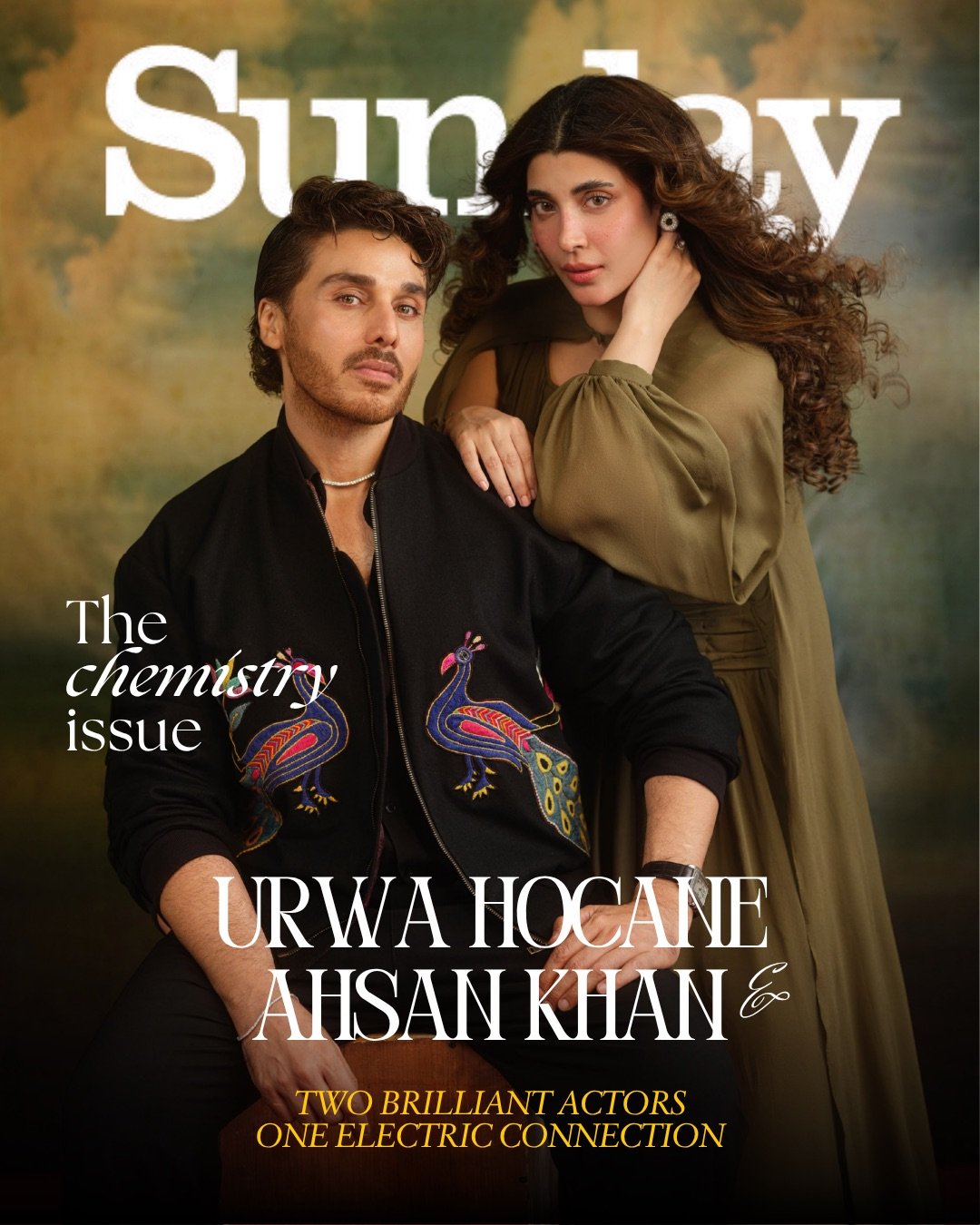
Urwa Hocane and Ahsan Khan Take Centre Stage:
Both Urwa Hocane and Ahsan Khan bring depth and emotional range to Aap Ki Izzat, where they portray Beena and Tabish. Their complicated relationship moves between affection, resentment and vulnerability, giving their scenes a layered intensity.
From emotionally charged confrontations to quiet, unspoken moments, their natural screen chemistry keeps the dynamic engaging and makes Urwa Hocane and Ahsan Khan in Aap Ki Izzat one of the drama’s most compelling elements.


Urwa Hocane’s Portrayal of Beena:
As Beena, Urwa Hocane brings a controlled emotional quality to the character. Beena carries the weight of hurt and disappointment, but there is also a sense of resilience in the character. Her vulnerability never completely defines her. Instead, it exists alongside her strength, creating a woman who can be emotionally affected by the people around her while still maintaining a sense of herself.
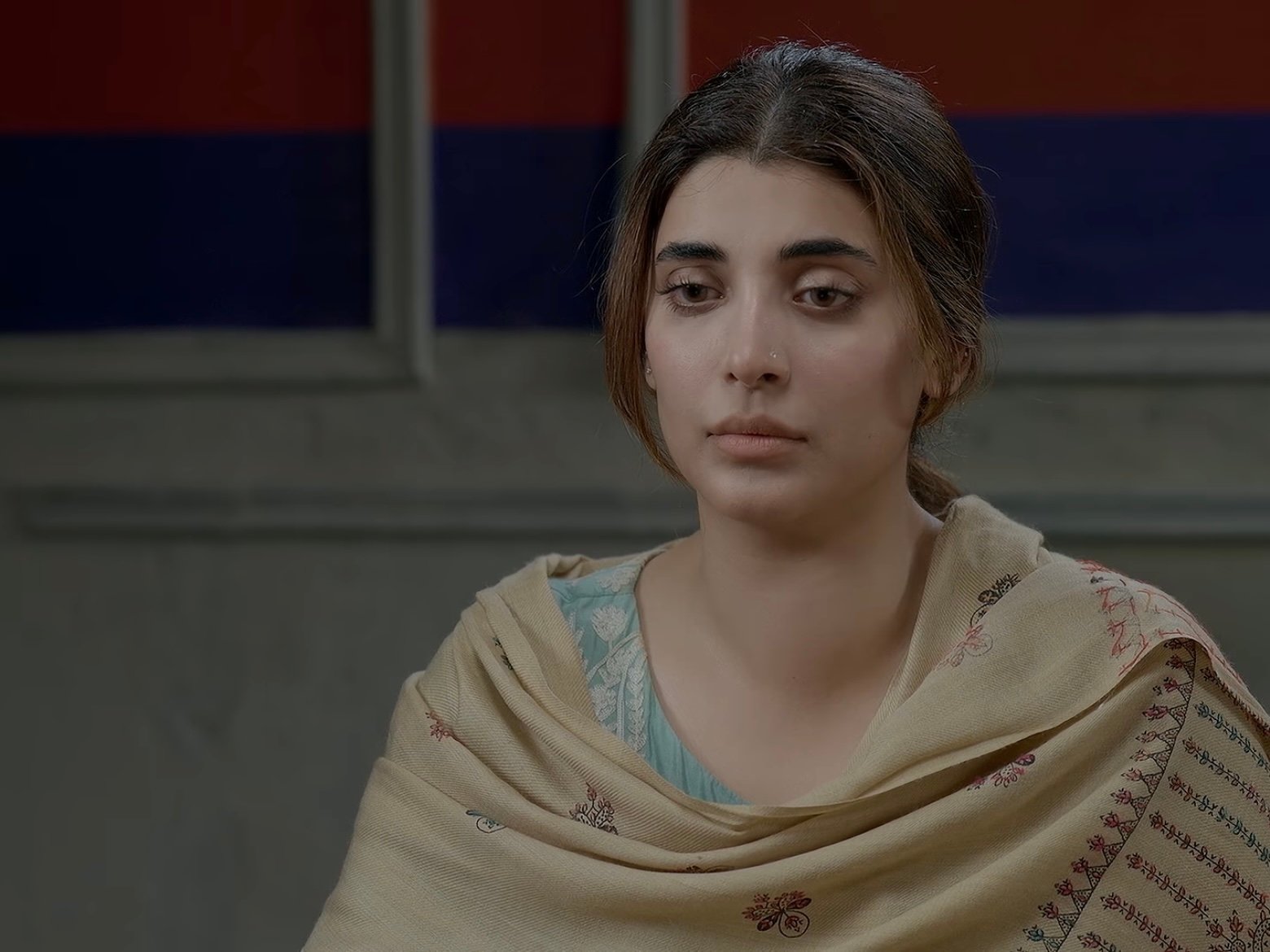
Urwa’s performance is particularly effective in scenes where Beena has to communicate conflicting emotions at once. A moment can begin with restraint and gradually reveal frustration, pain or disbelief. Those transitions allow the audience to understand what the character is feeling even when she does not openly express it.
Ahsan Khan’s Complex Tabish Character:
Ahsan Khan brings complexity to Tabish, balancing his flaws, defensiveness and moments of realisation. His performance allows the character to shift between confrontation and reflection, adding depth to his relationship with Beena.
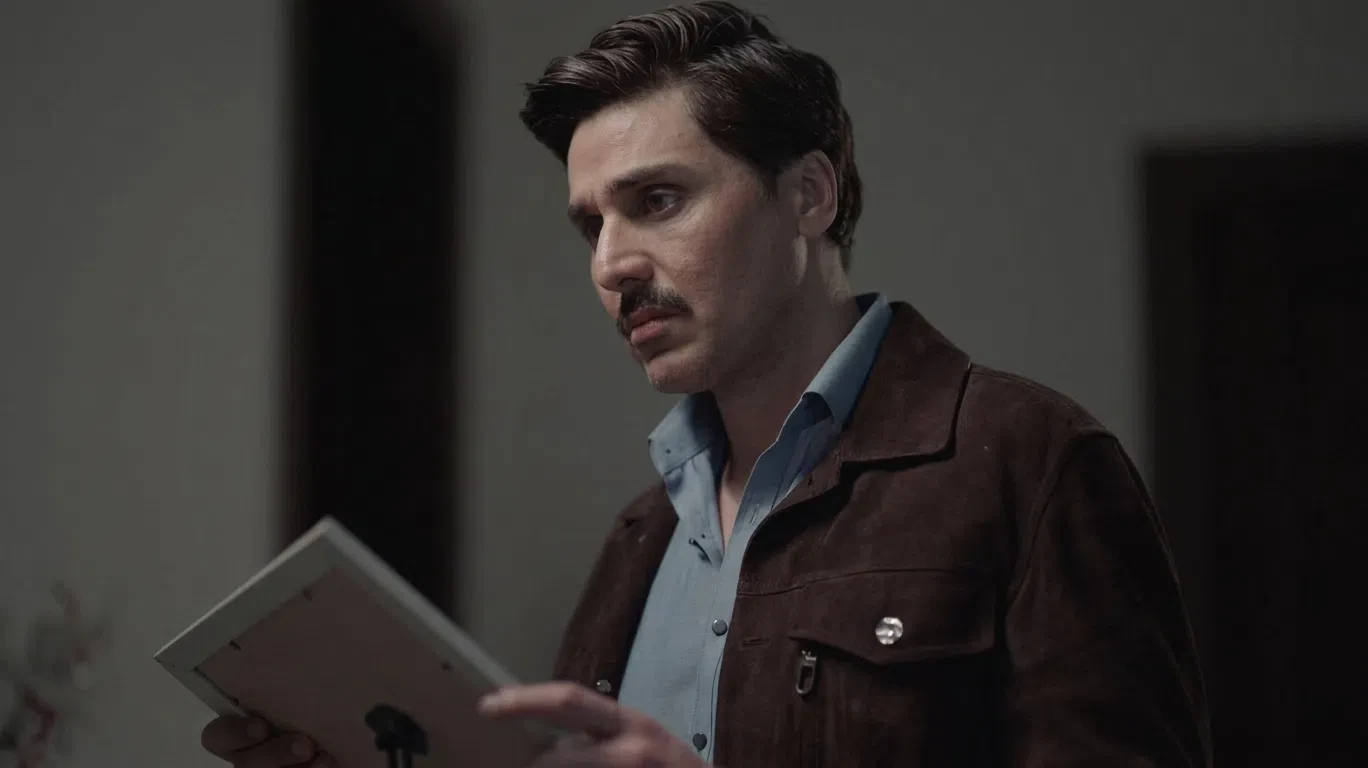
Ahsan also brings a quiet intensity to Tabish, allowing his expressions and reactions to communicate emotions that often remain unspoken. This subtle approach adds another layer to the character and keeps his interactions with Beena unpredictable.
The Chemistry That Makes the Difference:
What makes Urwa Hocane and Ahsan Khan’s on-screen chemistry stand out is its layered quality. Their dynamic does not depend on constant romantic gestures or dramatic declarations. Instead, it often exists in the smallest details. A pause before answering, a look that lasts a little longer than expected, a conversation where neither character says exactly what they mean, a confrontation where years of frustration appear to sit beneath every word. These moments give their scenes an emotional tension that keeps viewers invested in the relationship between Beena and Tabish.
In a drama built around complicated interpersonal emotions, chemistry becomes more than simply whether two performers look convincing together. It is about whether their characters appear to have a history, whether their reactions feel connected and whether the audience can sense what remains unsaid.

Why Their Dynamic Resonates:
The appeal of Urwa Hocane and Ahsan Khan in Aap Ki Izzat lies in the fact that their characters do not always make their emotions easy to read. Their interactions invite viewers to pay attention to what happens beneath the dialogue.
This makes their chemistry feel mature rather than manufactured. Their scenes are allowed to breathe, giving the actors space to communicate through expressions, body language and carefully controlled performances.

Sunday Times Cover: Chemistry “Aap Ki Izzat”
For Sunday Times’ latest digital cover, Urwa Hocane and Ahsan Khan step into the Chemistry, celebrating the connection between two accomplished performers and the characters they bring to life. Their portrayal of Beena and Tabish in Aap Ki Izzat highlights how subtle performances, emotional depth and natural screen chemistry can turn a complicated relationship into one of the drama’s most memorable elements.