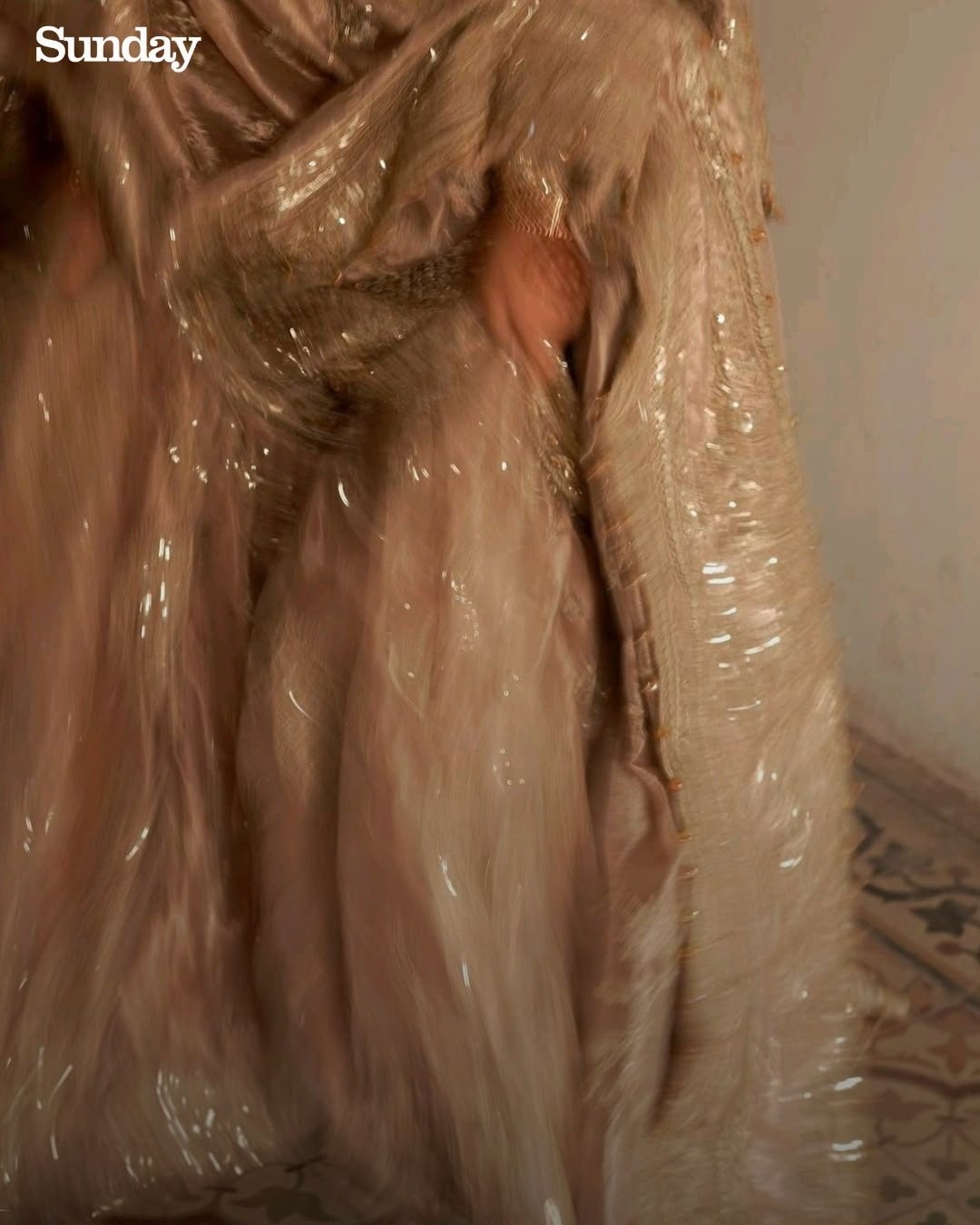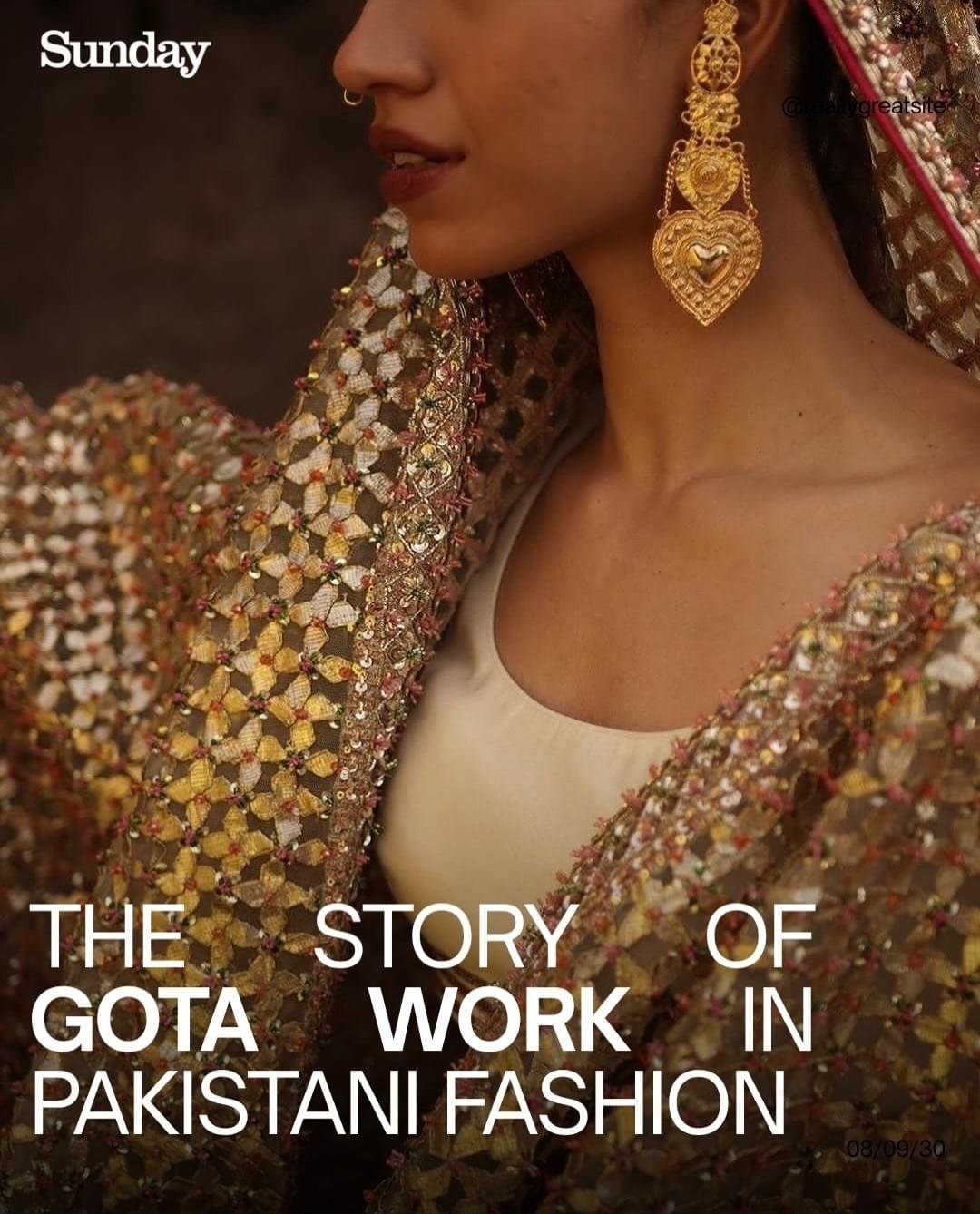

Gota work has long held a special place in South Asian fashion, especially within Pakistani festive and bridal wear. With its shimmering gold and silver detailing, this embroidery technique carries centuries of history while continuing to inspire designers today. Here’s a closer look at the story, craft, and evolution of gota work.
What Is Gota Work? Origins and Meaning
Gota work is a traditional embroidery technique that uses gold and silver ribbon, known as “gota,” stitched directly onto fabric to create raised, textured patterns. The craft originated in Rajasthan, India, and over time became deeply rooted in Pakistani festive wear, where it evolved into one of the most recognizable embellishment styles in the region’s clothing heritage.
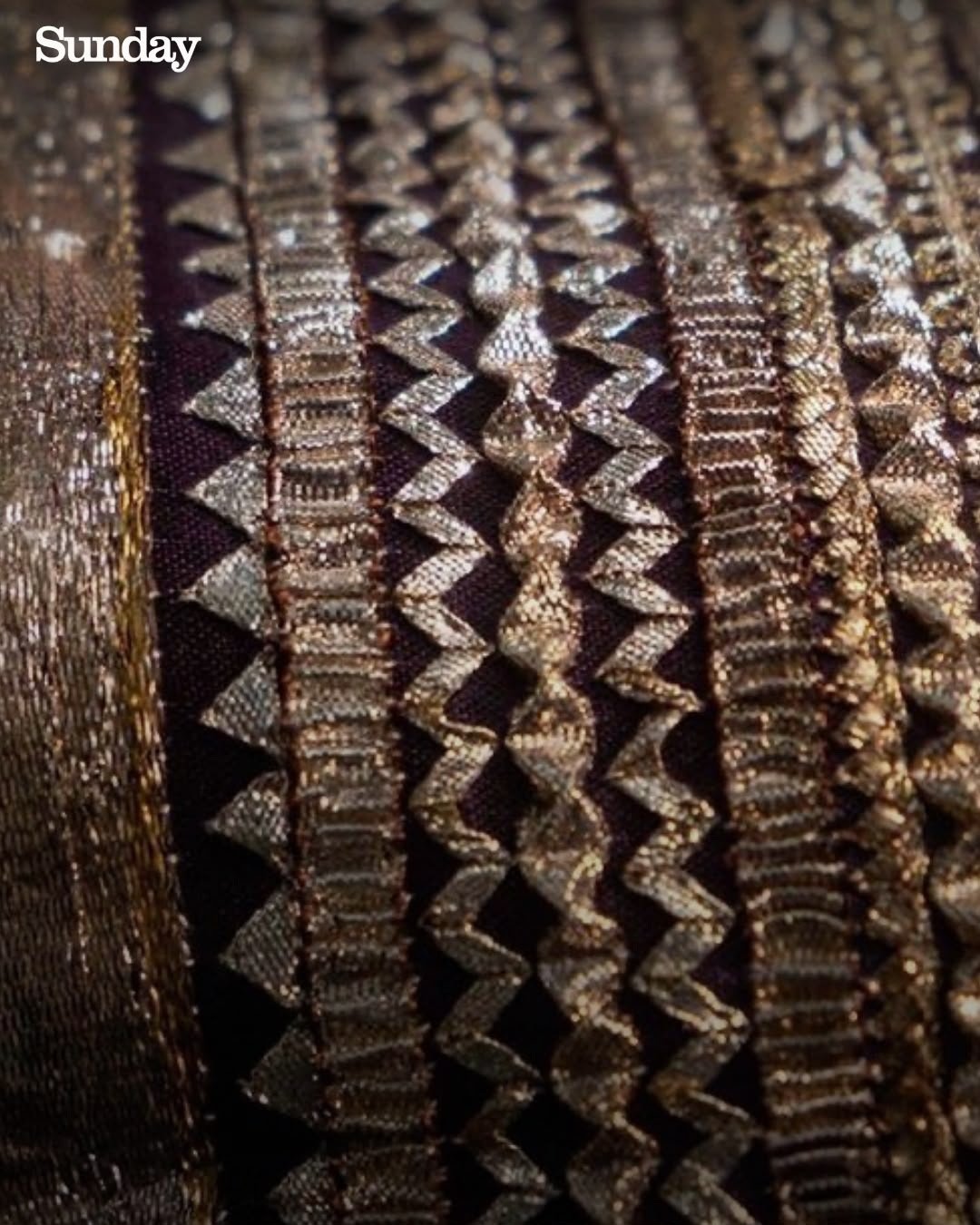
The Cultural Significance of Gota Work in Pakistan:
In Pakistan, gota work became especially popular for weddings, Eid outfits, and other cultural celebrations. Unlike heavy embroidery techniques that can weigh down fabric, gota work offered a way to achieve richness, joy, and ceremonial beauty while keeping outfits relatively light. This balance of grandeur and wearability is part of why it became such a staple in festive dressing.
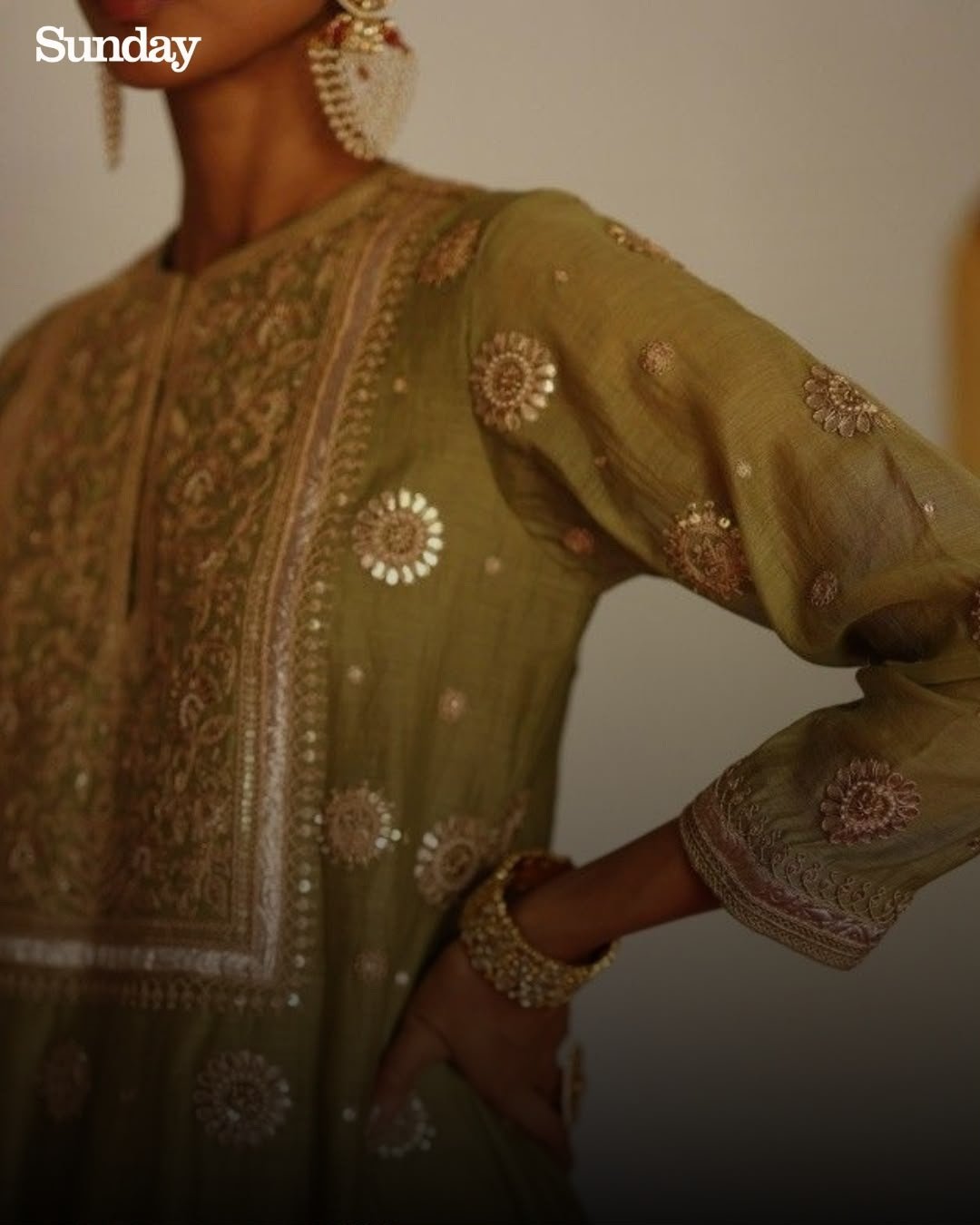
The Art and Technique Behind Gota Embroidery:
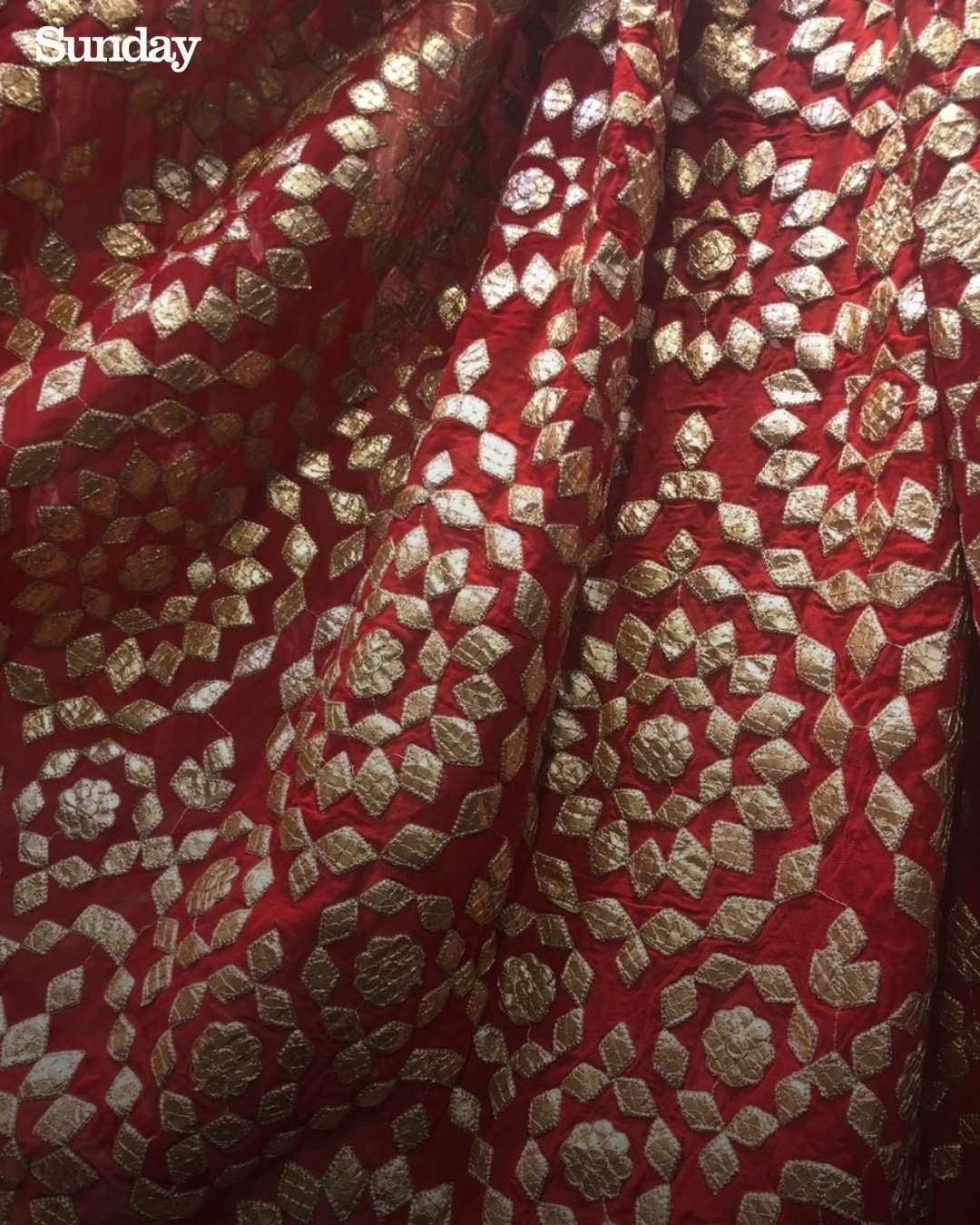
The beauty of gota work lies in its craftsmanship. The gota ribbon is cut into intricate shapes such as flowers, paisleys, and geometric patterns, then hand-stitched onto fabric using techniques like appliqué and layering. Each piece is assembled by hand, making every gota-embellished outfit a product of skilled, detailed artisanal work.
Gota Work in the 90s and Early 2000s: A Signature Festive Look
During the 90s and early 2000s, gota dupattas and lehengas became a signature festive look across Pakistan. Their lightweight, elegant feel made them a favorite choice for weddings, offering brides and guests alike a way to look festive and glamorous without the heaviness of traditional zardozi or dabka work.
Gota Work Today: Modern Reinterpretations
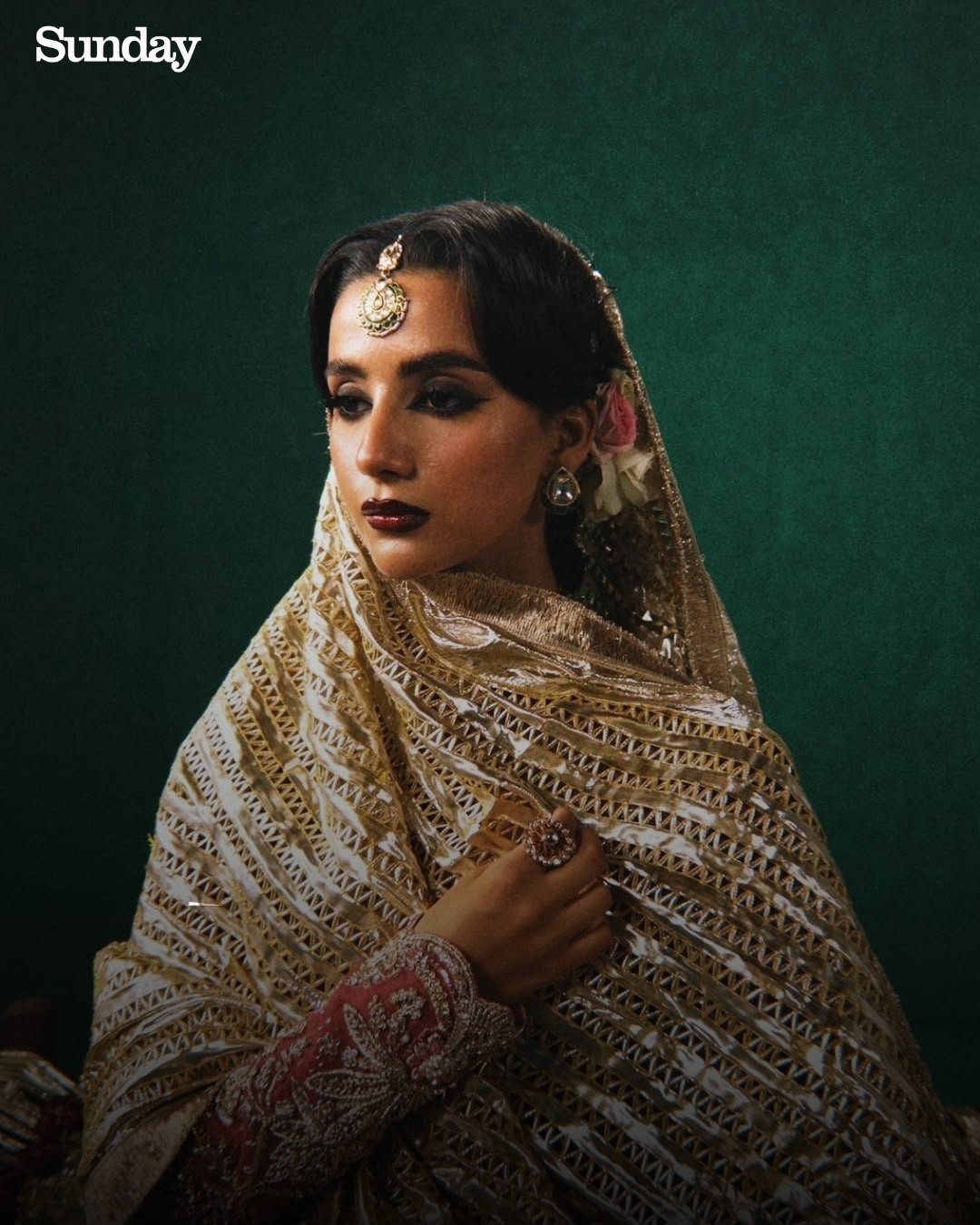
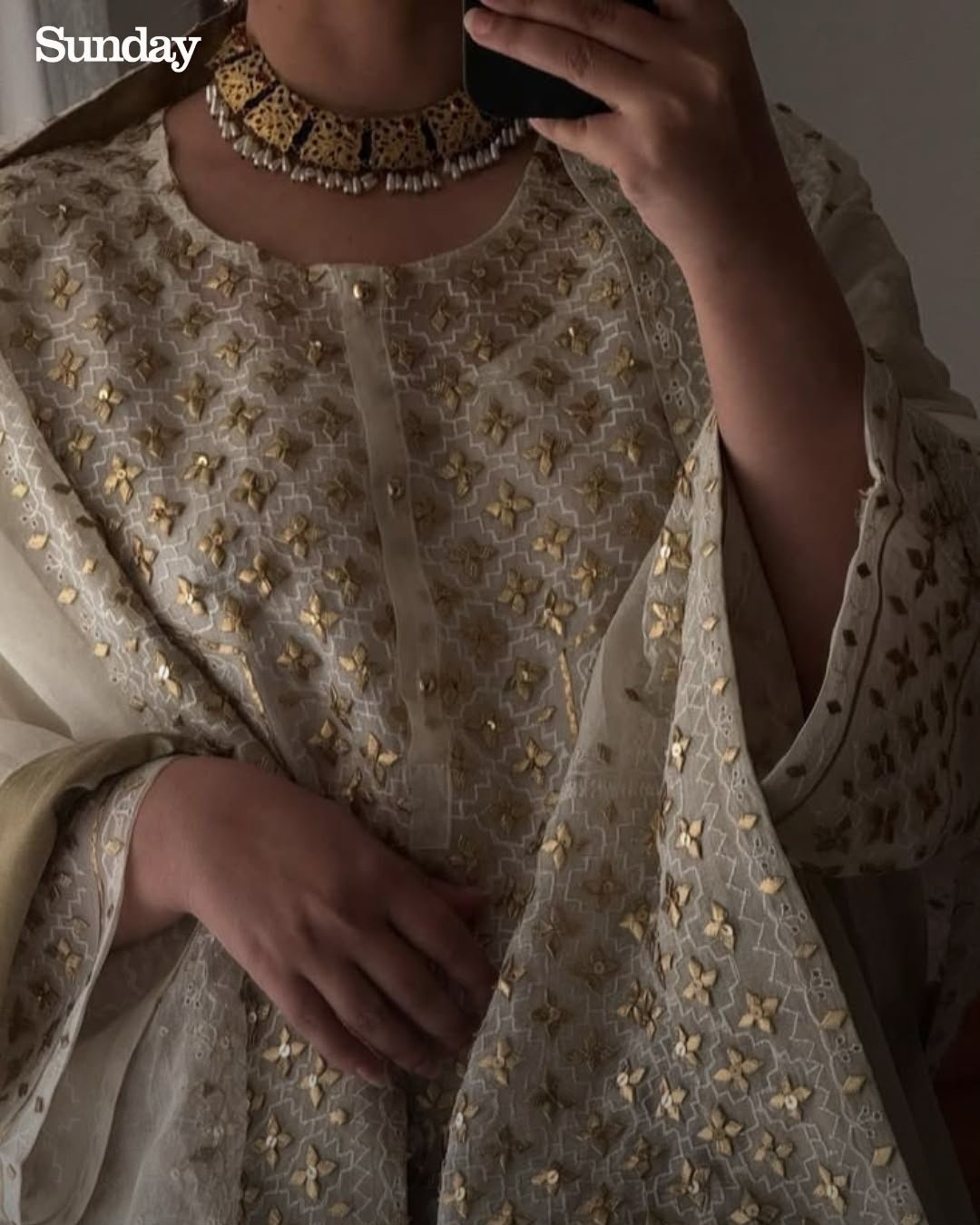
Today, designers are reimagining gota work for a new generation. It’s being incorporated into fusion outfits, minimal pastel ensembles, and luxury bridal couture, proving that the technique can feel both traditional and refreshed. This modern approach allows gota work to remain relevant, adapting to current fashion sensibilities while honoring its roots.

Gota Work — A Heritage That Still Shines:
At its core, gota work is more than just decoration it’s heritage that continues to shine in every celebration. From weddings to Eid to modern bridal couture, this embroidery technique remains a thread connecting Pakistan’s fashion present to its rich cultural past.