

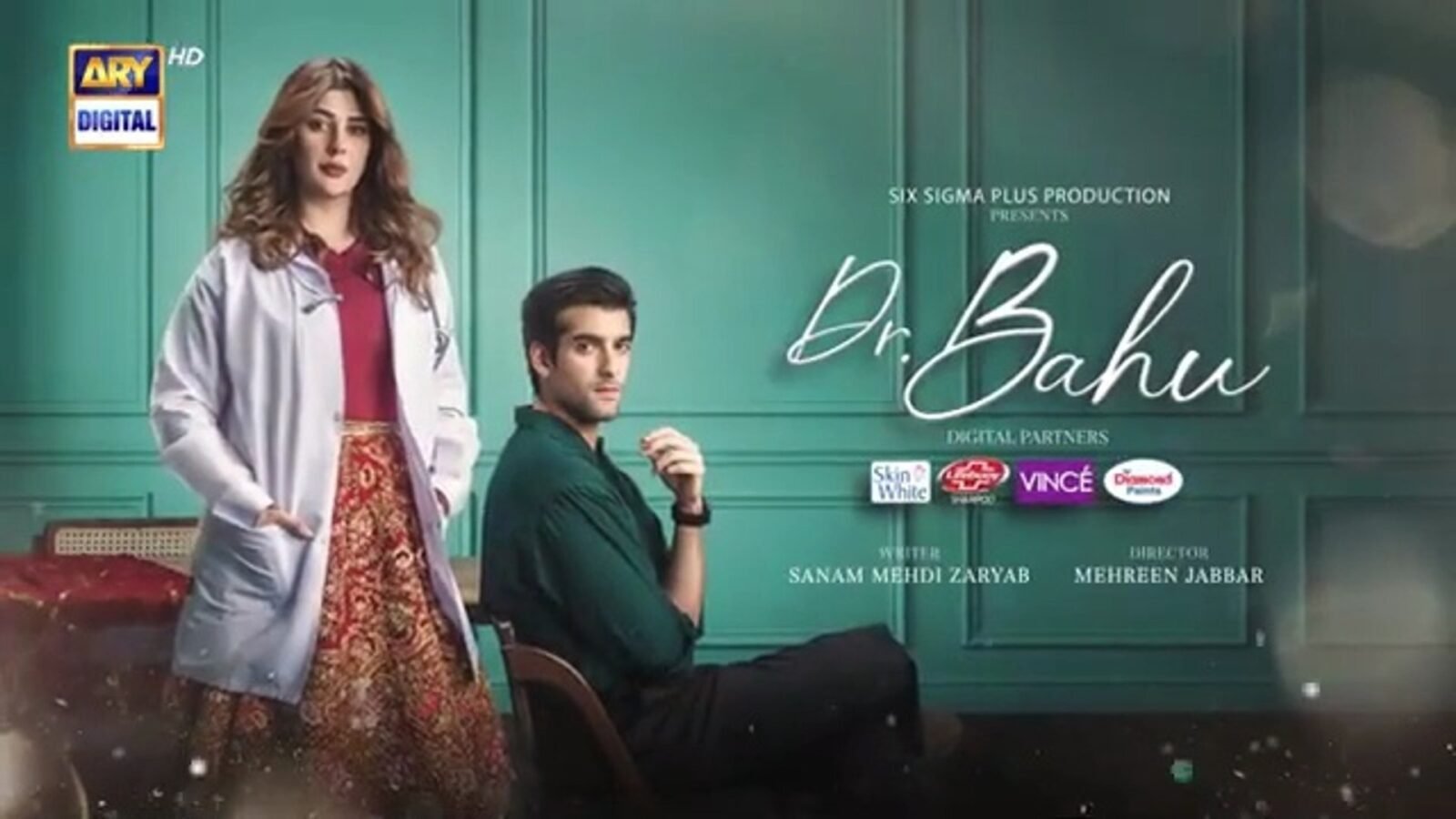

Pakistan’s television screens are no strangers to the bahu narrative. She has existed in a hundred dramas before this one obedient, tearful, beautifully wronged. But Dr. Bahu, the ARY Digital drama currently dominating primetime conversations and social media timelines alike, does something far more unsettling with the trope: it puts a stethoscope around her neck, a FCPS form in her hand, and then watches what happens when a household decides that none of that actually matters.
Dr. Bahu Story: A House Full of Doctors Where Women Still Can’t Practice
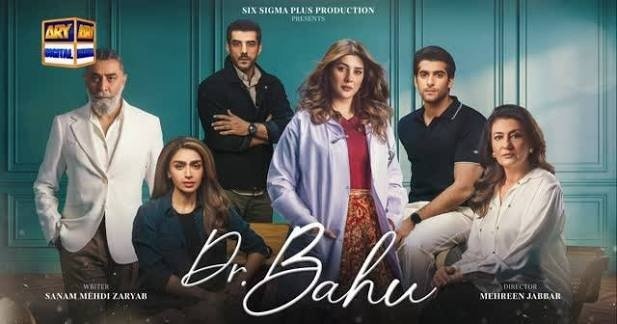
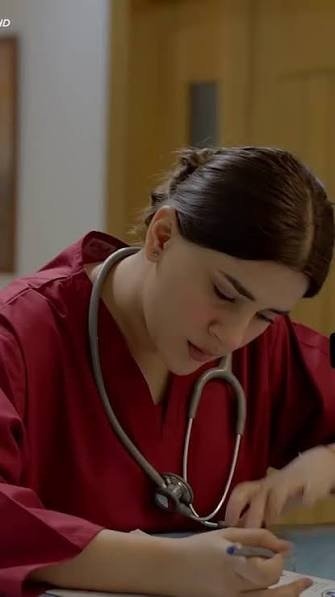
The premise is layered with a particular kind of irony that only exists in real life. Sania played by (Kubra Khan) is an ambitious doctor from a middle-class family, actively preparing for her FCPS while practising at a hospital. Her father Riaz (Muhammad Ahmed) has sacrificed at every step to see her reach where she is. Her mother Zainab (Marina Khan), however, is locked in the more familiar anxiety: the marriage clock, ticking louder than any professional milestone her daughter achieves. When Sania’s ailing aunt fast-tracks a proposal, she finds herself marrying Salman (Shuja Asad) and entering a family that, on paper, should be the most progressive household imaginable. Salman’s father, Dr. Shahnawaz (Shahzad Nawaz), is a prominent oncologist running his own hospital. His elder brother, Dr. Faizan (Adeel Hussain), holds a key position in that same institution. His mother, Dr. Farheen (Saba Hameed), runs a skin clinic. These are not uneducated people. These are not villagers with no exposure to the world. And yet, the women in this household are systematically kept off the main hospital floor. They are steered toward lesser-stakes clinics, redirected to domestic responsibilities, and quietly reminded in the way that only educated patriarchy knows how that their qualifications are decorations, not careers. Sania walks into this world as the new bahu, carrying her ambitions alongside her luggage. The central question the drama refuses to let go of is deceptively simple: will she be any different?
Saeeda Phupo: The Character Who Set Everything in Motion
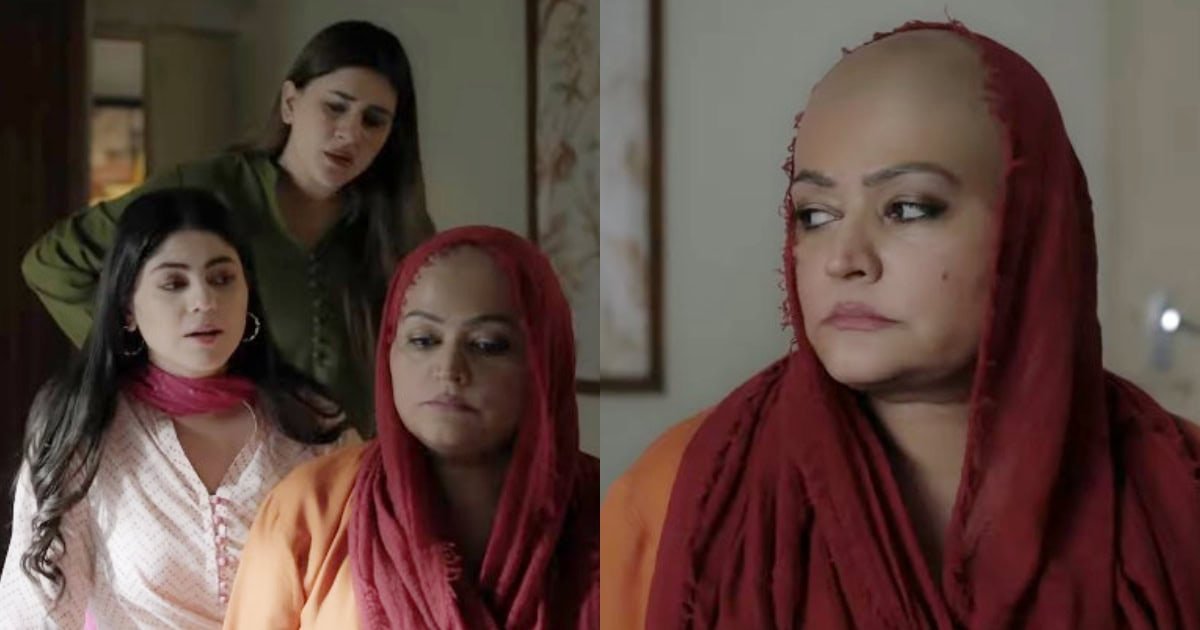
Before Sania ever steps into that household, there is one character the drama uses as a hinge Saeeda, Sania’s phupo, played by Bakhtawar Mazhar. Saeeda lives in the United States and returns to Pakistan battling ovarian cancer, needing treatment close to family. It is she who, in her characteristic no-filter manner, spots the proposal from Salman’s family and fast-tracks it, and Sania finds herself married before she has fully processed what she has stepped into.
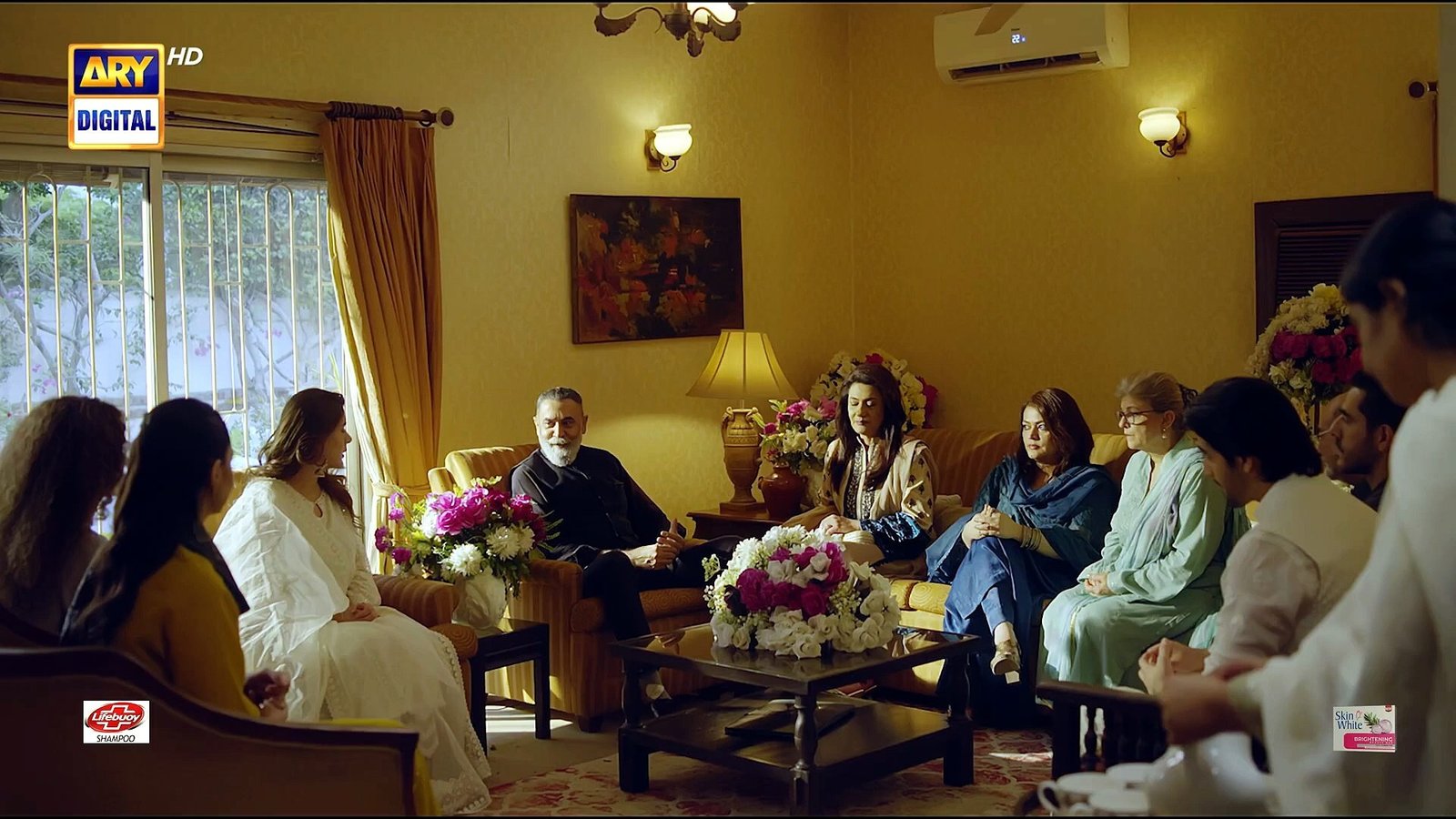
What makes Saeeda such a beloved character is that she is not a meddling aunty in the conventional sense. She is sharp, unafraid to call people out. What makes her unforgettable is the subtext she carries: even the person who set Sania’s life on this course did so out of love, not malice. The road to a woman’s diminishment is almost always paved with good intentions.
The Harsh Reality This Drama Is Exposing About Pakistani Women:
Dr. Bahu is not interested in melodrama. It is interested in the specific mechanics of how educated, privileged households strangle women’s professional lives not with violence or overt cruelty, but with expectations, “family norms,” and the suffocating weight of “log kya kahenge.” The drama illustrates a reality that Pakistani data quietly confirms. Women make up a significant proportion of medical graduates in the country studies estimate that over 70% of MBBS graduates in some Pakistani institutions are women yet the workforce participation of female doctors collapses dramatically after marriage.
The reasons are rarely dramatic. Nobody burns their degree certificates. What happens instead is slower, quieter, and far more effective: a mother-in-law who needs help at home, a husband who doesn’t protest, a father-in-law who decides clinic hours interfere with household schedules. It accumulates, inch by inch, until the woman who once aspired to surgery is negotiating permission for a conference call. Dr. Bahu dramatises this accumulation without exaggerating it. Every situation feels straight out of real life. Nothing is over the top. As one review pointedly observed, the drama captures a new and evolved version of an old problem: educated girls are now being sought as trophy daughters-in-law you bring home an accomplished bahu, but then either do not let her work, limit her capabilities, or define her worth entirely on your own terms.
Hajra Yamin as Dr. Minha: The Most Devastating Performance in the Drama
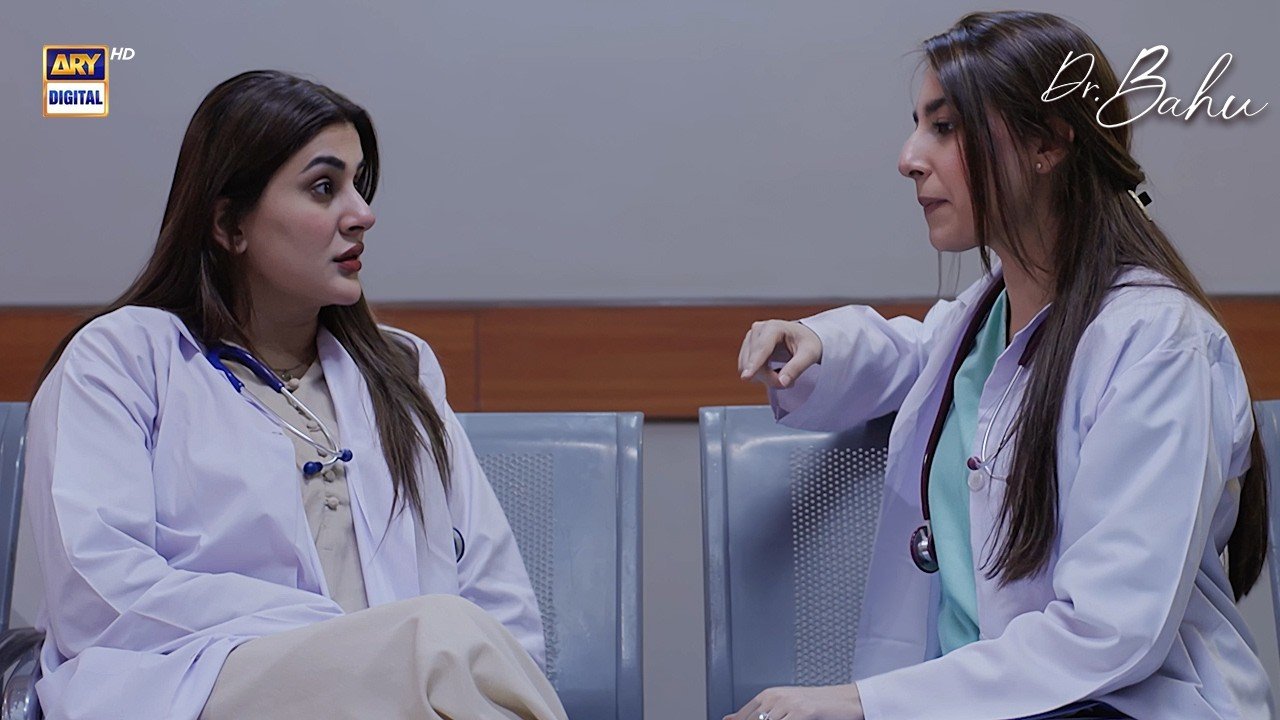
While Kubra Khan’s Sania is the dramatic centre of Dr. Bahu, the character that arguably carries the sharpest message about inherited oppression is Dr. Minha played by Hajra Yamin. Minha is Faizan’s wife and, importantly, a qualified gynaecologist. She is, in every professional sense, as accomplished as Sania. And she has been in this household long enough to understand its unwritten rules. Where Sania arrives with her ambitions intact and her resistance fresh, Minha has already been worn down. She has absorbed the household’s logic, adapted to its expectations, and settled into the role the family constructed for her one that keeps her qualifications largely decorative, relegating her to Dr. Farheen’s skin clinic instead of the main hospital she trained for.
From the very beginning, reviewers noted that Faizan is controlling and derogatory with Minha, raising a question the drama returns to repeatedly: should women stay in marriages like hers? But it is Episode 21 that broke the audience open entirely. In a scene that has dominated social media for days, Minha goes to visit Amber played by Mira Sethi and learns a truth that dismantles whatever quiet peace she had made with her life. Amber reveals not only that Faizan has secretly married her, but that she is also pregnant with his child. The revelation is devastating not because it is surprising Faizan’s character has been laying groundwork for this betrayal in plain sight but because of what Hajra Yamin does with the moment. The helplessness, the jitters, the way her eyes look upward toward Allah every micro-expression in that scene has been dissected and praised across every platform. She moves from grief to anger to a kind of hollow shock, cycling through states of emotion that feel entirely unperformed.
View this post on Instagram
The Salman Problem: A Husband Who Loves But Takes Too Long to Act
Shuja Asad’s Salman is perhaps Dr. Bahu’s most nuanced and human character. The family’s so-called black sheep the one son who never became a doctor and instead runs a car showroom he has spent his life being dismissed by his father and understands marginalisation better than anyone else in the household. This should make him Sania’s strongest ally. Yet when the family begins closing in around her career and independence, Salman’s love does not immediately translate into action. He cares deeply for his wife, but he remains silent when his voice is needed most. His failures are not dramatic acts of cruelty but rather a series of small surrenders: conversations left unfinished, objections never raised, and moments where he chooses peace over confrontation.
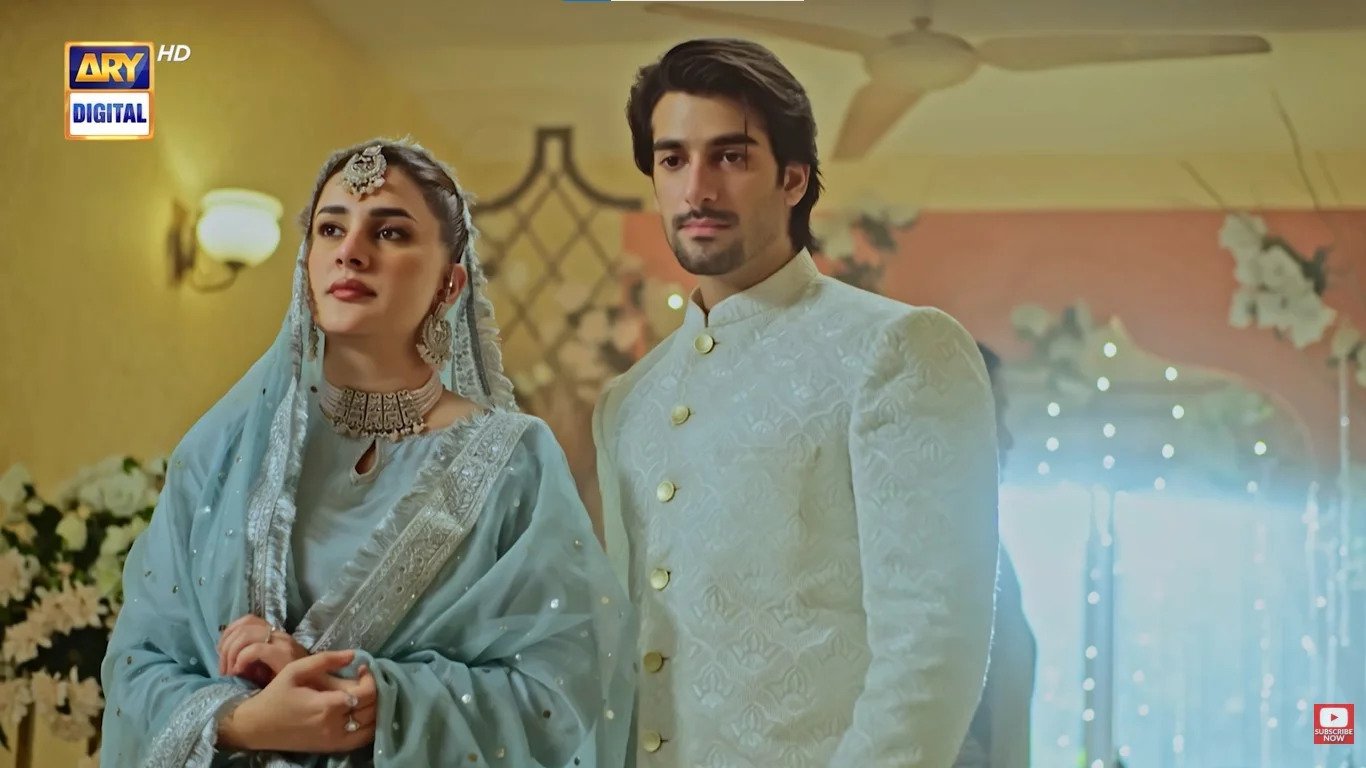
However, the drama does not leave him trapped in this weakness. When his own corruption is exposed and he loses whatever standing he once had within the family, something shifts. Stripped of the need to seek approval, Salman finally stands openly beside Sania and asks her to leave the toxic environment with him. It is not a grand heroic transformation but a long-overdue act of courage, which makes it feel all the more authentic. Ultimately, Salman is neither a villain nor a flawless hero. He is a fundamentally positive character whose greatest flaw is hesitation a man who loves sincerely but takes far too long to act on that love. Through him, Dr. Bahu offers one of its most honest observations about Pakistani men raised in patriarchal households: good intentions matter, but true support requires the courage to challenge the very systems that shaped them.
The Parents: Two Households, Two Different Worlds
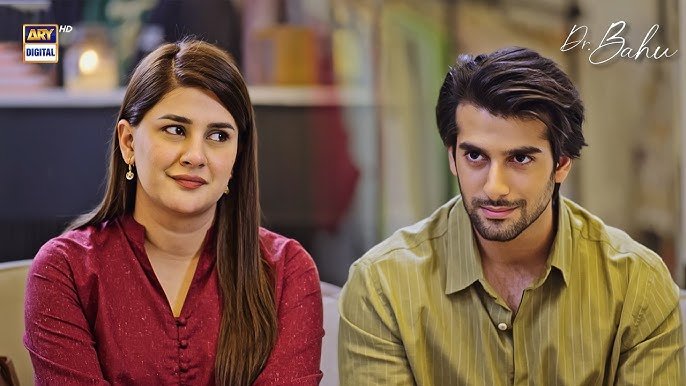
The contrast between Sania’s parents and her in-laws is where the drama’s social commentary cuts deepest. Sania’s father Riaz, played by Muhammad Ahmed with characteristic warmth, is the kind of Pakistani father that exists in reality but rarely on television a man who genuinely, uncomplicatedly wants his daughter to achieve. He is not performing support. He has built his life around it.

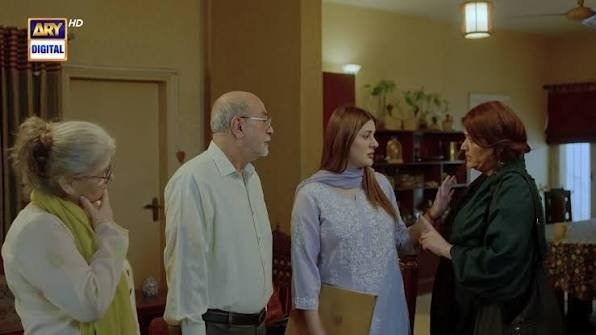
Her mother Zainab (Marina Khan) is more complex and more honest. She loves Sania ferociously, but the anxiety about marriage has colonised her worldview. She is a mother who absorbed a lifetime of social messaging about what a woman’s ultimate purpose is, and she cannot fully shake it, even for a daughter she adores.
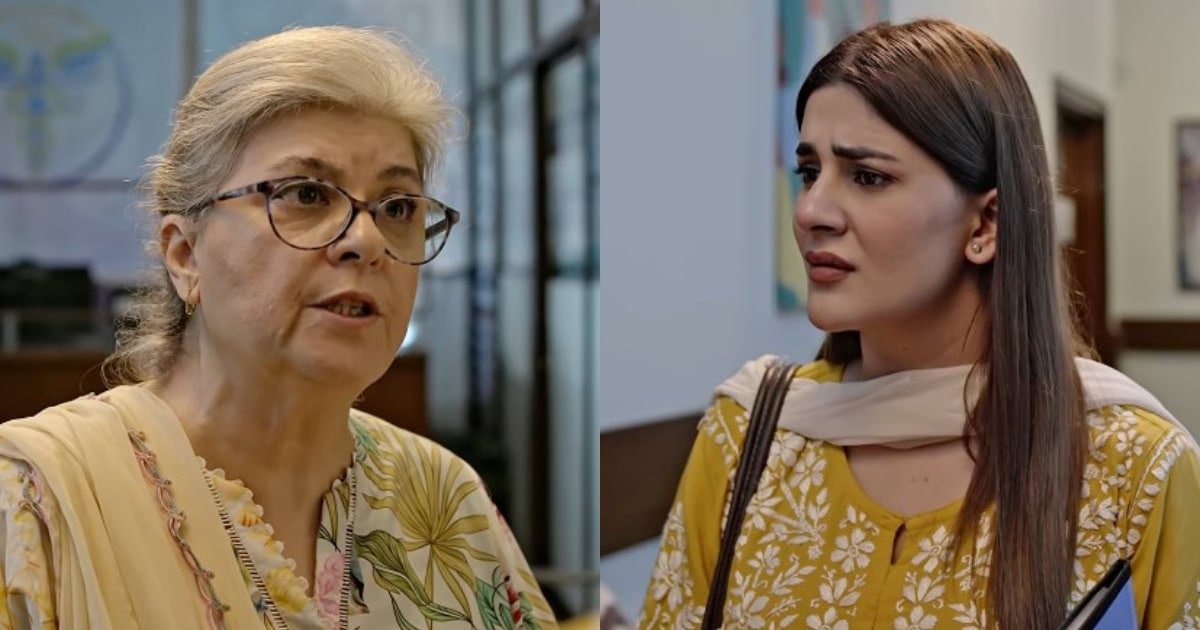
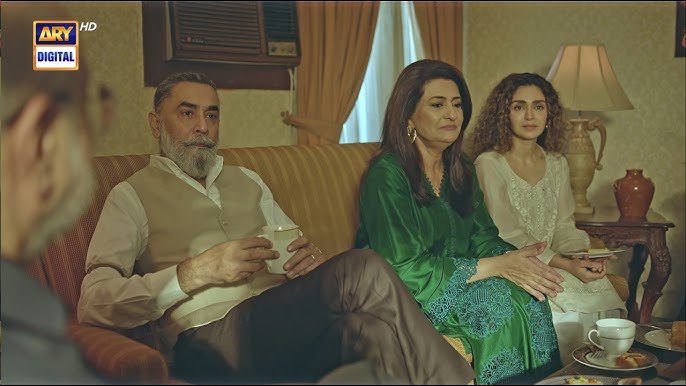
On the other side, Saba Hameed’s Dr. Farheen Salman’s mother is the architecture of the problem. As a doctor herself who has nonetheless accepted being sidelined from the main hospital, she embodies the tragedy of internalised limitation. She is not cruel. She has simply decided that this is how things are, and she administers that decision to the household with the quiet authority of someone who has never questioned it.
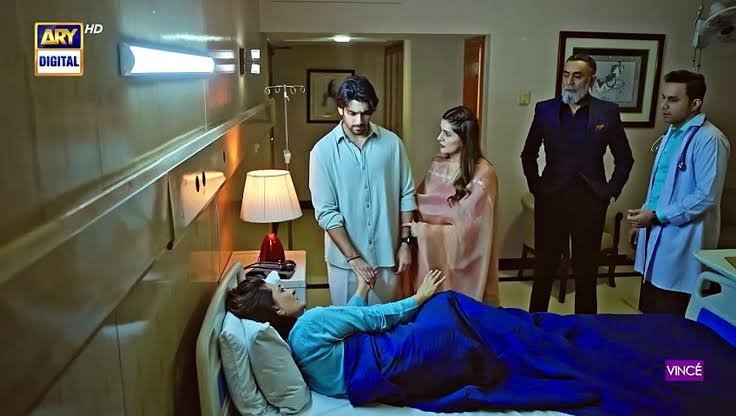
Why Pakistan Cannot Stop Watching Dr. Bahu in 2026?
Dr. Bahu is trending not because it is escapism. It is trending because it is the opposite of escapism. It is the conversation Pakistani families are having at the dinner table, finally playing out on screen with proper words, specific confrontations, and no easy resolution. The drama does not offer the audience a clean redemption arc. There is no episode where Shahnawaz has a sudden awakening and apologises for decades of domestic control. Progress, when it comes, is fractional and contested.
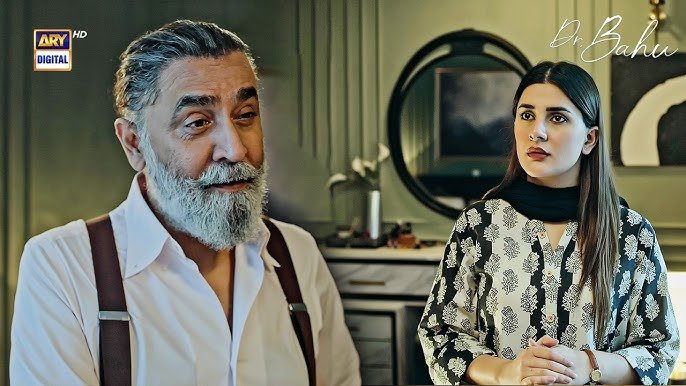
It requires Sania to fight for the same ground repeatedly, against people who are not even aware they are fighting her. Hajra Yamin herself, speaking about the drama, made a point that has resonated widely: women must shape the stories being told about them, not simply star in them. Dr. Bahu is one of the rare instances where that principle has been applied both in front of and behind the screen in a script that does not sentimentalise its subject, and in performances that refuse to make oppression look poetic.
