
Ever since Punjabi music has become a global phenomenon, it has thrived on sexism, objectification of the female body, and, most importantly, relentless profiling of women as gold-diggers. The debates around these themes have intensified over time, yet have remained incapable of striking the right chord. Popular singers like Diljit Dosanjh, Baadshah, Harrdy Sandhu, and Jass Manak have repeatedly faced backlash for lyrics rooted in overt sexism, exposing how deeply normalized these narratives remain.
How Certain Narratives Became Widely Accepted?
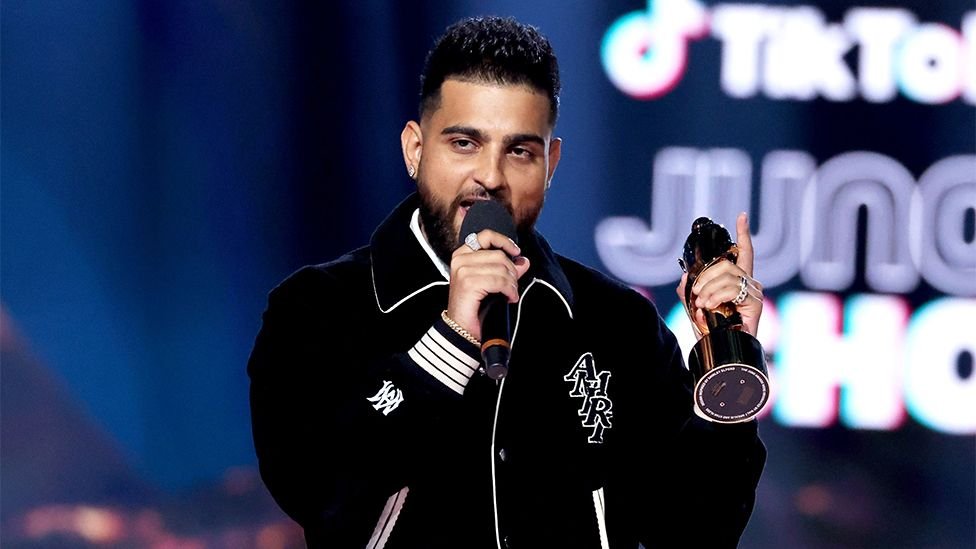
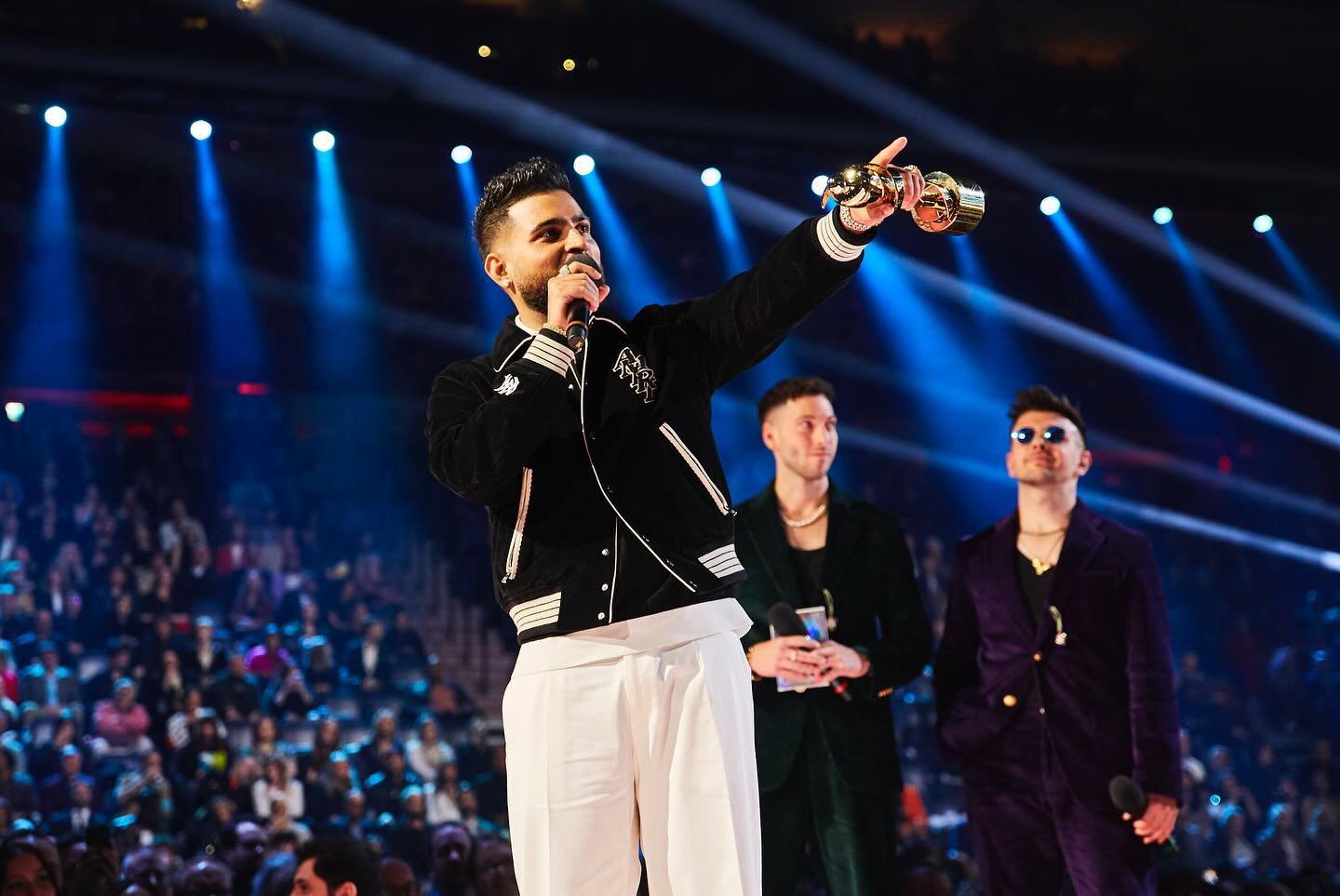
Actually, Karan Aujla has just fixed what Punjabi music got wrong for decades because his latest work feels less like a coincidence and more like a rupture. His album P-Pop Culture quietly but firmly introduces a different set of standards, particularly for men, by shifting the focus away from patriarchal dominance, materialism, and entitlement, and toward emotional responsibility, maturity, and respect. This shift is crucial to understand early on, because it frames why this album matters beyond musical trends.
How P-Pop Culture Introduces a Different Perspective?
Punjabi music has long relied on thematic arbitrariness, but a broader analysis reveals consistent patriarchal undertones beneath that surface. Occasionally, a singer may release one or two tracks that avoid these problematic themes, but that does not absolve them from being the catalysts that enabled such narratives in the first place. What makes Aujla’s recent work stand out is not accidental restraint but gentle undoing of the Playboy narrative that reduces women to objects, shifting the focus to what actually sustains a relationship: maturity, respect, deep commitment, and loyalty.
For years, Punjabi songs have relied heavily on the stereotype of “gold-digging woman,” with almost no attention given to what moral responsibilities or emotional qualities a man should bring to the table. In this context, the rise of AP Dhillon’s music over the past four years felt like a breath of fresh air in an otherwise suffocating lyrical environment. Arguably, his music, devoid of insufferable brand endorsements and material obsession, subtly dismantled the idea of women as inherently materialistic. In doing so, Dhillon exposed the hypocrisy of a mainstream industry that often trivialized female oppression in South Asian societies to chase numbers and virality.
This impact did leave some cracks, which are now being expanded into the structure by Karan Aujla. It is to be kept in mind with great caution that Aujla has been no different than the average Punjabi music makers. However, this clear deviation from stereotypical lyricism, whether entirely intentional or instinctive, hints at a brewing change worth paying attention to.
View this post on Instagram
Writing With Emotional Sensitivity in Modern Punjabi Music:
This is a new dawn, and it’s brought by none other than the maestro lyricist-turned-singer, Karan Aujla. His latest album, P-Pop Culture, is making waves for all the right reasons. Firstly, it doesn’t capitalize on female vulnerabilities, which is essentially rooted in their insufficient economic independence. Secondly, it has managed to crack the code on “how to make men listen and provide what women want”. Lastly and most significantly, Aujla has channeled his inner Shiv Kumar, something rare in Punjabi music: his ability to write from a woman’s perspective and execute it with sincerity, respect, and emotional depth. And whether we expected it or not, Aujla has stepped into a role modern society desperately needed, setting healthy standards for what a boyfriend/partner should be like.
Boyfriend Song Meaning: Redefining Relationship Values
The song Boyfriend unapologetically celebrates qualities women find trustworthy, and notably, none of them revolve around his money. Instead, the ideal green-flag partner is attentive, loyal, emotionally available, and deeply committed. In For a Reason and Boyfriend, Aujla carefully sketches this emotional blueprint. Writing from her point of view, he notes, “I’ve thrown all my tantrums and finally gave in, He carried them all,” affirming emotional labor rather than dismissing it. When he writes, “He says your mom and dad raised you well,” he compliments her character while deliberately separating it from physical beauty, something Punjabi music rarely, if ever, emphasized before.
P-Pop Culture Album Analysis: A Meaningful Step Forward
What makes this transformation even more interesting is Aujla’s consistent avoidance of the usual materialistic tropes as well as the sexist objectification. None of these recent lyrics implies that women approach relationships with ulterior motives. Instead, his work highlights emotional reciprocity, mutual respect, and healthy attachment. In an industry where misogynistic lyricism has long been a foundation of mainstream success, this feels like a genuine breakthrough.

Final Thoughts: Why P-Pop Culture Resonates Today
The optimism here is cautious, especially given Aujla’s past associations with similar narratives, but it still comes with a ray of hope. The Punjabi music scene has always been reluctant, even fearful, of shifting away from negative portrayals of women. Songs like Nah Goriye by Harrdy Sandhu or several works by Jaani exemplify how misogyny has historically guaranteed engagement. But with P-Pop Culture, Aujla pushes those boundaries with confidence. It may not be enough to transform the industry instantly, but it marks a bold and necessary step toward a more balanced and respectful redefining of Punjabi lyricism.
Article By: Maryam Shakeel
Maryam Shakeel is a writer known for her incisive observations. Engaged with global pop culture, she examines music, media, and celebrity narratives as social texts, tracing their political subtexts, cultural tensions, and the formation of public mythologies.